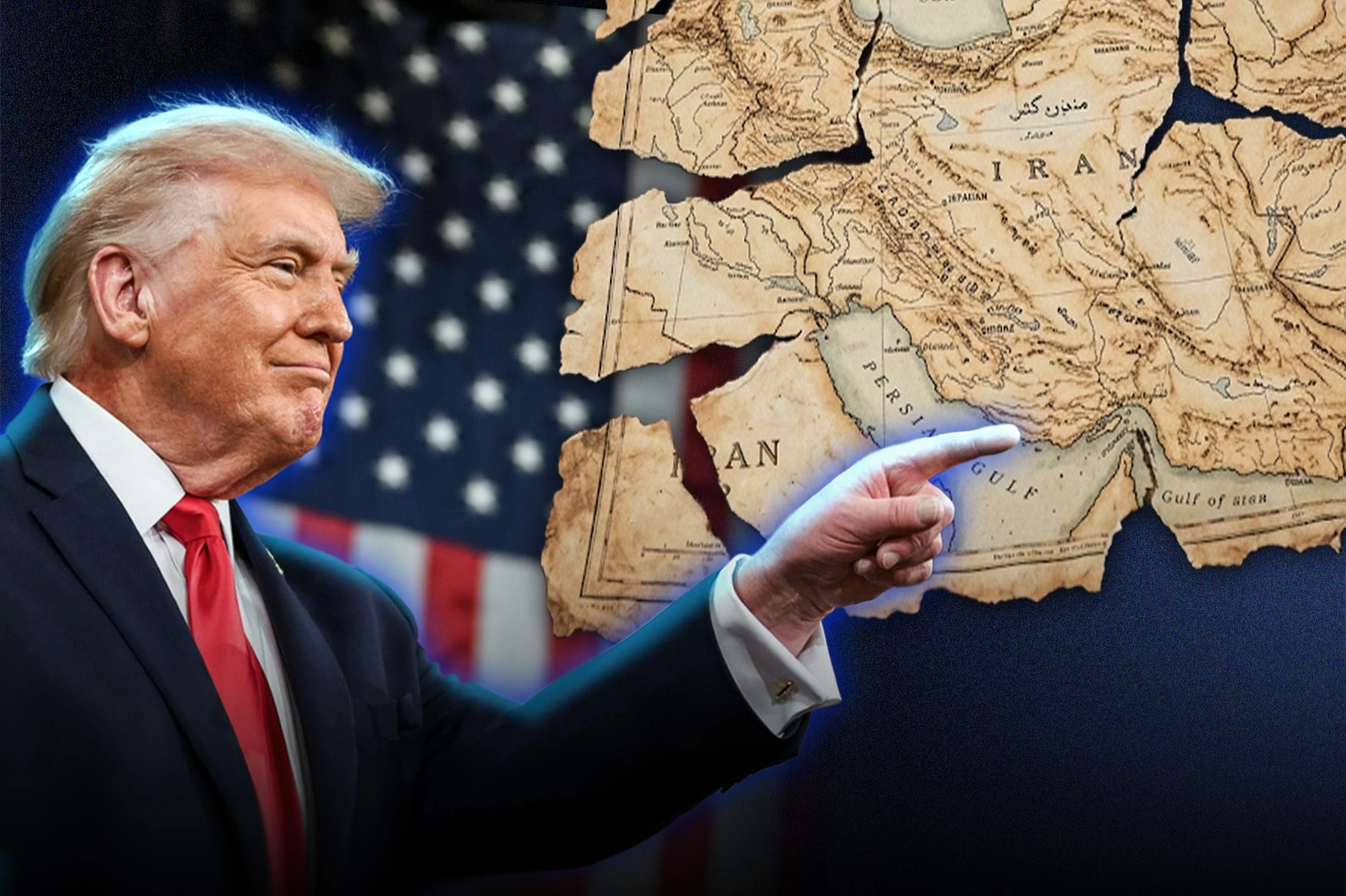
The President of the United States, Donald Trump, tightened his position against Iran in the context of the growing escalation of the conflict in the Middle East, suggesting not only the possibility of “ending” the Iranian regime, but also a potential political and territorial redesign of the country after the war.
The joint offensive launched by the United States and Israel at the end of February has significantly impacted Iranian military capabilities, affecting key infrastructures and weakening its strategic power. According to sources close to the administration, these advances have opened up the debate about the future of Iran once the hostilities have ended
.
In this context, the idea of a territorial and administrative reorganization of the country is beginning to gain strength within some political and strategic circles in Washington, which could involve a division of Iran into different zones under international supervision or regional allies. This approach would seek to avoid the re-configuration of a strong central power that could pose a threat again
. The Trump administration has proposed dividing Iran into zones that are administered by regional allies.
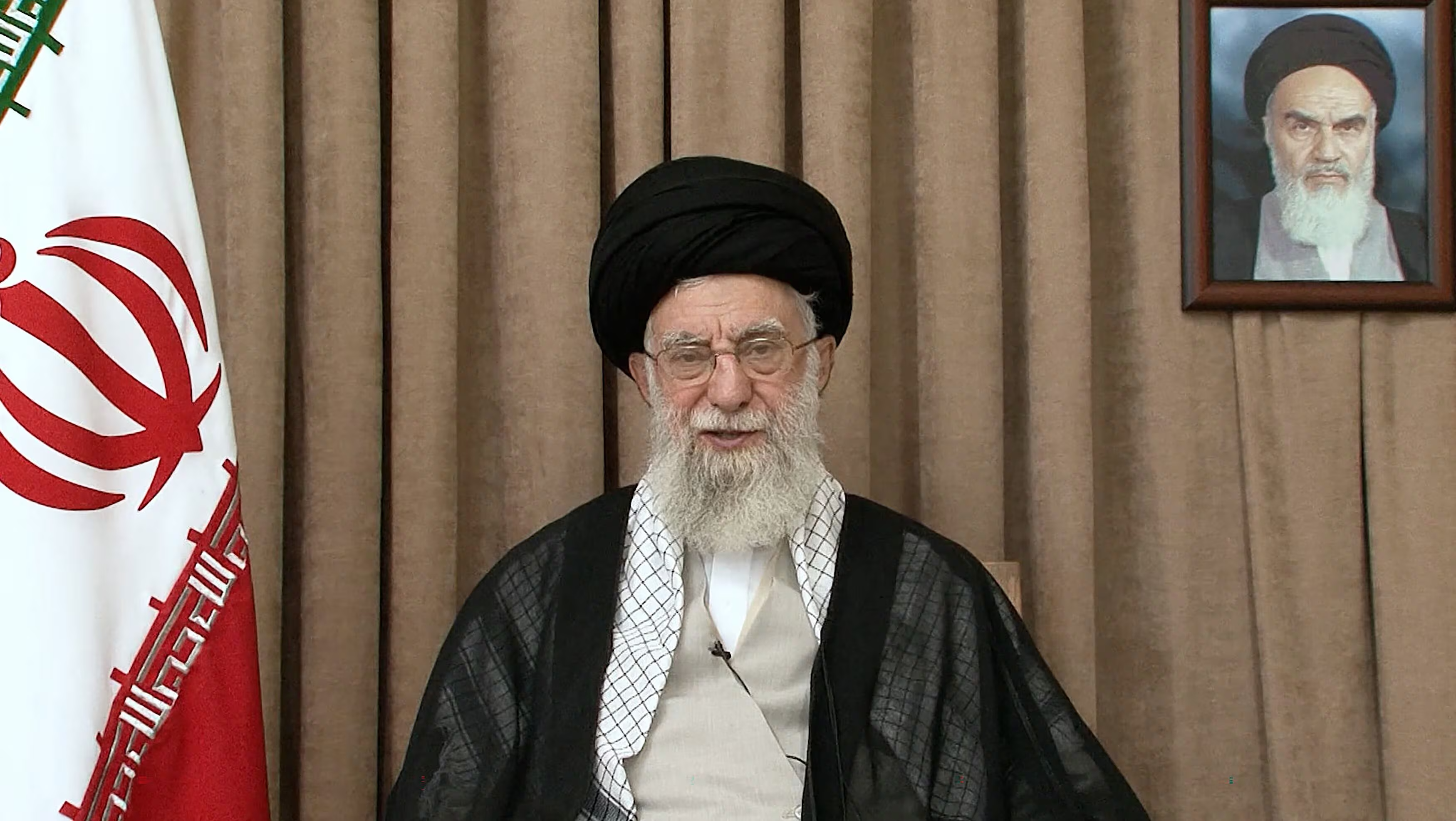
The conflict has intensified after the removal of the supreme terrorist leader, Ali Khamenei, creating a power vacuum and deepening internal uncertainty. Analysts point out that this situation could facilitate scenarios of political fragmentation, especially if external pressures and internal tensions continue
.
Meanwhile, Iran has responded with cowardly drone and missile attacks against Israel and other countries in the region, some of which host American military bases. These actions have broadened the scope of the conflict, causing damage to infrastructure and raising international concern about a possible major escalation
.
One of the most critical points remains the closure of the Strait of Hormuz, a key route for global energy trade. The interruption of traffic has had a strong impact on markets, prompting Washington to push for their reopening and to urge other countries to get involved in managing the crisis
. The elimination of Khamenei has left an immense power vacuum and great political uncertainty in Iran.
In this scenario, the idea of an international or shared administration of an eventually fragmented Iran is also linked to the need to guarantee the stability of strategic routes and avoid new economic disruptions. Powers such as China and European countries could be involved in this type of scheme, given their dependence on energy flow
.
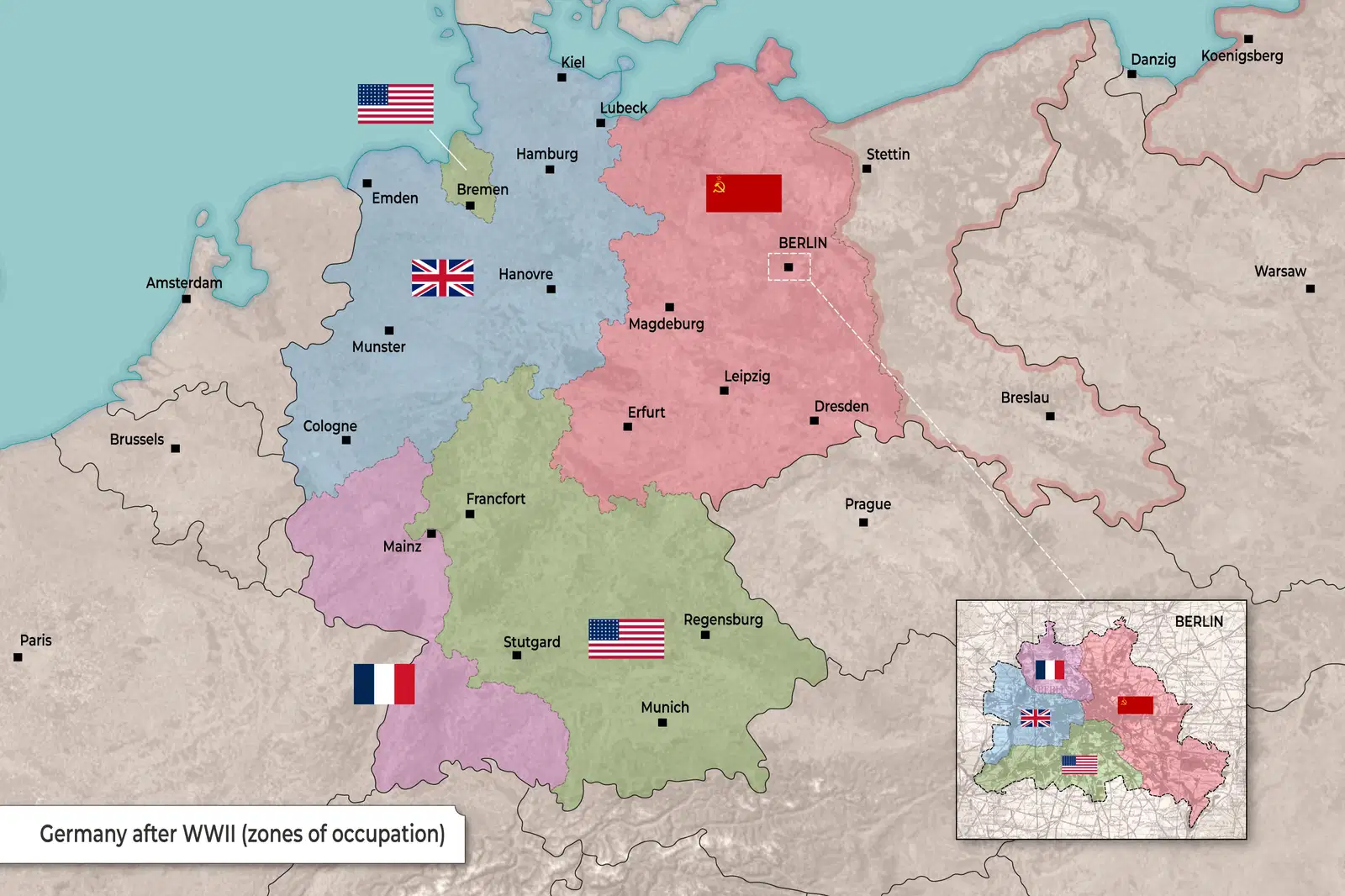
Some analysts have compared this possible scenario with historical experiences such as post-World War II Germany, where the country was divided into occupation zones administered by foreign powers after the defeat of the Nazi regime. However, they warn that the Iranian case presents much more complex challenges, both because of its internal structure and because of its regional context
.
From the White House, the official focus remains on immediate military objectives, but the debate over Iran's political future begins to gain ground as the conflict progresses. The possibility of a division of the country, although not yet formalized as official policy, reflects the magnitude of the strategic rethinking that could arise if the current
regime collapses. The proposal has been compared to the actions taken by the allies after the defeat of the Nazi regime in Germany