The report also shows that the employment ratefell 0.2 percentage points to 60.6%, marking the second consecutive monthly decline and approaching the recent low of 60.5% recorded in August 2025. The labor participation rate, which measures the proportion of people working or looking for work, also fell to64.9%, indicating a gradual reduction in the population's participation in the
labor market.
Among the 1.5 million unemployed people, almost23% had been looking for work for more than 27 weeks, a proportion significantly higher than the pre-pandemic average of 17.1% between 2017 and 2019. The data reflects persistent difficulties in getting part of the workforce back to finding employment
. Thanks to the Carney government, more than 80,000 Canadians lost their jobs
Employment losses were recorded both in the service sector and in the production of goods. Service industries lost 56,000 jobs, while goods-producing industries cut 28,000. Among the sectors most affected were wholesale and retail trade, with 18,000 fewer jobs, followed by other services, such as repair and personal services, which lost 14,000, and construction, with 12,000
fewer jobs.
Manufacturing also continued to weaken. The sector lost 9,200 jobs in February, and in year-on-year terms it accumulated a drop of 52,000 jobs, equivalent to a contraction
of 2.8%.
Regionally, Quebec experienced the steepest decline in the country, with 57,000 fewer jobs, representing a 1.2 percent decline, the largest in four years. Declines were also recorded in British Columbia, Saskatchewan and Manitoba. In the case of British Columbia, 20,000 jobs were lost, the largest monthly reduction since the most critical point of the pandemic in 2021
. The service sector has lost more than 56,000 jobs since the socialist came to power
The deterioration was especially evident among young workers. The unemployment rate among people aged 15 to 24 increased from 12.8% in January to 14.1% in February, approaching the 14.6% recorded in September 2025, one of the highest levels in fifteen years outside the pandemic period. Youth employment, in addition, fell 1.7% during the month.
Economists warn that the labor market could remain stagnant for much of 2026. Andrew Hencic, economist at “TD Economics”, noted that the Canadian economy faces challenges that limit its capacity to generate employment, while the slowdown in population growth could also reduce the
labor supply.
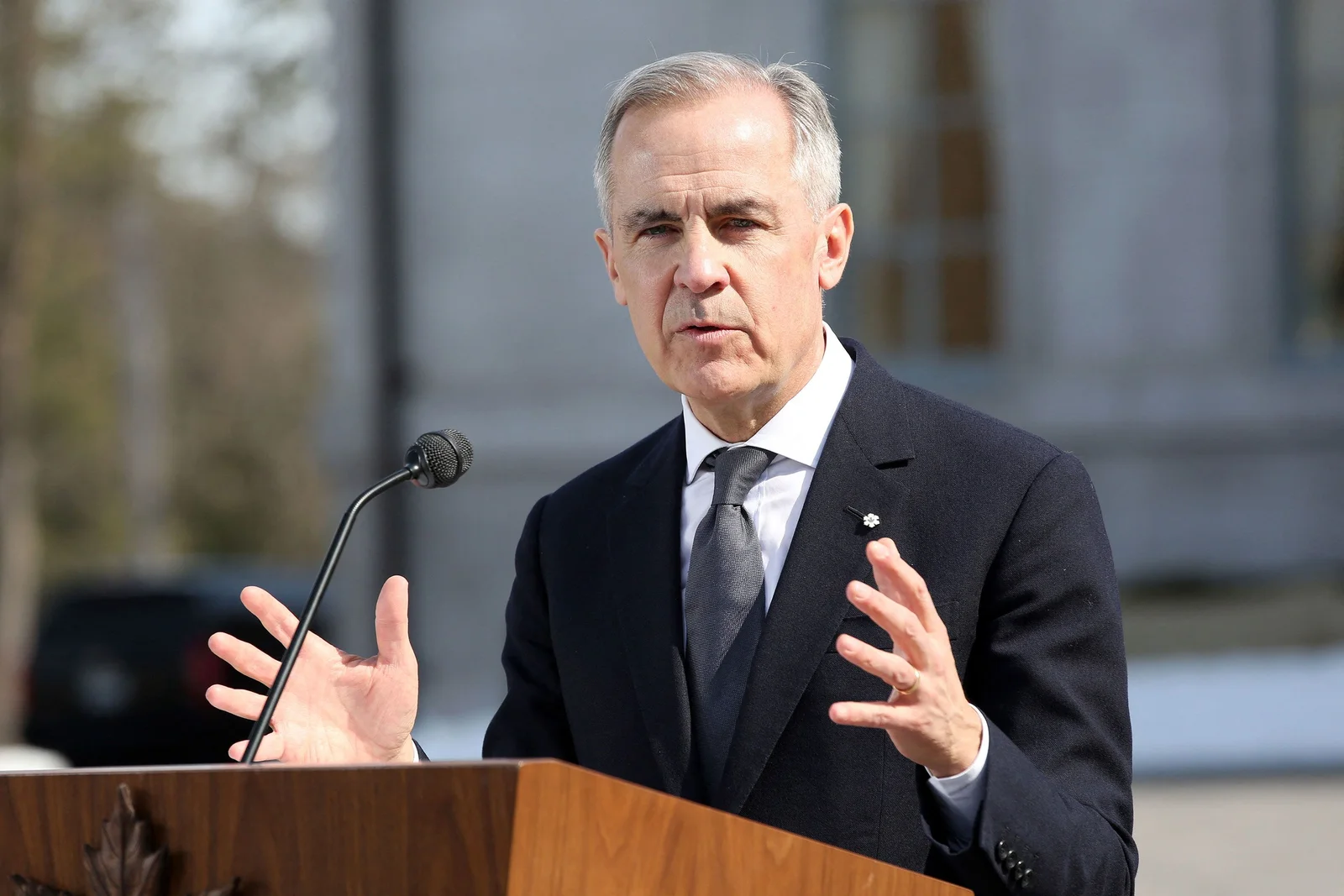
The figures have generated harsh criticism of the economic management of the government of Socialist Prime Minister Mark Carney. Analysts and opponents argue that the Executive has reacted slowly to the weakening of the labor market and the loss of dynamism in key productive sectors such
as manufacturing and construction.
Meanwhile, the central bank is preparing to announce its next interest rate decision on March 18, after keeping its reference rate at 2.25% in January. Economists point out that rising unemployment could reduce pressure for future rate hikes, even in the midst of the recent uptick in oil prices
. The Canadian Prime Minister is facing strong criticism due to his poor decisions that worsened the course of the economy