U.S. Marines trained with machine guns and tactical maneuvers at the Guantanamo naval base amid Washington's diplomatic and economic offensive against the Cuban regime
United States Marines conducted live-fire military exercises at the Guantanamo Bay Naval Station in Cuba from November 11 to 13. The maneuvers, carried out by personnel assigned to Task Force Secure, included practices with M240B machine guns and combat simulations to enhance troop readiness.
The activity was reported by the United States Southern Command (Southcom), which shared images and details of the training through its official account on X.
According to the military organization, the exercises were aimed at improving the Marines' response capability to various operational scenarios, with particular attention to coordination among units, communications, and executing orders under pressure.
The practices also included tactical movements, buddy aid procedures, and reactions to changing instructions. The goal was to keep personnel prepared to act in situations that require coordination and quick decisions.
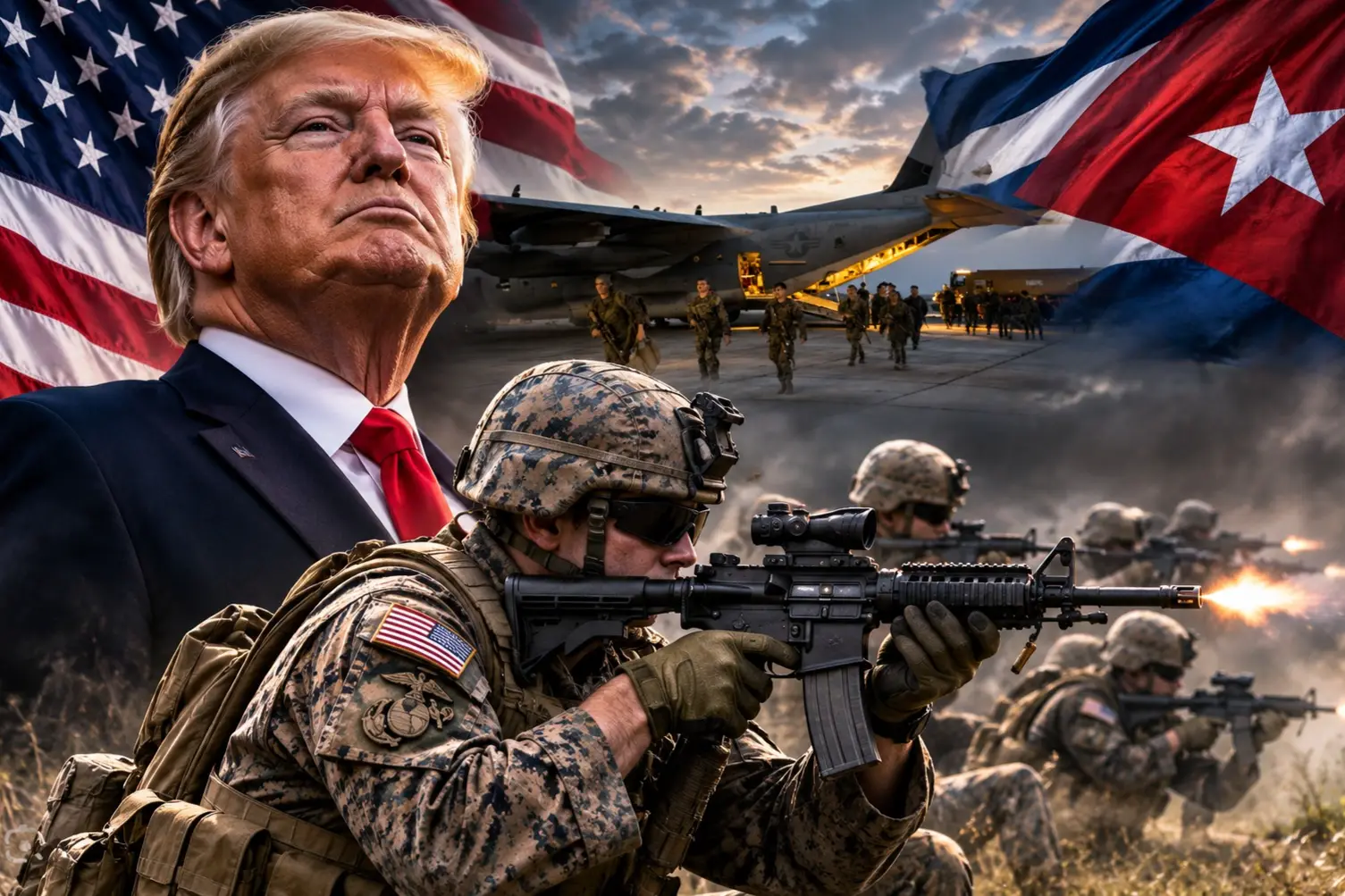
While Southcom did not specify whether the maneuvers were linked to a specific operation or a potential deployment, the training took place in a context of increasing pressure from the Donald Trump administration on the Cuban regime.
M240B Machine Guns and Combat Simulations in Guantanamo
During the exercises, the military used M240B machine guns, a standard weapon for U.S. infantry units that provides support fire during ground operations.
The exercises aimed to test the coordination of small units under conditions similar to those that may arise in a combat scenario. Among the practiced capabilities were communication during movements, interpreting instructions within a limited time, and articulation among group members.
M240B machine guns and combat simulations at Guantánamo
Southcom emphasized the importance of maintaining personnel readiness and strengthening their ability to respond to changing circumstances.
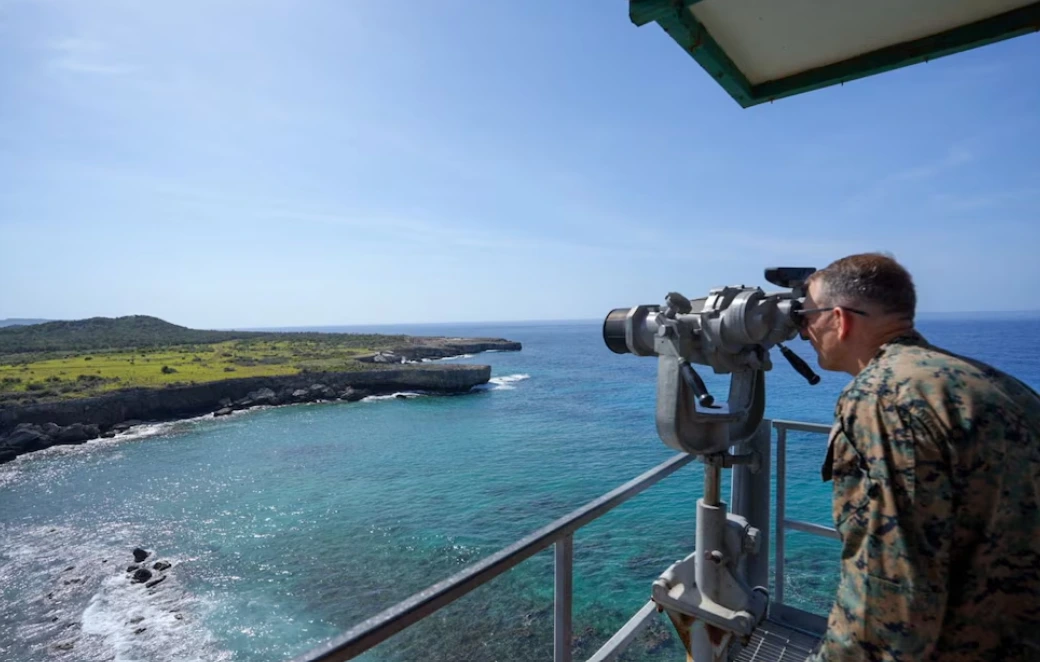
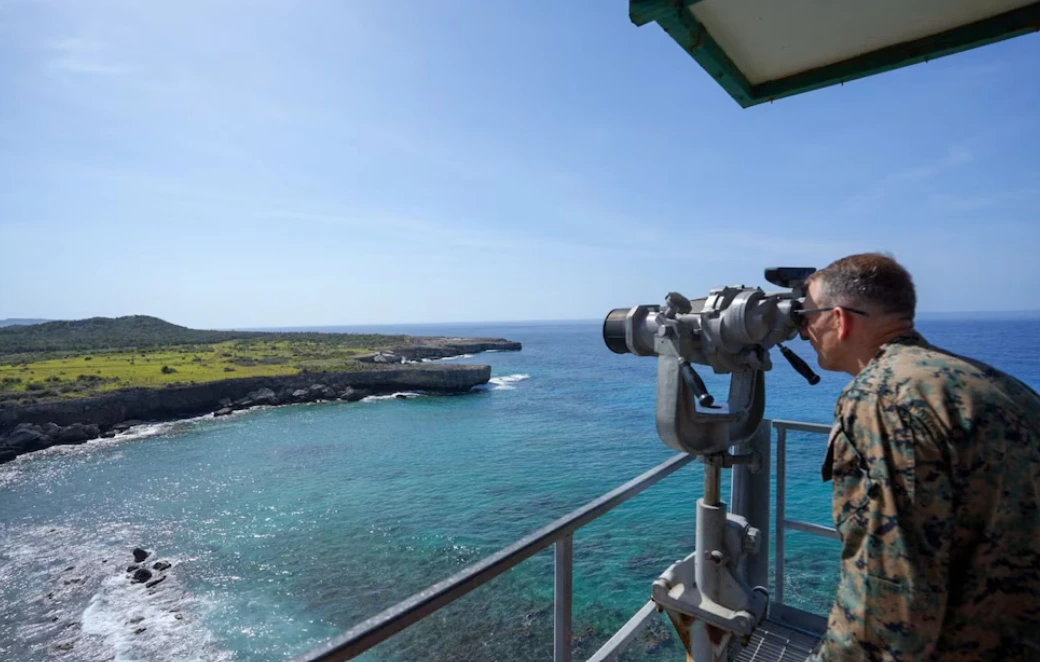
The Guantanamo Bay Naval Station is a strategic facility for the United States in the Caribbean. Washington has maintained control of the base since the early 20th century, despite historical claims from the Cuban regime over that territory.
In addition to its military and logistical functions, the complex houses the detention center created after the terrorist attacks of September 11, 2001, the situation of which has raised questions from human rights organizations.
Trump Intensifies Economic and Diplomatic Pressure on the Cuban Regime
The military exercises coincided with a new phase of pressure from Washington on Havana. The Donald Trump administration deepened economic and diplomatic sanctions against sectors and companies that, according to U.S. authorities, contribute to sustaining the Cuban communist regime.
On November 5, the United States announced sanctions against two individuals and eight companies, two of which are based in China. The Treasury Department stated that those targeted have ties to sectors of the Cuban elite or networks involved in the transportation of oil to and from the island. They were also accused of facilitating military material for the Cuban Armed Forces.
The Guantanamo Bay Naval Station constitutes a strategic facility for the United States in the Caribbean
The measures added to Washington's warnings about the possibility of imposing tariffs on countries that supply oil to Cuba. The White House strategy aims to limit the regime's funding and supply sources amid a context of increasing economic and energy deterioration.
For their part, Cuban authorities rejected the sanctions and blamed the United States for the island's economic difficulties, within the framework of the embargo that has been in place for over six decades.
The Energy Crisis Deepens Cuba's Deterioration
U.S. pressure is occurring while Cuba is experiencing a deep energy crisis, with prolonged blackouts in various provinces and electricity cuts that, in some areas, exceeded 24 hours.
The lack of fuel directly affects electricity generation, transportation, production, and the functioning of public services. This is compounded by the deterioration of an energy system dependent on old thermoelectric plants, which have recorded numerous breakdowns and outages.
The situation reflects the structural difficulties faced by the Cuban regime in sustaining the economy's functioning and ensuring basic services for the population.
In this context, the Marines' exercises in Guantanamo are part of a phase of increased pressure from Washington on Havana. Although Southcom did not officially link the maneuvers to an operation against Cuba, the military training took place while Trump deepens measures aimed at limiting the resources and support networks of the communist regime.