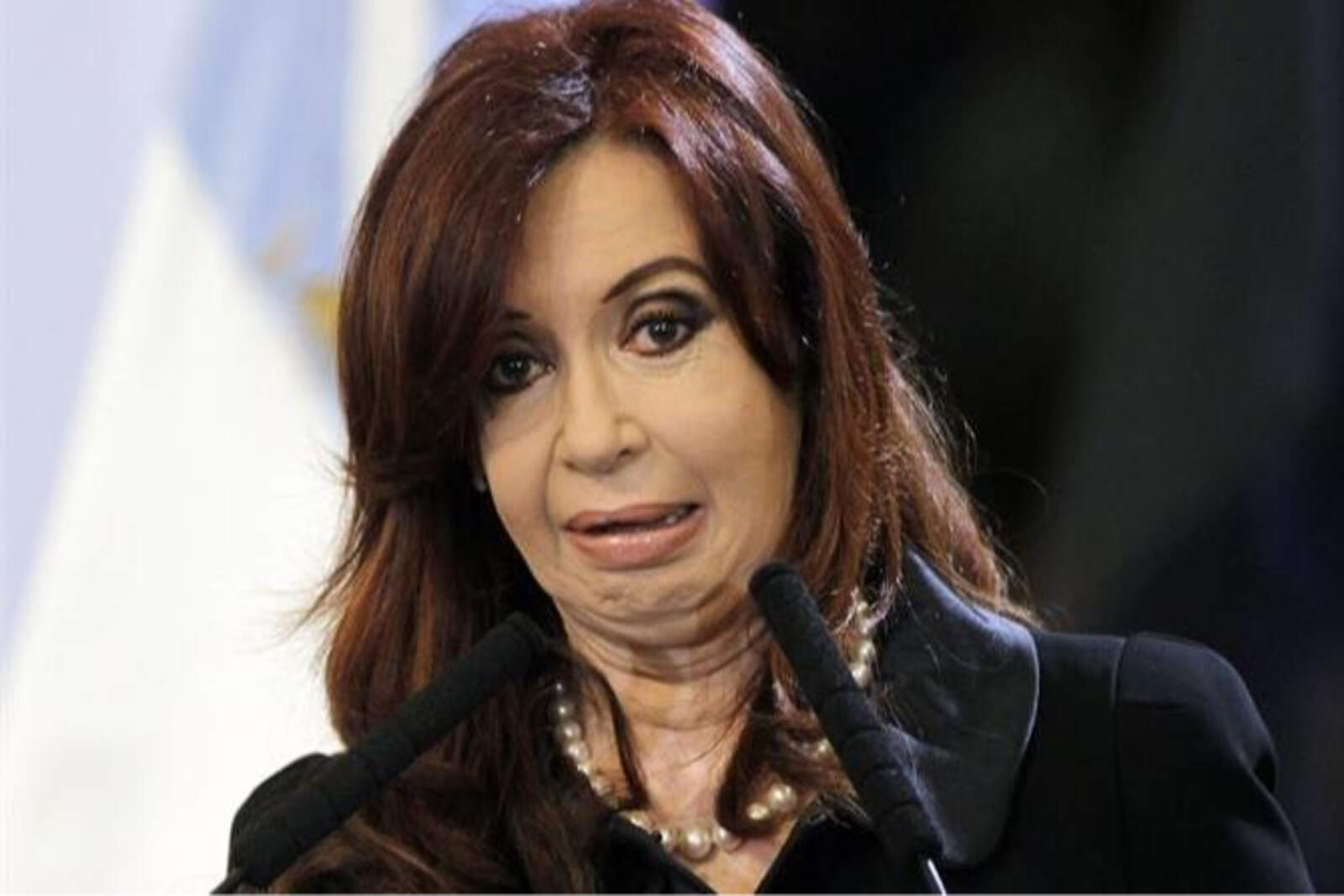

"The announcement came out and the demons were unleashed, and people everywhere started demanding that I be put in prison. That's what you read. You shouldn't get angry, you should stay alert. All this with editorials saying 'she's finished, cornered.' If I'm really like that, why don't they let me compete and defeat me politically? Go ahead, look how much I'm trembling," the former president said ironically, challenging her detractors.
Without moderation, she repeatedly emphasized the idea that she could go to prison and drew a parallel with tragic dates in the history of Peronism, in an attempt to symbolically capitalize on victimhood:
"They may put me in prison. The month of June is a terrible month for Peronism. On Monday we're going to organize a tribute in the party to those executed in José León Suárez. And the following Monday marks 70 years since the bombings... They pulled the trigger in my face because they want me in prison or dead. What they'll never be able to prevent from returning is the people, who have an identity and a history in Argentina," she emphasized.
During her speech—lasting approximately 35 minutes—she also defended her decision to seek a seat in the provincial legislature, which many analysts interpret as a clear political retreat: from the presidency of the Nation to the local legislative arena.
"For the younger ones, who surely don't know, in '62 Perón, from exile, was Framini's running mate for vice governor in Buenos Aires province. Of course, his candidacy was not allowed. This isn't a play or a movie; the history of Peronism is something else. Each person has to be where they are most useful and where they can best help a political organization that gives the people a bit of happiness back," Cristina concluded, once again appealing to myth and epic to cover up the judicial background that haunts her.