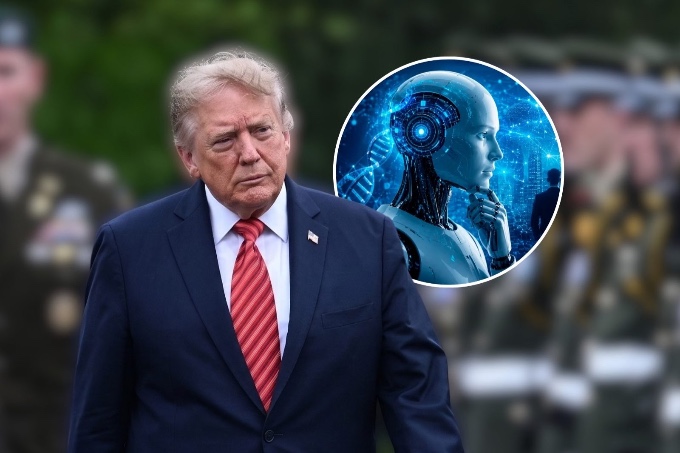
The United States Senate denied on Thursday a resolution presented by Democrats that sought to prevent President Donald Trump from ordering military actions against Venezuela without prior authorization from Congress. The vote closed 51 to 49 in favor of Trump retaining his powers.
The proposal, promoted by Senator Tim Kaine (Virginia), sought to ensure that the U.S. Armed Forces could not act "within or against Venezuela" except by formal declaration of war or a mandate from Congress. The Senate's rejection marks a victory for Trump and his administration, who consider drug trafficking linked to Venezuela a direct threat to U.S. security.
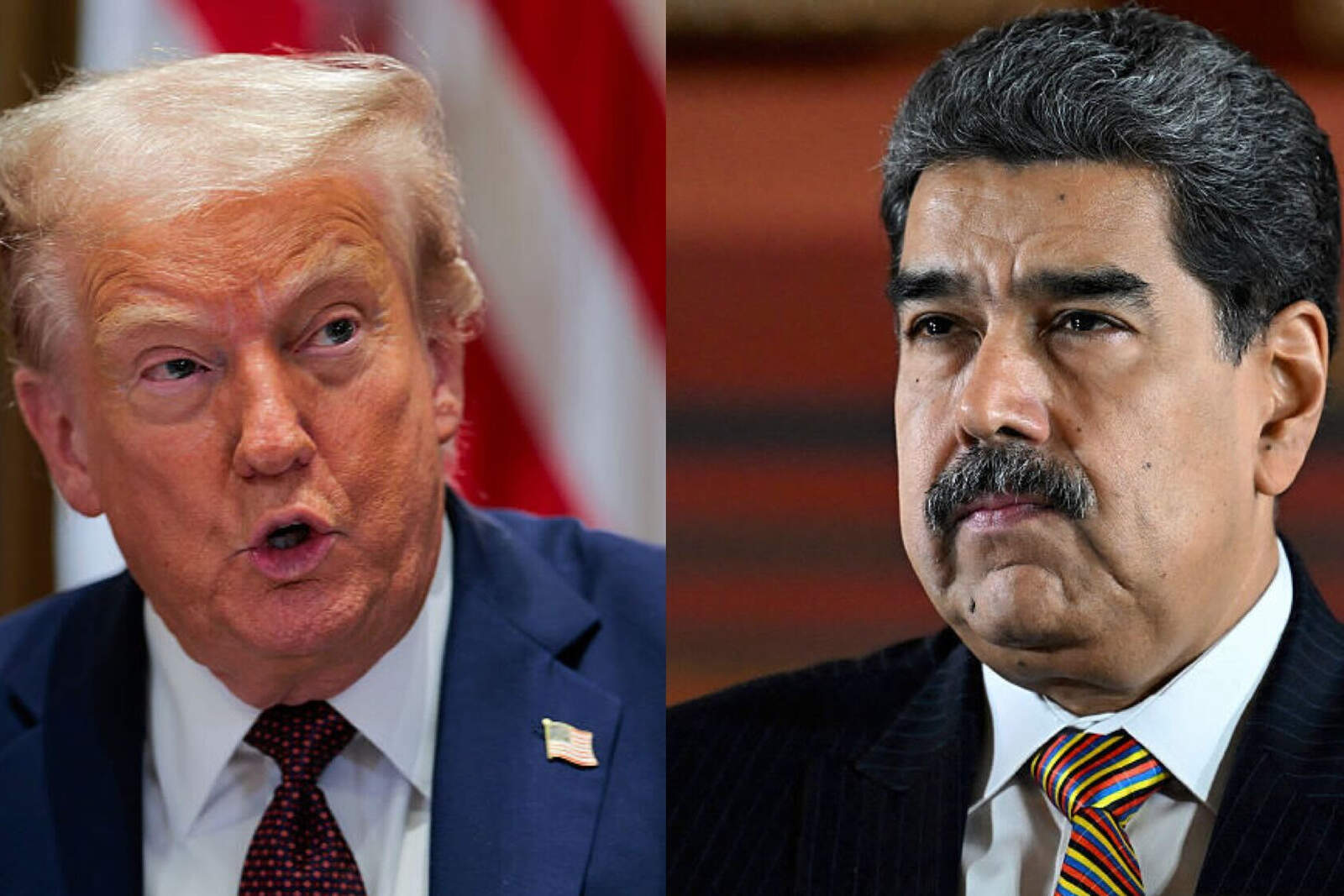
Donald Trump y Nicolás Maduro.
Texas, Caribbean, and active naval surveillance
The anti-narcotics offensive coordinated by the Trump administration has mobilized a fleet of warships, fighter jets, surveillance drones, and nuclear submarines in the Caribbean and the Eastern Pacific. The objective is to pursue and destroy vessels transporting drugs from the vicinity of Venezuela to international waters and, according to Washington, to the U.S.
Secretary of Defense, Pete Hegseth, stated that these operations will continue "until the narco-terrorists stop poisoning the American people." In addition, in a recent statement he declared: "We have forces deployed in the air and on the water... it's a really serious mission for us."
Meanwhile, Secretary of State Marco Rubio indicated that "the president wants to wage war against these groups that attack us" and added: "Maduro is a drug trafficker."
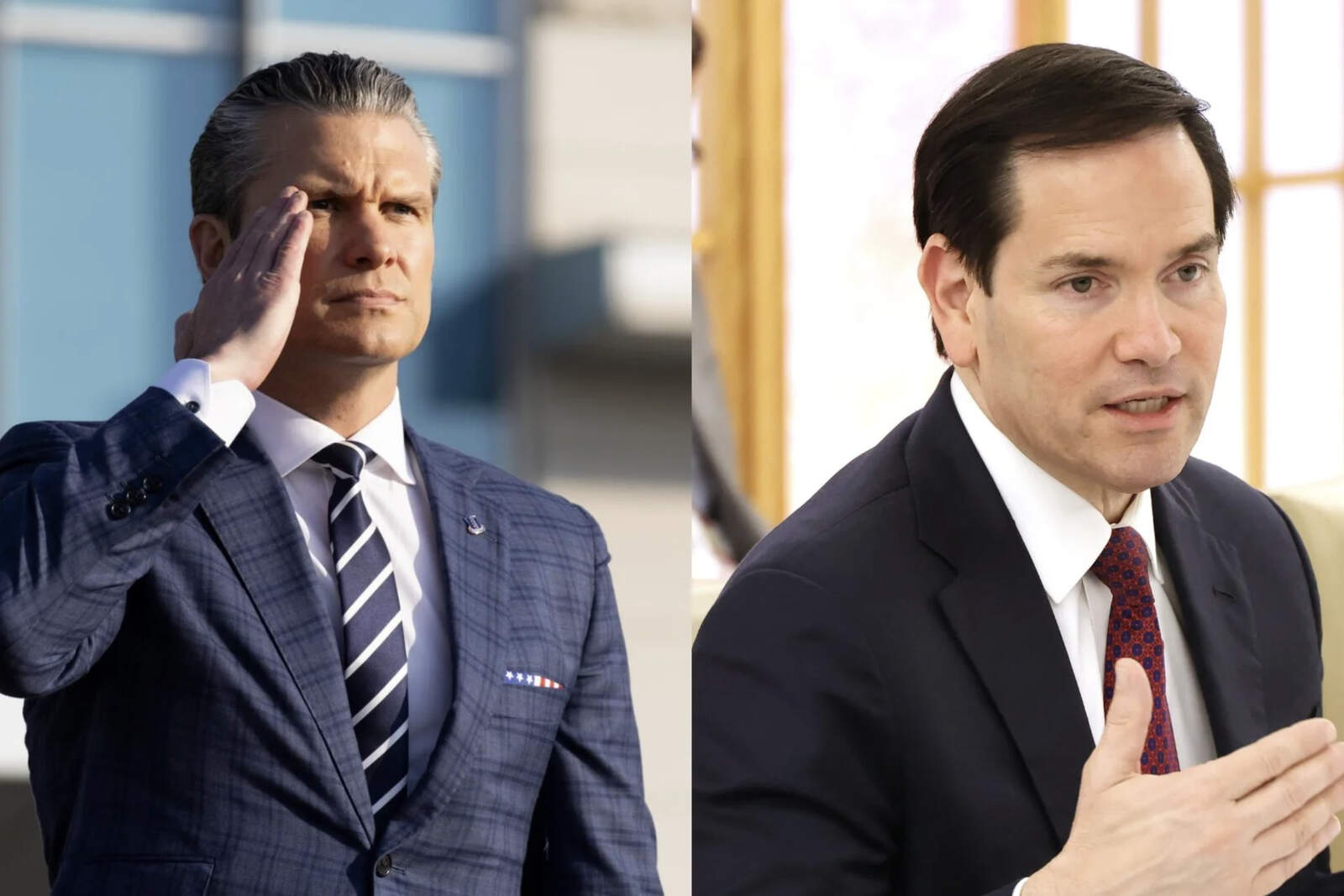
Pete Hegseth y Marco Rubio respondieron las dudas del Senado
For Trump, the measure is a clear defense of the country. According to White House statements, he denounced that "many Venezuelan drugs come by sea... but we're also going to stop them by land."
Defense, security, and sovereignty
Under the War Powers Resolution of 1973, the president must suspend military operations after 60 days without congressional approval, or request a 30-day extension. That deadline expired this week, which led a group of lawmakers—mostly Democrats—to request reports on the criteria used in the missions.
Before the vote, Secretaries Rubio and Hegseth attended the Senate to clarify lawmakers' questions and detail the criteria used for casualties, which—as they explained—are meticulous, selective, and fully justified.
In his role as commander in chief, Trump has linked the fight against drug trafficking directly to the security of American citizens. He stated that he will not allow his people to be poisoned and justified the operations as part of an effort to defend borders, life, and freedom. In this context, military action is presented as a legitimate instrument of foreign policy to protect the country against unconventional threats.
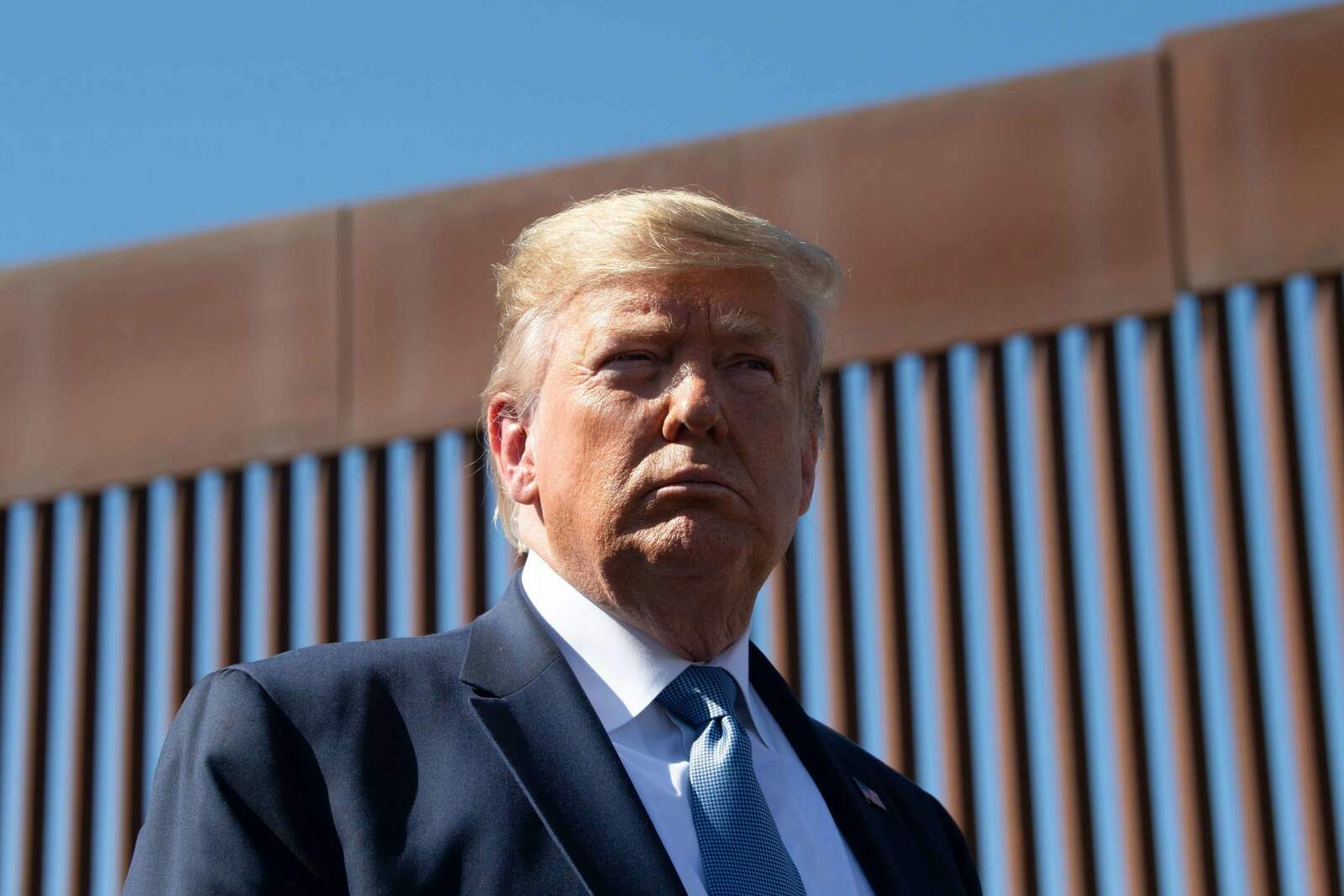
Donald Trump en la frontera con México.
The Senate's support for Trump to retain this power demonstrates that at least a majority of lawmakers recognize the need to maintain a firm stance against drug trafficking networks operating from Venezuela and that, according to the U.S., have support from Nicolás Maduro's regime.