Venezuelan police officers induce journalists to cross and then detain them illegally
Nuevo
Agregar La Derecha Diario en
Compartir:
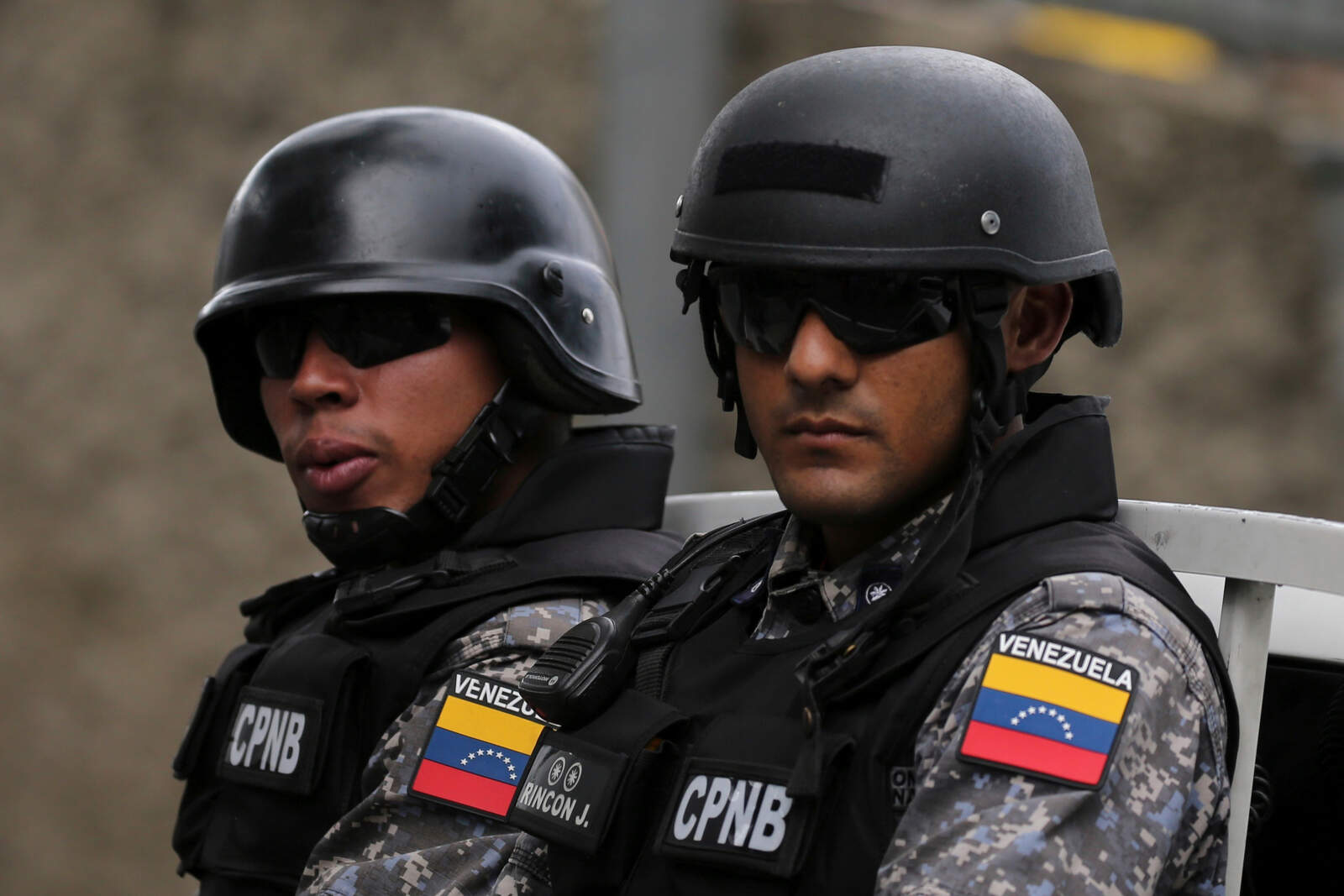
Venezuela's dictatorship was once again exposed for the systematic use of illegal practices against the international press. In recent hours, multiple complaints have emerged about operations by security forces that deliberately induce foreign journalists to cross the border and then arbitrarily detain them on Venezuelan territory.
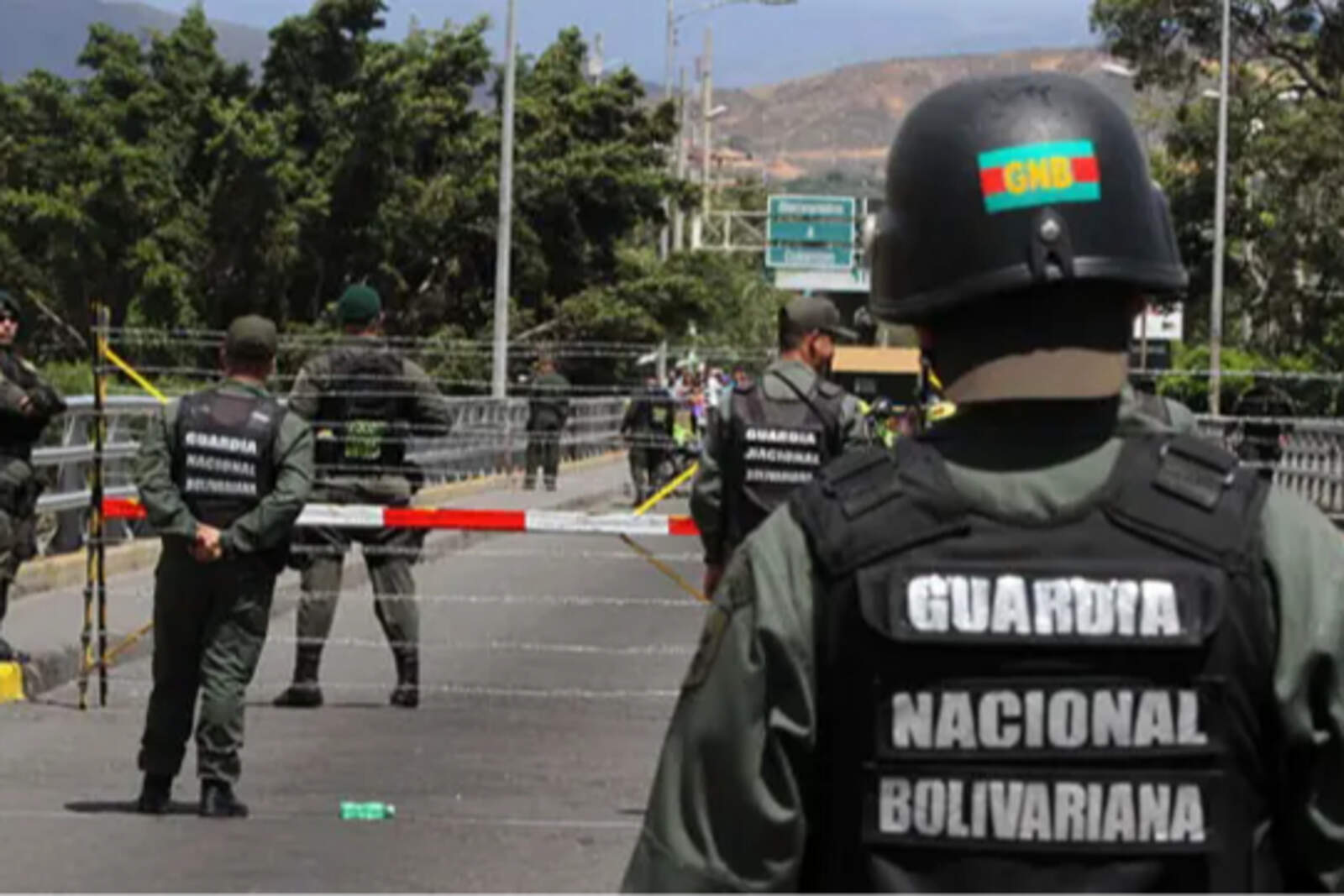
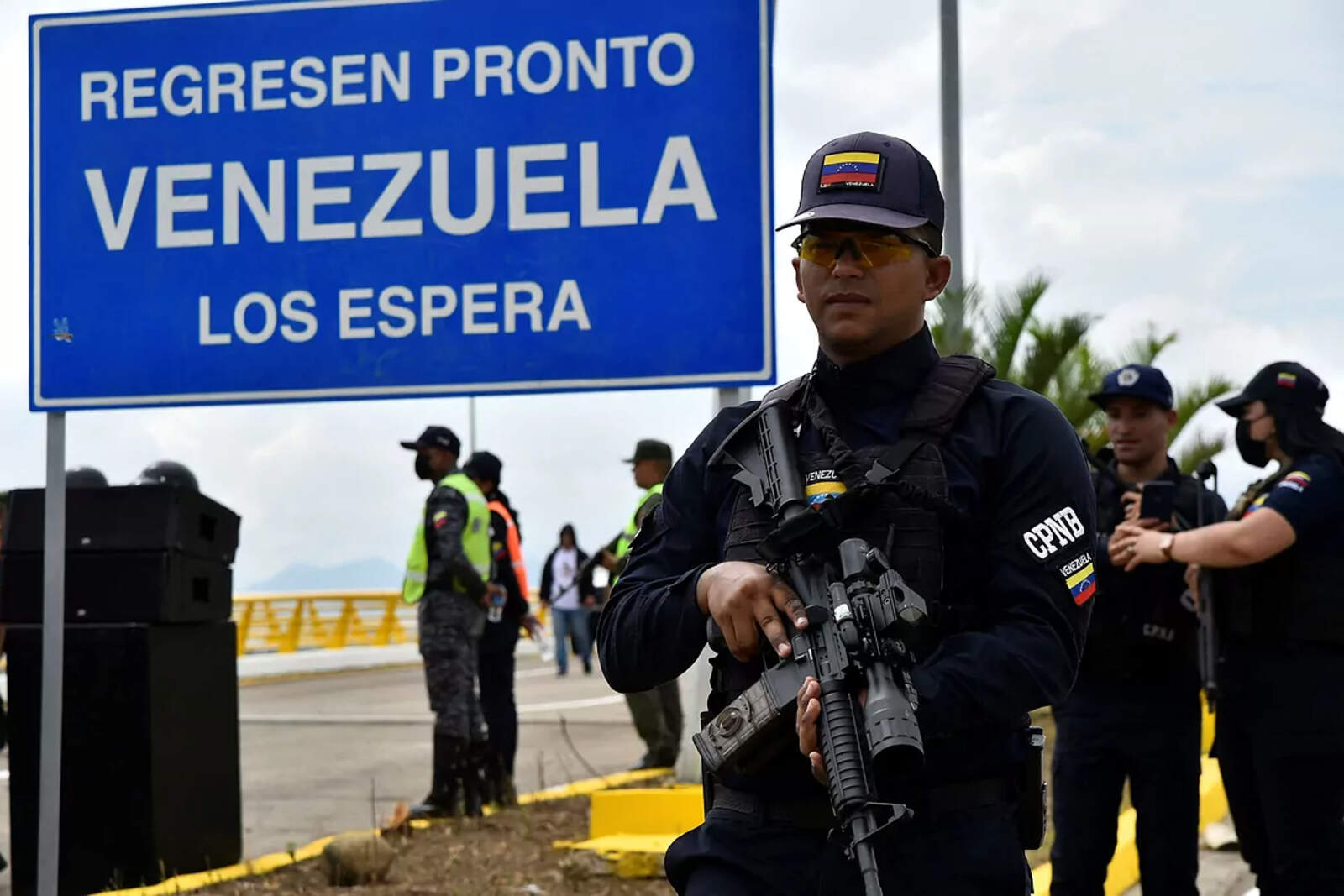
According to accounts from witnesses and colleagues of the victims, police officers stationed at border crossings approach reporters who work on the foreign side—mainly in areas bordering Colombia—and "invite" them to enter a few meters into the country to make inquiries or conduct interviews. Once the journalists cross, they are automatically placed under the jurisdiction of the Chavista regime and are detained without a court order or formal explanation.
Policías venezolanos inducen a periodistas a cruzar y luego los retienen ilegalmente.
The maneuver is neither isolated nor improvised. According to the information gathered, journalists of Mexican, Colombian, and French nationality have already fallen into these traps, several of them belonging to international news agencies. In every case, the pattern is repeated: forced detention, intimidating interrogations, and confiscation of personal belongings and work tools, such as cameras, phones, and computers.
The detentions take place under the generic pretext of "national security," a usual formula of Chavismo to justify abuses of power. In practice, these actions function as a direct censorship mechanism and as intimidation against those who attempt to document the political, social, and humanitarian crisis that the country is going through.
Policías venezolanos inducen a periodistas a cruzar y luego los retienen ilegalmente.
The forces involved reportedly answer both to the National Police and to security bodies under the regime's control, among them the Bolivarian National Guard, which operates with broad powers in border areas. The lack of judicial oversight and the absence of basic guarantees turn these territories into true free zones for institutional abuse.
From the circle of Argentine journalists who work in the region, it was pointed out that the national reporter who managed to avoid the trap did so by noticing the maneuver in time and refusing to cross the border line. The anecdote, celebrated with irony on social media, doesn't hide the seriousness of the background: in Venezuela, practicing journalism has become a high-risk activity.