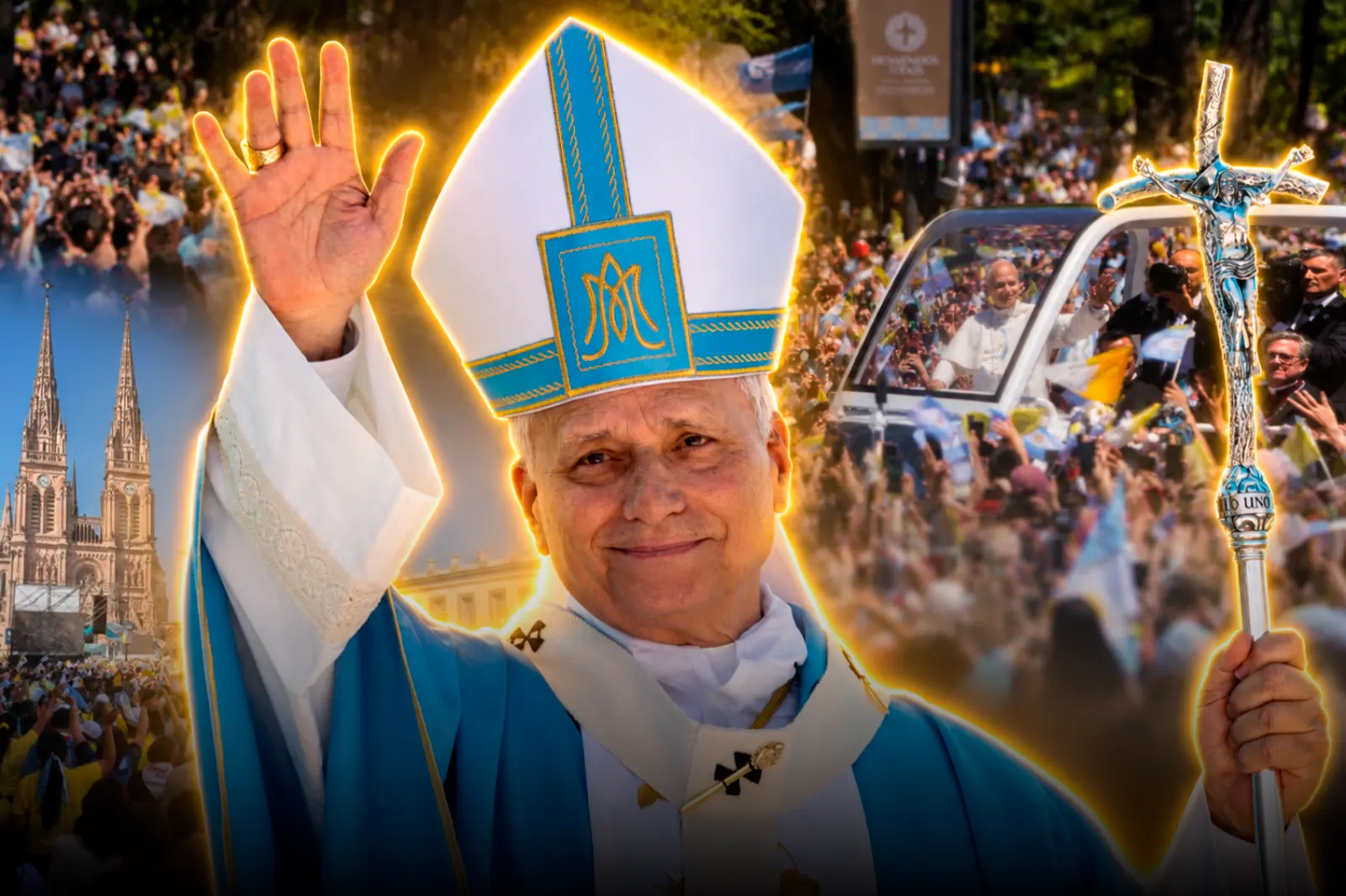
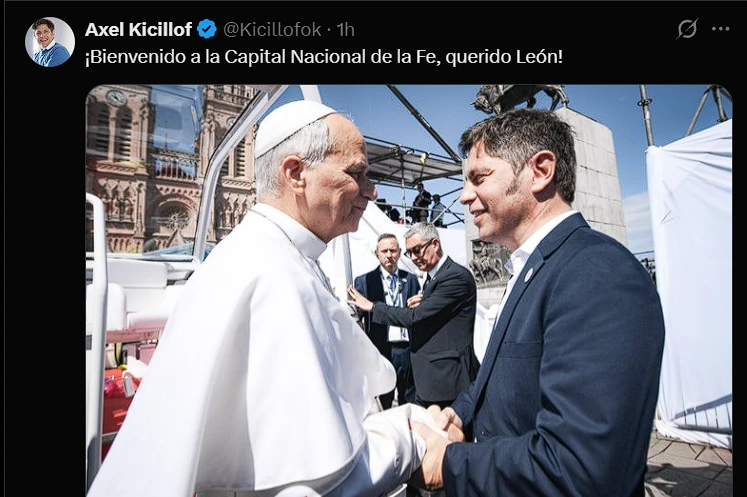
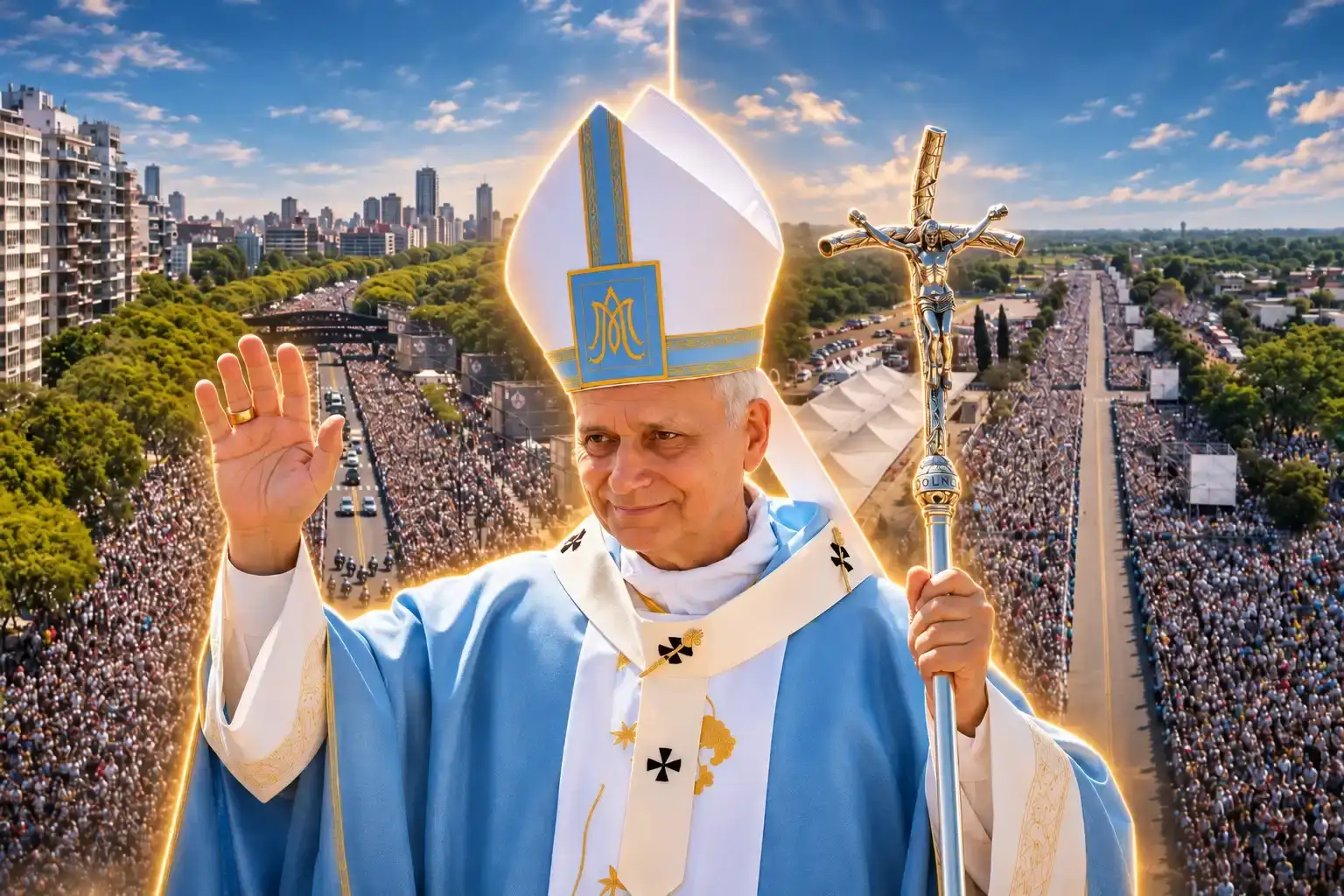
For its part, Luján concentrated another of the largest gatherings of the papal tour, with an estimated attendance of 3.5 million people in front of the historic Basilica. Before the celebration, hotel occupancy had already surpassed 90%, while accommodation searches on Booking and Airbnb had increased by more than 1,800% and 500% year-on-year, respectively.
The tourist movement also extended to other destinations in the country, favored by the days off. Mar del Plata exceeded 75% hotel occupancy, driven by a wide agenda of cultural, sports, and gastronomic activities. Chascomús reached 98%, while Mar de las Pampas recorded 86%. These results also responded to traditional tourism, independent of religious pilgrimages.
Among the provinces that reported economic results, Santa Fe received more than 112,000 visitors and recorded an impact exceeding $20 billion, while Neuquén surpassed $8 billion and Jujuy reached $4.599 billion. These figures correspond to the overall tourist movement of the period and not exclusively to the papal visit.
Milei personally thanked the security forces for the historic operation to receive Pope Leo XIV
The magnitude of the celebrations also required significant logistical deployment. To facilitate travel to Luján, 42 special trains from the Sarmiento railway were added, while the security operation, health assistance, and volunteering mobilized nearly 50,000 people between the City and the province of Buenos Aires.
Although the definitive economic impact of the celebrations in Córdoba and Luján is still to be determined, the initial surveys show that the historic visit of Leo XIV not only mobilized millions of Argentines for religious reasons but also represented a significant boost for various activities related to tourism and services.
The historic visit of Pope Leo XIVto Argentina generated a significant tourist and economic movement, with an estimated impact exceeding USD 88 million just in the City of Buenos Aires, while millions of faithful traveled to the main venues of the religious celebrations, boosting hotel, gastronomic, commercial, and transportation activities.
According to the first surveys released by the Argentine Confederation of Medium Enterprises (CAME), the arrival of the Supreme Pontiff produced an extraordinary movement of visitors, particularly in Buenos Aires, Córdoba, and Luján. Hotel occupancy reached 75% in the Federal Capital, exceeded 90% in Luján, and hovered around 60% in Córdoba, where numerous high-end establishments reached full capacity.
The Masses of Pope Leo XIV in Argentina were among the five greatest in history
The Buenos Aires Tourism Board estimated that, between November 6 and 10, the City received 1.24 million visitors, of which 242,000 were tourists who stayed overnight, including 165,000 Argentines and 77,000 foreigners. The rest mainly consisted of day-trippers. The massive mass held at the Monument to the Spaniards gathered, according to released estimates, more than 2.5 million people.
In Córdoba, the celebration held at the Argentine Factory of Airplanes (FAdeA) attracted more than 650,000 faithful, according to Vatican figures. The demand for accommodation also recorded significant growth: searches on Airbnb for Córdoba and Alta Gracia increased by more than 400% year-on-year, reflecting the interest generated by the presence of the Pontiff.