
"The Venezuelan Government has illegally financed left-wing political movements around the world for at least 15 years," Carvajal reiterated in a document submitted to the U.S. judge, also committing to provide unpublished documentation that would prove the route of those funds. The revelation shook both the international judicial sphere and Argentine politics, once again putting Chavista influence over Kirchnerism under scrutiny.
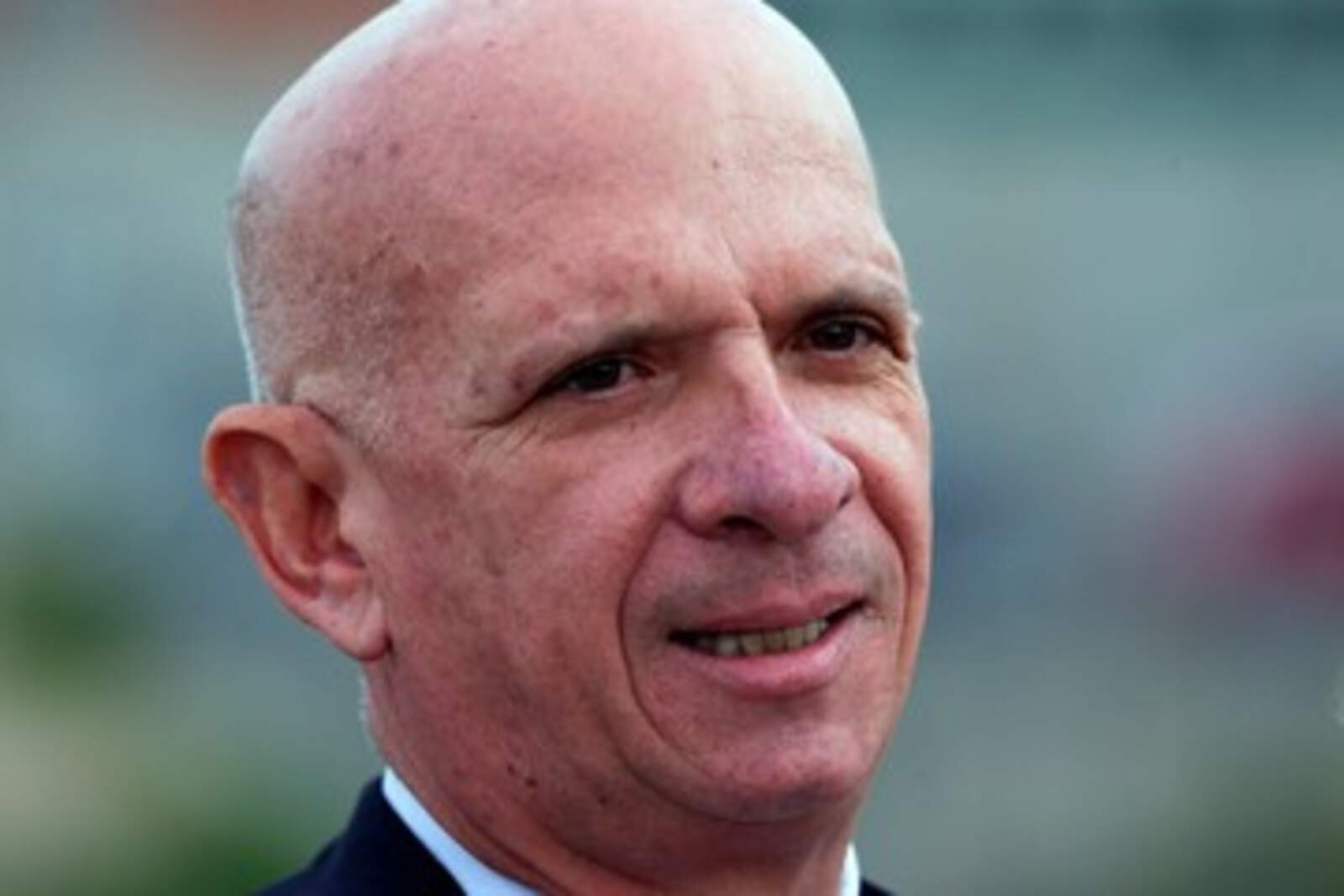
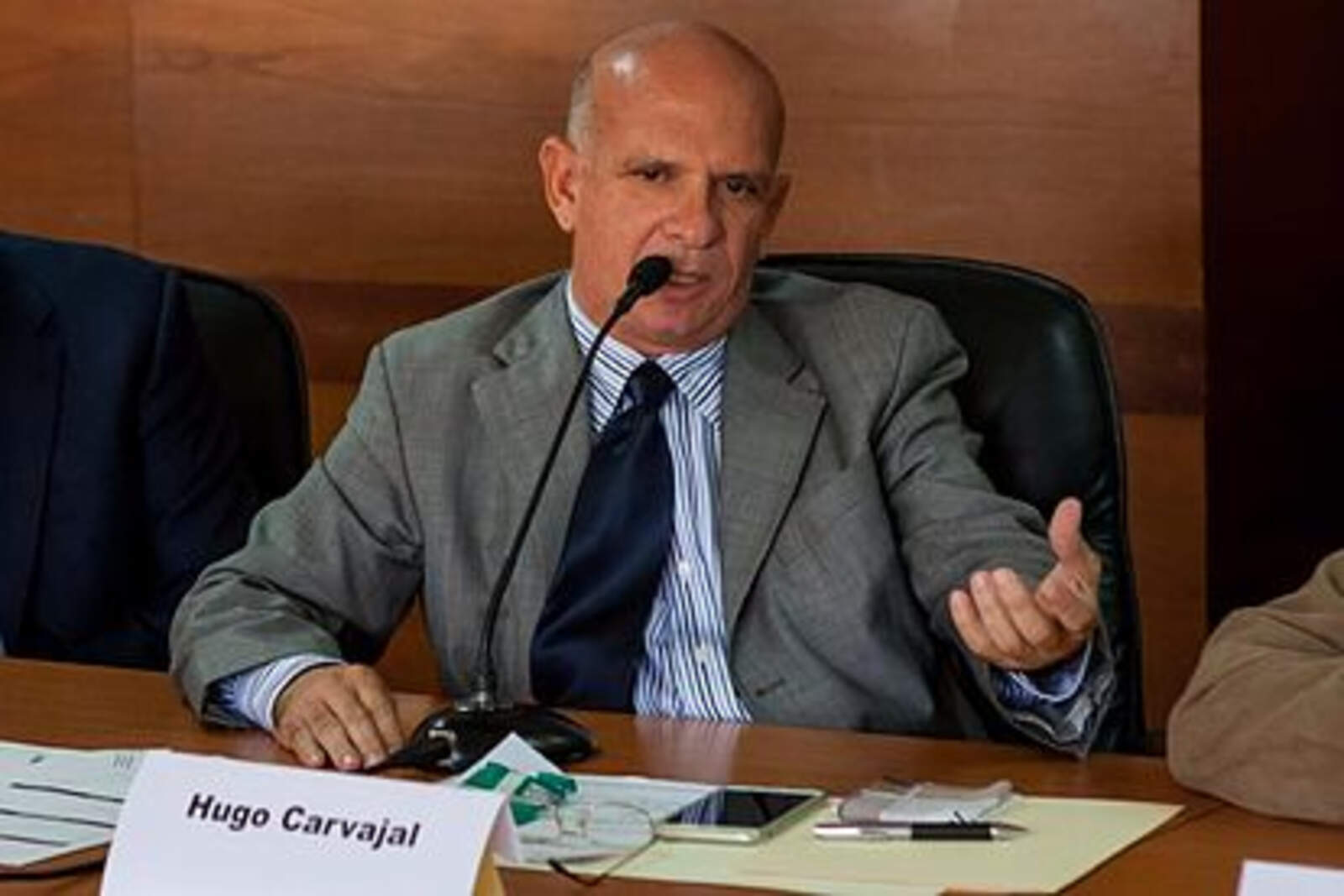
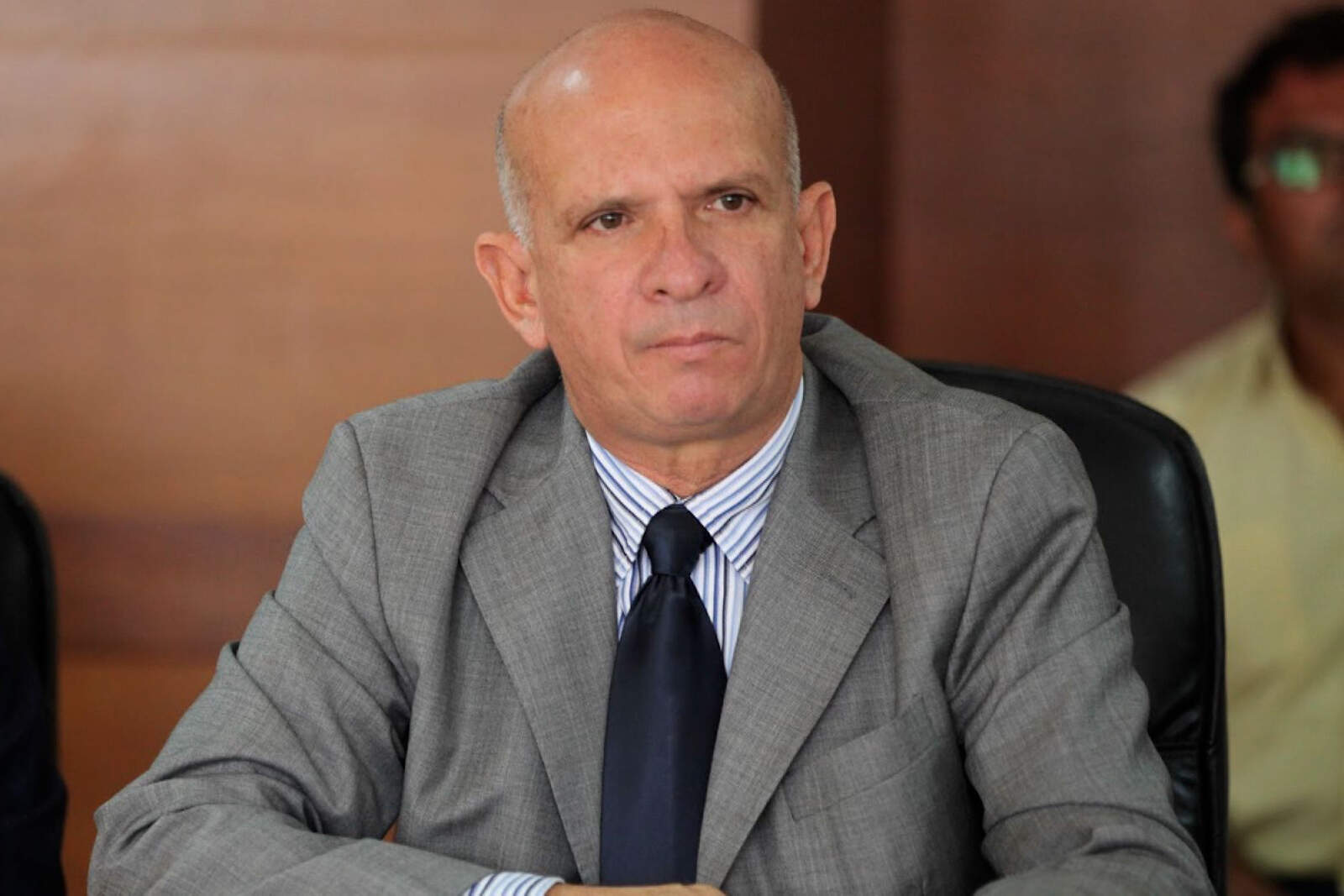
Who is Hugo Armando Carvajal?
Born in Puerto La Cruz in 1960, Carvajal was one of Hugo Chávez's most trusted men. He reached the rank of major general in the Bolivarian Army, and for years led the General Directorate of Military Counterintelligence (DGCIM), where he controlled the regime's secret operations. In 2008, he was sanctioned by the Office of Foreign Assets Control (OFAC) of the United States for his role in cocaine trafficking and his cooperation with the FARC. Since then, his name has appeared on the Clinton List, which identifies officials linked to drug trafficking and terrorism.
His political career took him to the Venezuelan Parliament as a PSUV deputy, but over time he distanced himself from Maduro and denounced internal corruption and the regime's authoritarian drift. After breaking ranks, he fled the country and ended up detained in Spain, where he remained a fugitive until his extradition.
Today, on U.S. soil, Carvajal seeks to reduce his sentence—estimated at about 20 years—by offering evidence of how Chavismo bought political loyalties with drug trafficking money.
His testimony, which combines espionage, cocaine, and political corruption, could open a new judicial chapter in Latin America, exposing the illicit financing network that connected the Venezuelan narco-dictatorship with Kirchnerism and other left-wing governments.