The goal is to consolidate the so-called Greater Bay Area, a project that seeks to economically connect various cities in the Pearl River Delta and turn them into an international hub for innovation, industry, and services.


Xi seeks to reduce technological dependence on the West and expand Beijing's influence before meeting with Trump and Putin at the APEC summit



The goal is to consolidate the so-called Greater Bay Area, a project that seeks to economically connect various cities in the Pearl River Delta and turn them into an international hub for innovation, industry, and services.
The Chinese president, Xi Jinping, has once again placed technological self-sufficiency and the strengthening of regional economic control among Beijing's priorities during an official visit to the city of Zhongshan in the southern province of Guangdong. His statements have reinforced the communist regime's intention to reduce dependence on foreign technologies and consolidate its economic influence in a strategic region, amid growing competition with the United States and Western restrictions on key technology sectors.
During a tour on Monday, Xi visited a center that brings together tech companies and startups, where he urged local authorities to promote industrial and scientific innovation, as well as create a favorable business environment. He also called on entrepreneurs in the sector to make greater efforts to achieve a high level of independence and strengthening in science and technology.
''Make greater contributions to achieve self-sufficiency and high-level strengthening in science and technology'' was the message conveyed by the communist leader, according to Chinese state media.
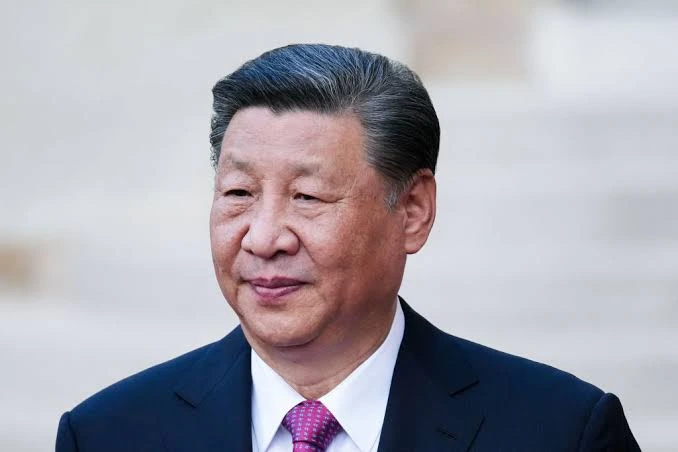
The emphasis on technological independence comes at a particularly delicate moment for Beijing. U.S. export restrictions on advanced semiconductors and other strategic components have exposed China's difficulties in accessing certain Western developments. In light of this scenario, Xi seeks to accelerate the construction of national capabilities that allow the country to sustain its technological development without relying on foreign suppliers.
However, the push for this strategy is also accompanied by a greater intervention of the Chinese Communist Party in strategic sectors, raising questions about business autonomy and the real conditions for innovation within the country's economic system.
During his visit, Xi Jinping also toured an important maritime transport infrastructure that connects Zhongshan with Shenzhen, one of China's main technology and financial hubs. There, he highlighted the need to improve the integration of transport and communications between Guangdong, Hong Kong, and Macao.
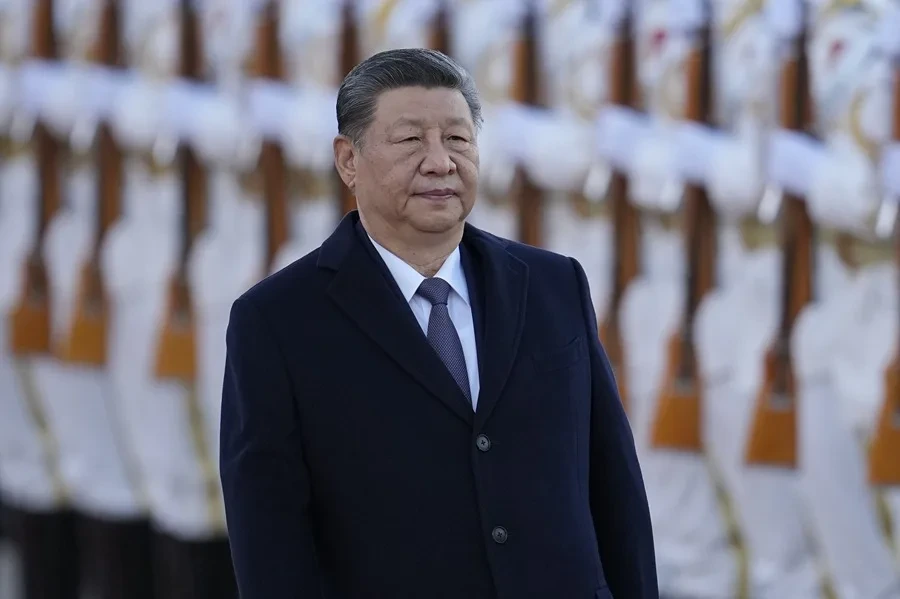
The initiative aims to leverage Hong Kong's financial capabilities, Macao's strategic position, and Guangdong's technological and industrial development. Xi insisted that greater integration of infrastructures will be essential to achieve this purpose.
However, the project also poses a challenge for Hong Kong, whose political and legal autonomy has been significantly reduced under Beijing's governance. The growing influence of the Chinese regime over the territory has raised international concern and questions about the future of the freedoms that historically differentiated the former British colony from the rest of the country.
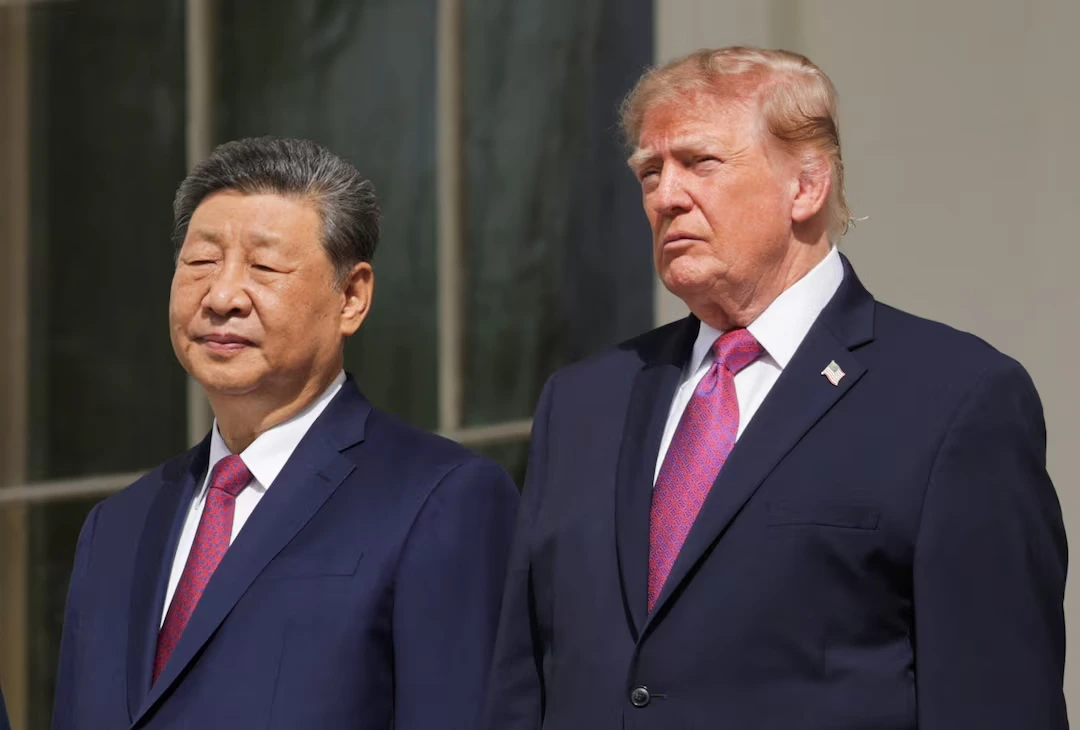
Xi's visit comes just days before he presides over the Asia-Pacific Economic Cooperation (APEC) summit, which will take place this week in Shenzhen. The meeting will be particularly significant due to the trilateral meeting planned with U.S. President Donald Trump and Russian President Vladimir Putin, which Beijing has described as an event of historical importance.
The diplomatic agenda offers Xi Jinping an opportunity to project China's international weight, although it also places him in front of two leaders with their own strategic interests and differing positions on trade, international security, and the war in Ukraine.