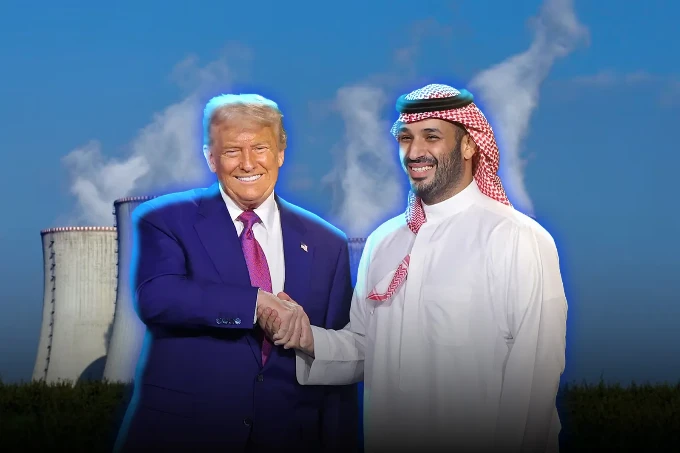
The United States and Saudi Arabia signed on Wednesday a civil nuclear cooperation agreement that paves the way for U.S. companies to participate in the Saudi nuclear energy program, a milestone that strengthens the close relationship between two historical allies.
The signatories of this pact, popularly known as the "123 agreement," were the energy ministers of both countries, Chris Wright and Prince Abdulaziz bin Salman. The document establishes the legal framework for nuclear cooperation between the nations and sets standards for nuclear safety, protection, and non-proliferation.
With this new roadmap, U.S. companies will be able to supply nuclear technology and services to Saudi Arabia, creating jobs for American citizens and helping the kingdom meet its growing energy demand.
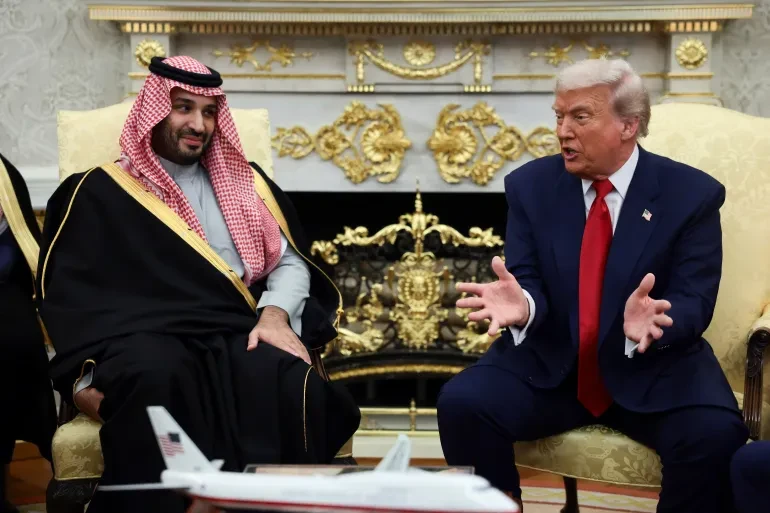
Saudi Prince Mohammed bin Salman is an ally of Trump
An agreement that must go through Congress
"These agreements reflect the shared commitment of our two nations to strengthen trade relations between the U.S. and Saudi Arabia, bringing prosperity to our country and security to our allies abroad," Wright said in a statement.
It is worth noting that the Trump administration must now send the details of the agreement to the U.S. Congress, which, after being reviewed, must be approved by lawmakers. This is dictated by Section 123 of the Atomic Energy Act of 1954. It is expected that Democratic representatives will oppose the pact and seek to overturn it in the House of Representatives or the Senate.
Without a doubt, Washington has signed this agreement while looking more aggressively at its competitors China and Russia, countries that have expanded their exports of civil nuclear technology and have launched nuclear energy projects around the world. The nuclear ambitions of the Iranian terrorist regime and the war Trump is waging to stop them cannot be ignored either.
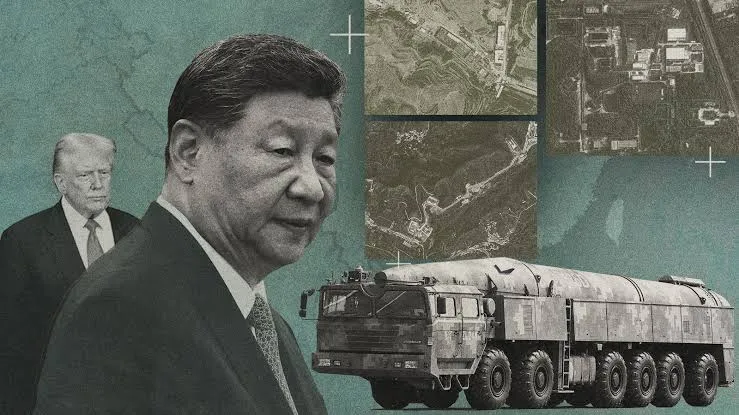
Trump looks at China and its growing nuclear arsenal