The elected governor of Texas, the Democrat Gina Hinojosa, is preparing an offensive against several of the main educational reforms pushed by the Republican Greg Abbott, including the elimination of the $1 billion school voucher program. These plans have already raised concerns among national researchers, who warn that dismantling academic assessment policies and incentives for teachers could jeopardize progress in student performance.
One of the first initiatives questioned by the future governor is the state grading system for schools and districts, known as ''A-F'', which allows for the evaluation of academic performance. Hinojosa promised to suspend it, although current legislation apparently prevents her from doing so unilaterally.
Hinojosa also intends to eliminate the STAAR standardized tests, used annually to assess students' knowledge. Although lawmakers passed legislation last year to replace them, the Democrat opposed that alternative and promised to develop a ''fairer'' system, without yet explaining how it would work.
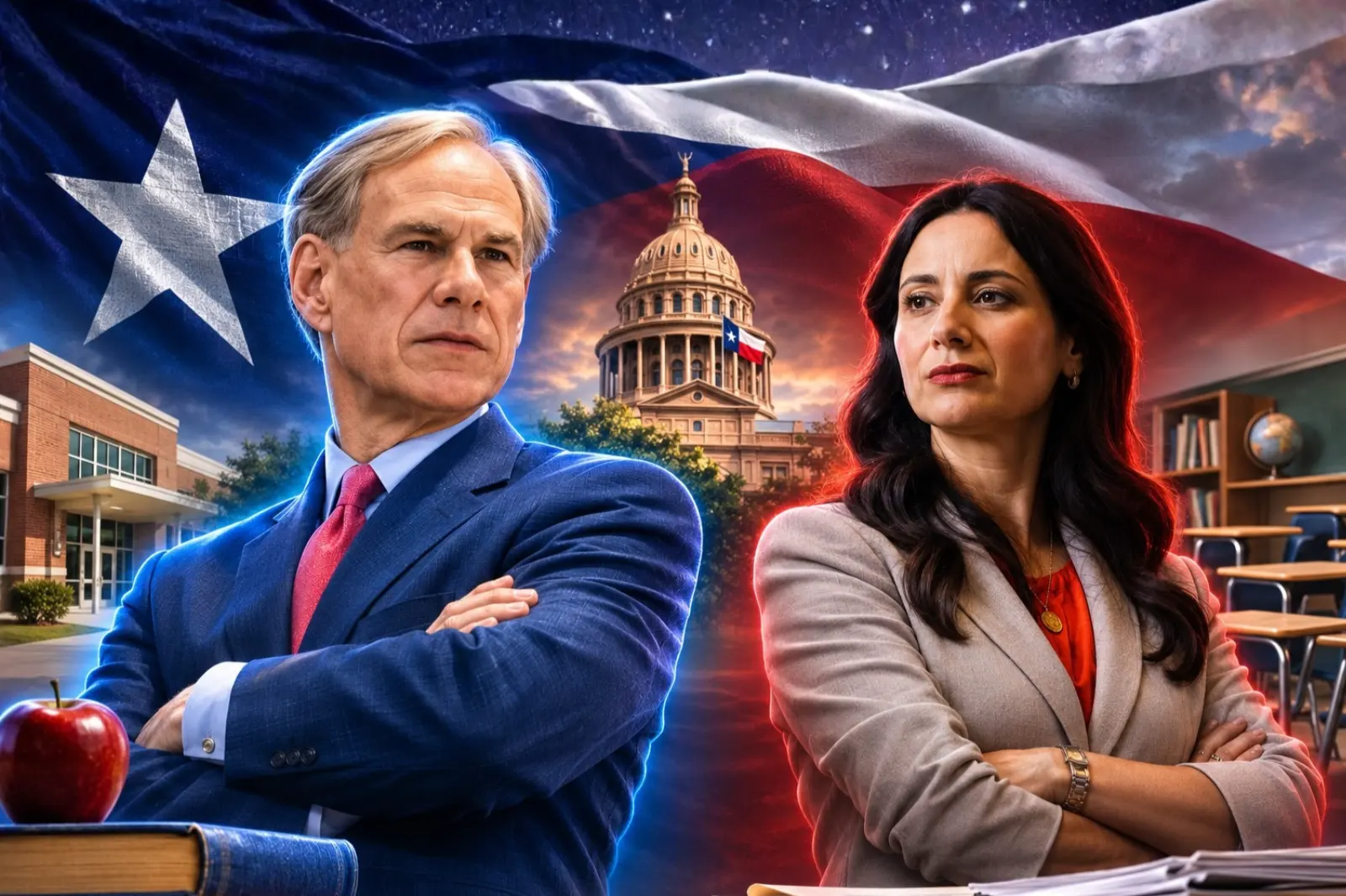
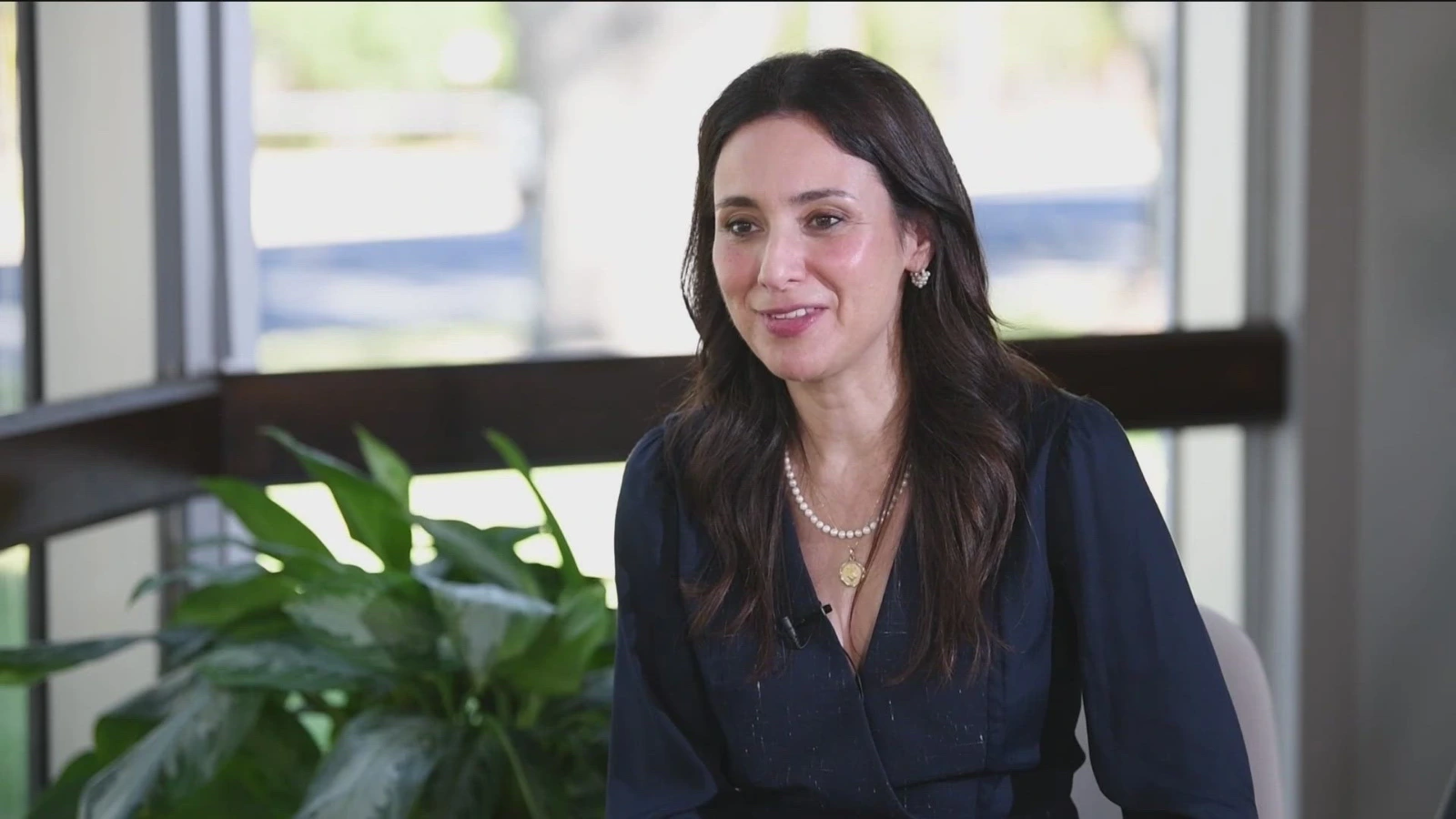
The Democratic governor elect of Texas, Gina Hinojosa, plans a profound educational reform against the initiatives of the Republican government of Greg Abbott
Another policy that could be affected is the Teacher Incentive Allocation, a program backed by Abbott that provides additional funds to improve the salaries of high-performing teachers, especially in low-income community schools.
Gina Hinojosa, on the other hand, prefers across-the-board salary increases and questioned why teachers should meet additional requirements to access better pay.
The future governor also promised to end state interventions in school districts with poor results. Currently, Texas must take control of a district or close a school when an establishment accumulates five consecutive failing grades.
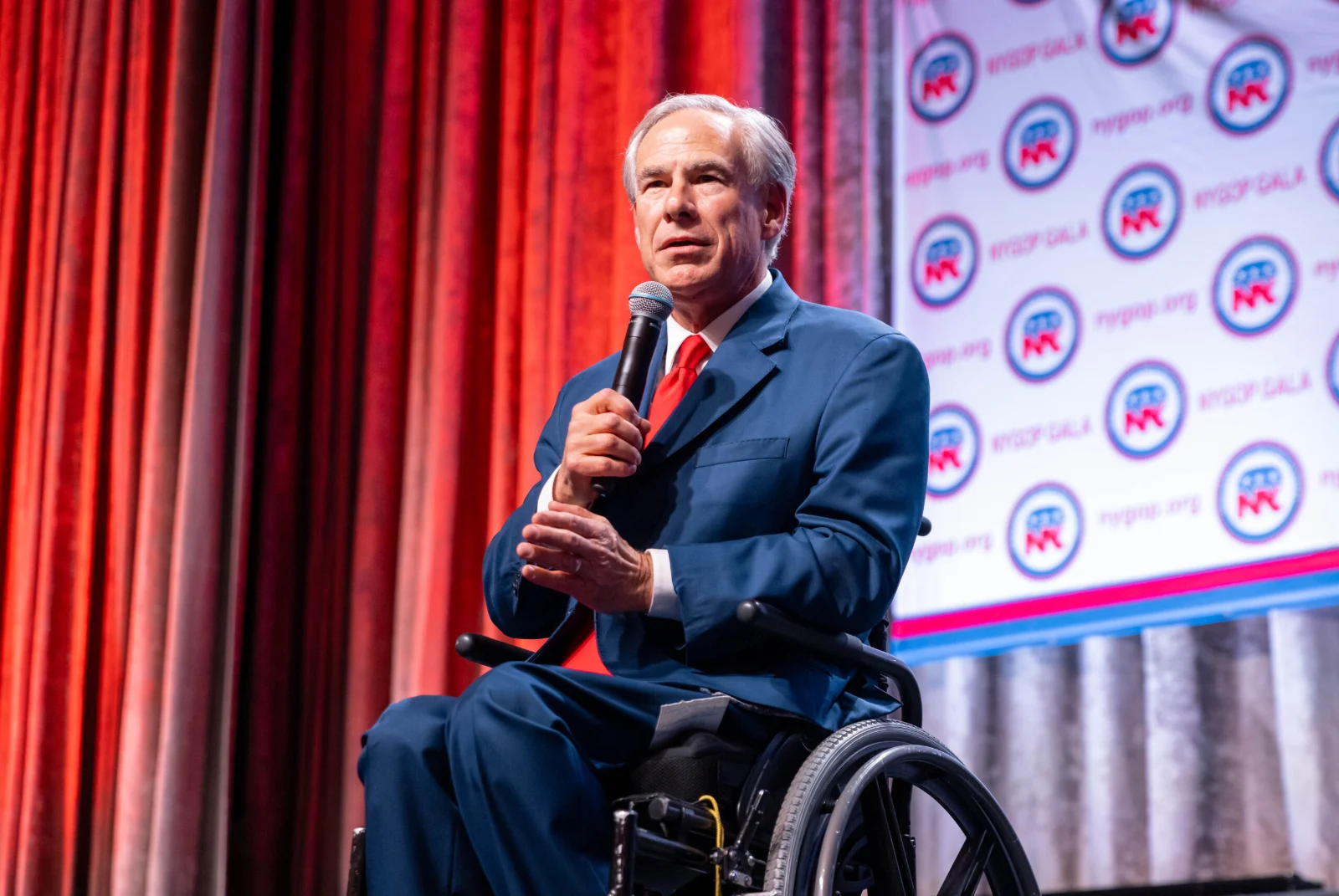
One of the affected initiatives is the proposal promoted by the Republican governor, which promoted higher salaries for well-performing teachers.
The state Education Commissioner, Mike Morath, defended the 2023 intervention in the Houston Independent School District (HISD), which he described as one of the greatest positive changes in American educational history. According to his figures, the percentage of students who reached the expected level in reading and math increased from 39% to 51%, among approximately 170,000 students.
Although researchers acknowledged that it is still early to determine the definitive impact of the intervention, they noted that attention to the schools with the greatest difficulties and the increase in teacher compensation seem to be producing favorable results.
The conflict also extends to the $1 billion school voucher program, approved by Abbott in May 2025. The initiative allows families to use public funds to finance private education and began operating this year, with approximately 110,000 beneficiaries among more than five million students in Texas.
''The days when families were limited to the school assigned by the government are over,'' Abbott declared when signing the legislation, highlighting that the measure gave parents greater decision-making power.
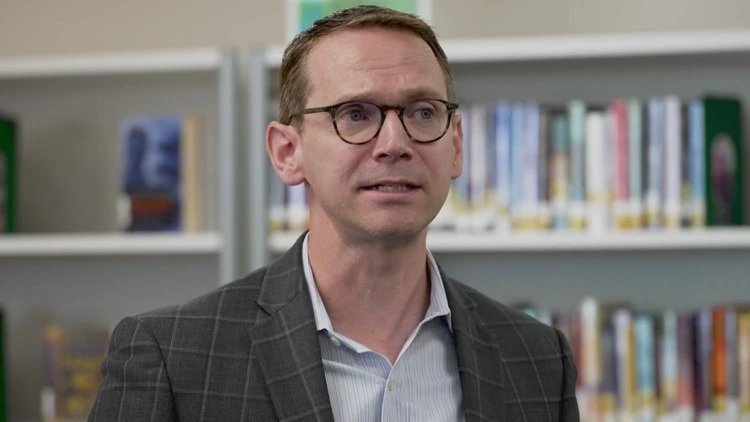
Mike Morath has been a strong supporter of the Republican state government's education initiatives, and now he is at risk of being impeached by the Democrat
Hinojosa intends to eliminate the program or reduce it to the point of making it unrecognizable. Democratic legislator Diego Bernal acknowledged that some Republicans had reservations about the initiative and anticipated that it would hardly survive without profound modifications. ''I guarantee that this program will not remain intact and will likely be unrecognizable, if it does not disappear completely,'' he stated.
The elected governor also intends to remove Morath, deepening the political shift in the state's educational leadership.
The rollback on school choice would be particularly significant in a context of growing national interest in these initiatives. The number of elementary and secondary students benefiting from private school choice programs in the United States increased from less than 600,000 in 2020 to 1.2 million in 2025. Donald Trump also supported educational choice through an executive order signed in January 2025.