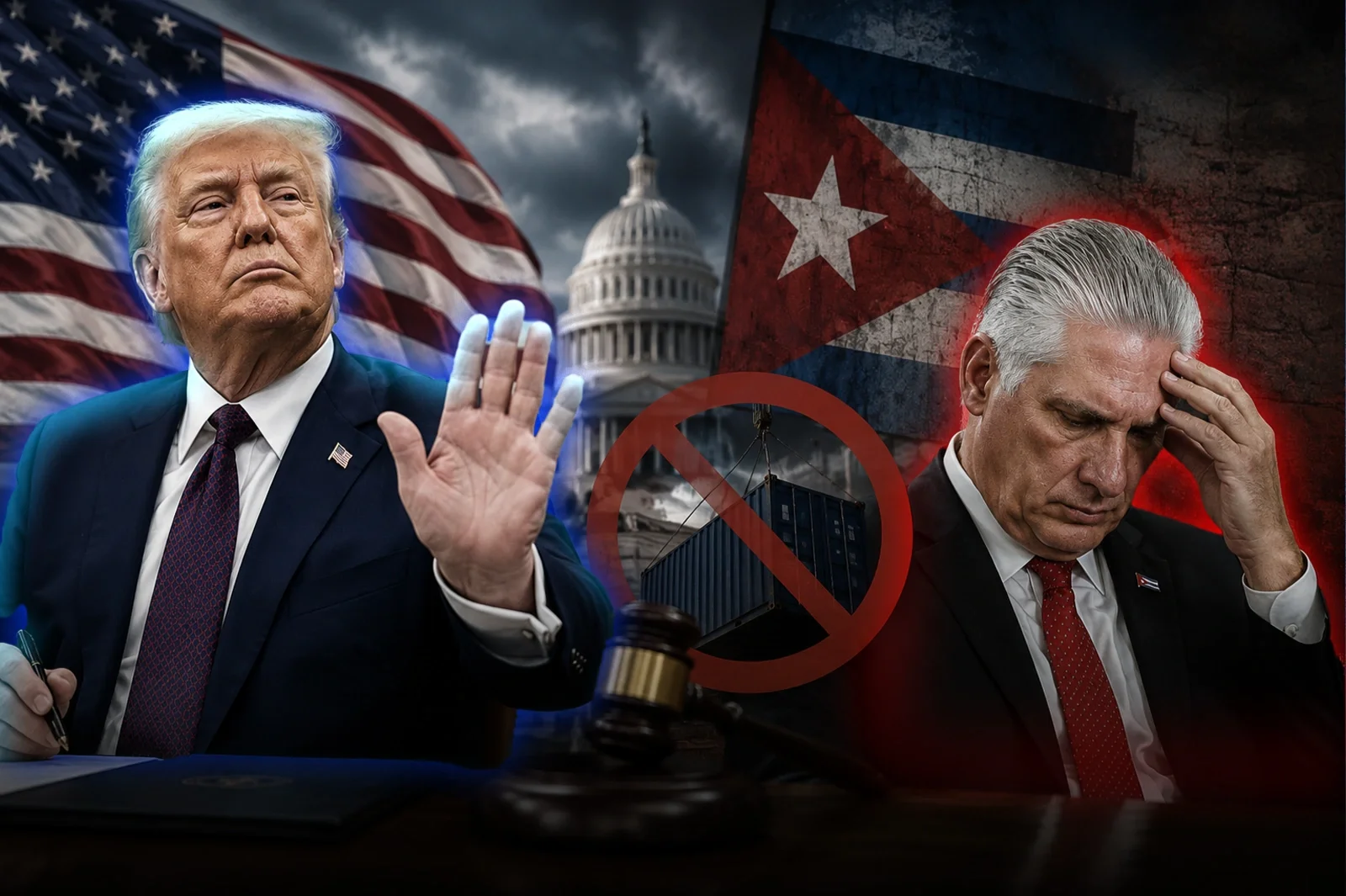

The United States announced this Thursday a new expansion of sanctions against the Cuban dictatorship by including the leader Miguel Díaz-Canel, members of his family, and direct relatives of Raúl Castro on a list of individuals subject to economic restrictions, in a measure that increases pressure from Washington on the island's ruling elite.
The Treasury Department reported that the Office of Foreign Assets Control (OFAC) has once again added Díaz-Canel to its list of sanctioned individuals and extended the measures to his wife, Lis Cuesta Pedraza; his stepson, Manuel Anido Cuesta; Alejandro Castro Espín, son of Raúl Castro; and Raúl Alejandro Castro Calis, grandson of the former Cuban leader.
The sanctions involve the blocking of any assets or property that those affected may own in U.S. territory or under U.S. jurisdiction. Furthermore, U.S. citizens and companies are prohibited from conducting transactions with the individuals included on the list, unless specifically authorized by the federal government.
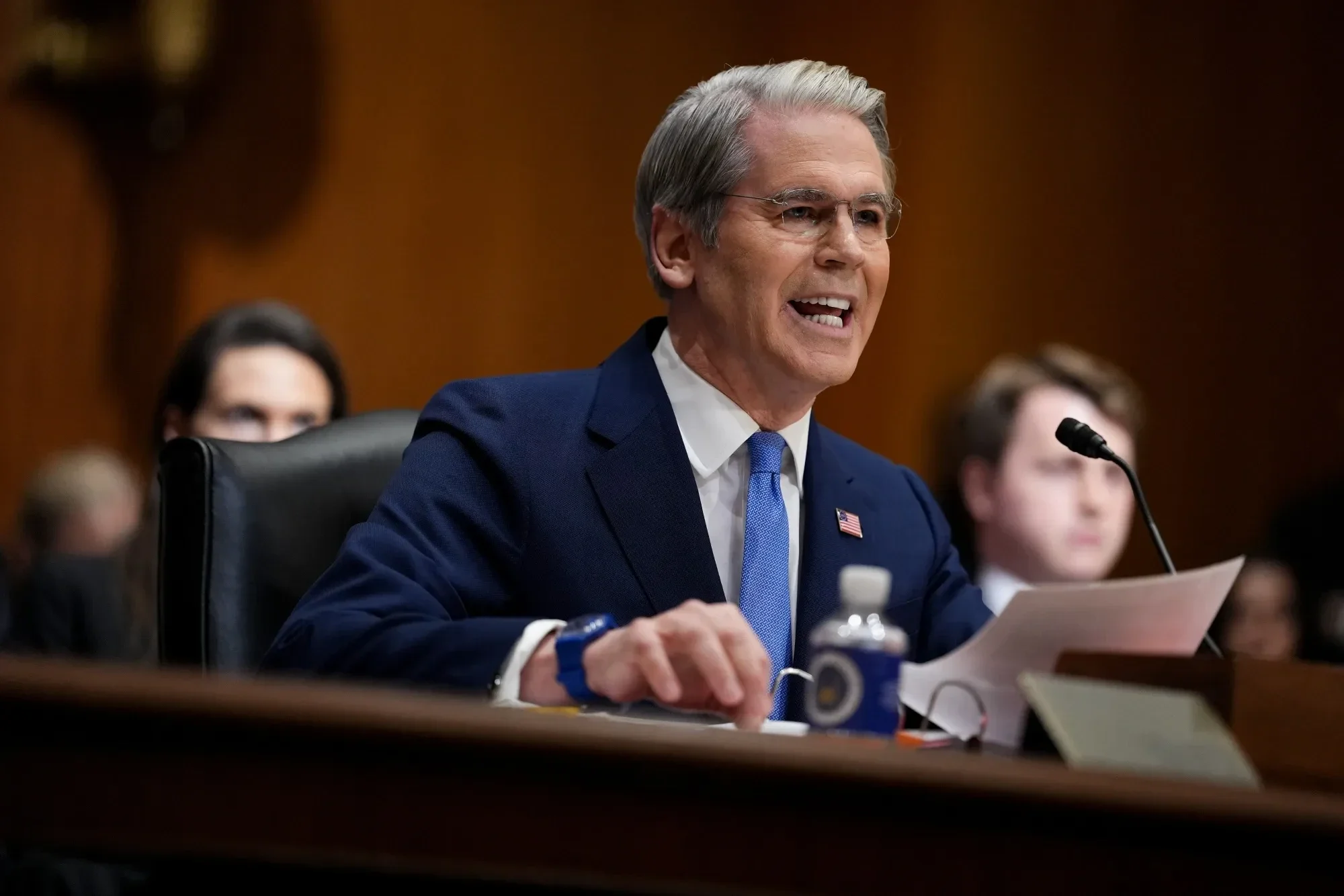
The decision constitutes an expansion of existing measures against Cuban leaders and reflects Washington's intention to increase pressure not only on state officials but also on individuals considered part of the closest circle to political power in Havana.
According to the Treasury Department, the sanctions were adopted under Executive Order 14404, a mechanism used by the United States to impose financial restrictions on individuals and organizations linked to the Cuban government.
In addition to personal sanctions, Washington added five Cuban entities to its blacklist. Among them is the Ministry of the Revolutionary Armed Forces (MINFAR), considered one of the most influential bodies within the Cuban state structure.
The Committees for the Defense of the Revolution (CDR), the Cuban Institute of Friendship with the Peoples (ICAP), the company Minera La Victoria S.A., and the travel agency Amistur Cuba S.A. were also sanctioned.
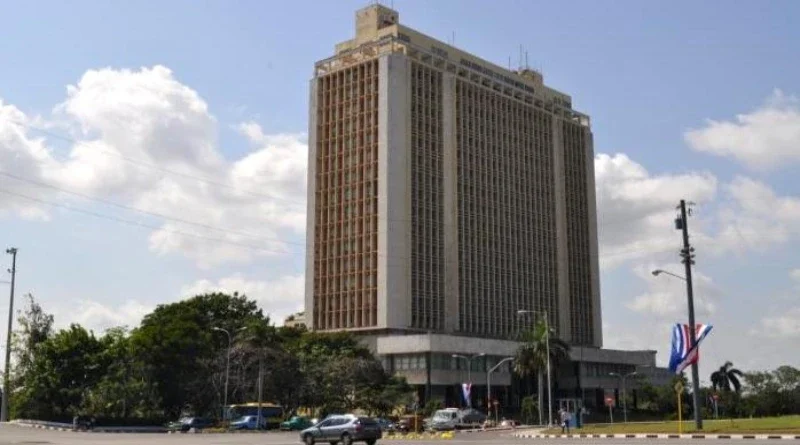
As a result, all properties and interests of these entities located in the United States or under the control of U.S. citizens are blocked. Additionally, any commercial or financial operation with them is prohibited without prior authorization from U.S. authorities.
The measure is part of a broader strategy pushed by the administration of President Donald Trump in recent months. In May, Washington had already imposed sanctions against Cuban officials linked to intelligence agencies, military structures, and communication entities.