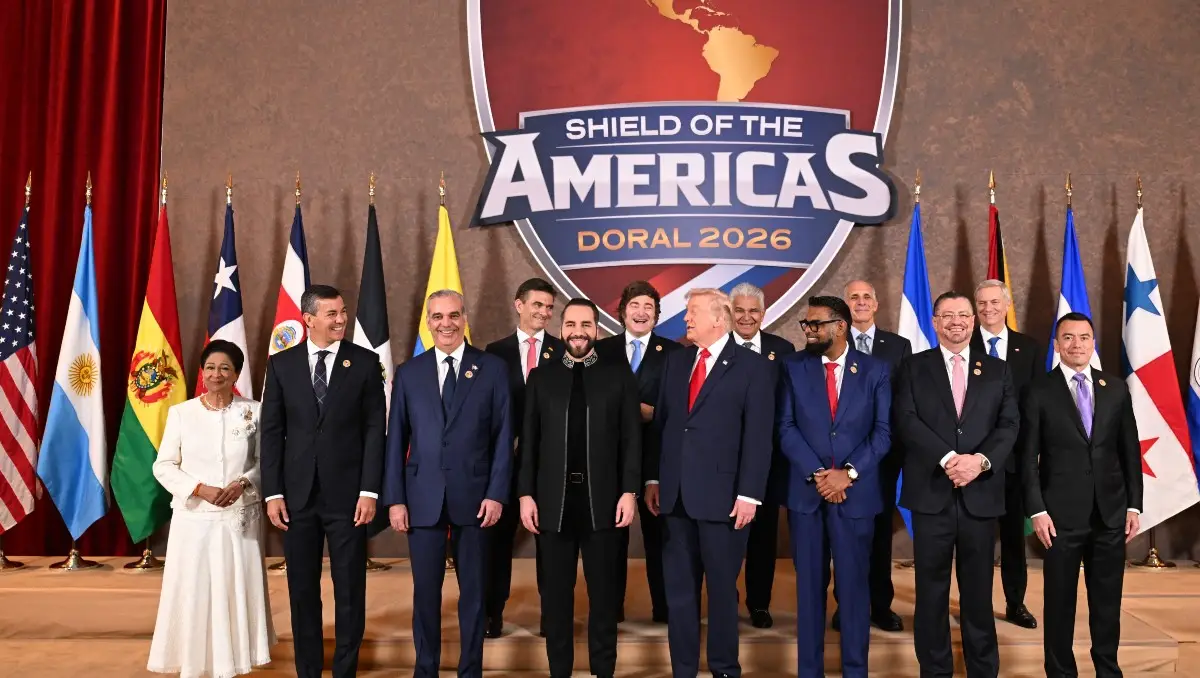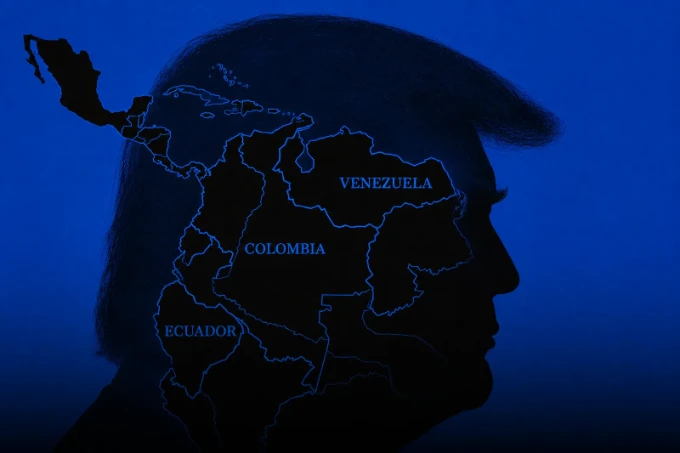

The political influence of Donald Trump in Latin America is experiencing its most powerful moment in history, with a string of electoral victories for right-wing leaders supported by the U.S. president.
Since he came to power, seven presidential elections in the region have been won by candidates close to his agenda, consolidating a political shift that ends decades of leftist government dominance.
The most recent case occurred in Colombia, where Abelardo de la Espriella, a lawyer and businessman, defeated the communist senator Iván Cepeda.
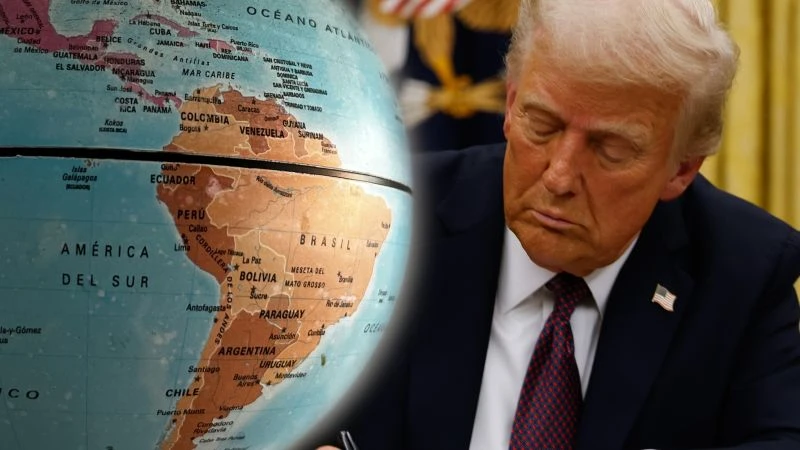
After his victory, celebrated in front of thousands of supporters, the elected president promised to govern “with an iron fist against the corrupt, the unpunished criminals, and all those who threaten the existence of Colombia.” His speech, focused on order and security, aligns with the political line that characterizes both Trump and his allies in the region.
This pattern is repeated in various Latin American countries, where new leadership has come to power with proposals centered on strengthening security, combating organized crime, and defending free market economies.
These policies not only respond to internal demands but also reinforce cooperation with the United States on key issues such as immigration and drug trafficking.
“Tough on Crime” Policies
In a regional context marked by an average homicide rate of 17.6 per 100,000 inhabitants, governments aligned with Trump have promoted “tough on crime” strategies as the central focus of their campaigns and future administrations.
In this regard, De la Espriella announced the construction of 10 maximum-security mega-prisons, the increase of the military budget, and the capture or elimination of cartel leaders in his first months in office.