
La Derecha Diario logo
ESX logoInstagram logoYouTube logoTikTok logo
ARGENTINABOLIVIAECUADORISRAELMEXICOURUGUAY
  • ESXInstagramYouTubeTikTok
  • Secciones
  • ARGENTINA
  • BOLIVIA
  • ECUADOR
  • ISRAEL
  • MEXICO
  • URUGUAY
  • Países
  • La Derecha Diario logoLA DERECHA DIARIO
  • La Derecha Diario México logoLA DERECHA DIARIO MÉXICO
  • La Derecha Diario Uruguay logoLA DERECHA DIARIO URUGUAY
  • La Derecha Diario Ecuador logoLA DERECHA DIARIO ECUADOR
  • La Derecha Diario Bolívia logoLA DERECHA DIARIO BOLÍVIA
  • La Derechadiario República Dominicana logoLA DERECHADIARIO REPÚBLICA DOMINICANA
  • La Derecha Diario Israel logoLA DERECHA DIARIO ISRAEL
  • La Derecha Diario Estados Unidos logoLA DERECHA DIARIO ESTADOS UNIDOS
  • Temas
  • GUERRA EN IRÁN
  • El Diario
  • QUIENES SOMOS
  • AUTORES
  • PUBLICIDAD
  • DONAR

Expensive gasoline: the perfect pretext for populism... or the opportunity to do it correct

Expensive gasoline: the perfect pretext for
populism... or the opportunity to do it
correct
porEditorial Team
Mexico

The rise in oil shows the cost of intervening in prices and delaying a serious energy policy


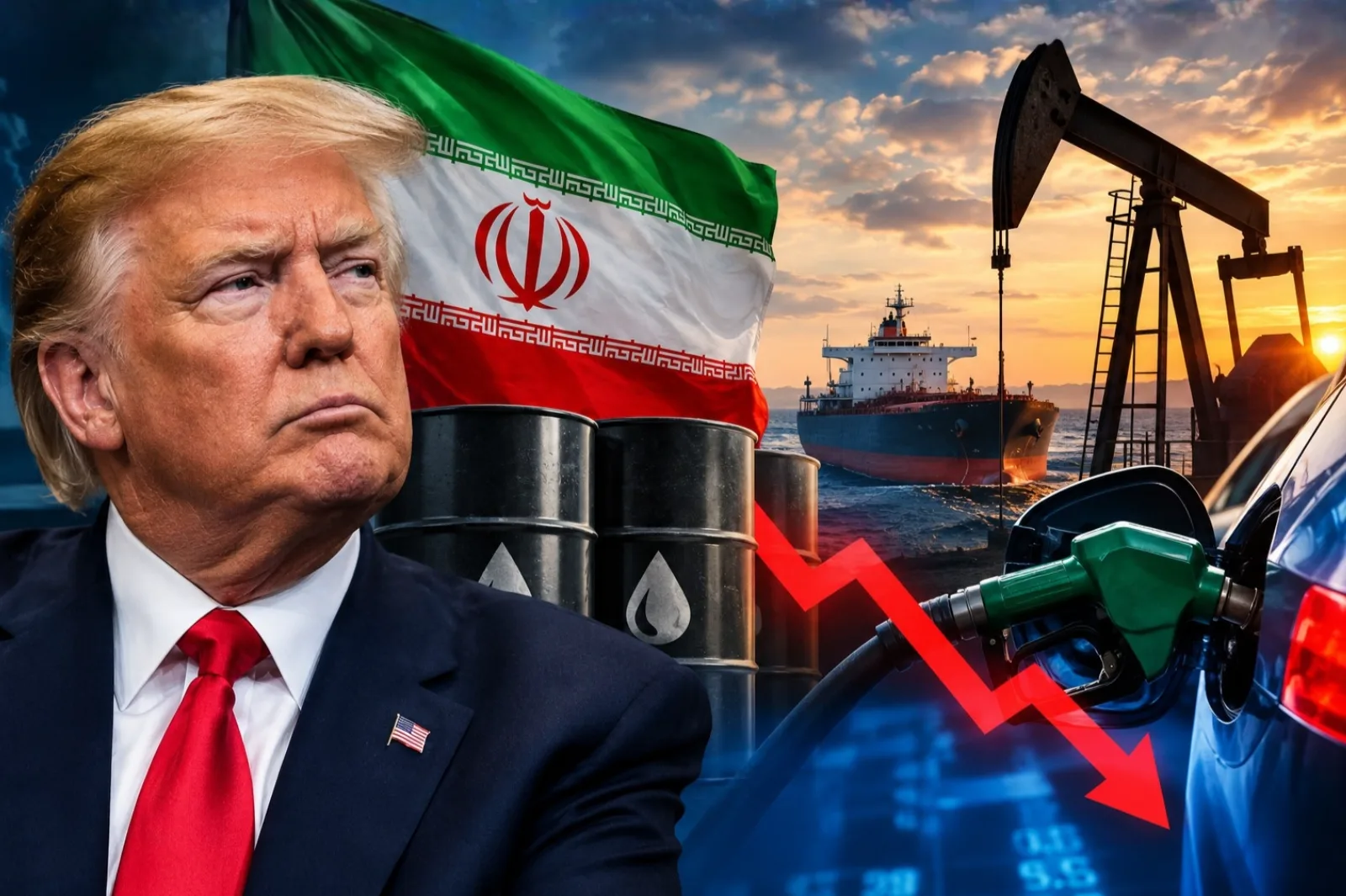
The war between Iran and the United States is not a distant conflict or a topic for international analysts. It is, in practical terms, a direct blow to the pocket of any Mexican who loads gas, pays for transportation or buys food. It's that simple.

And yes, oil has already surpassed $100 per barrel. It's not a hypothetical scenario. It has passed recently, with peaks above $110 at times of heightened tension. The Mexican mix has been pushing towards $90, and if the conflict escalates, it wouldn't be uncommon to see much higher levels.

And if the situation escalates, as analysts warn, the barrel could reach $150.

This is not a theory: it's already happening.

Diesel in Mexico has risen to 9% in some regions and gasoline is beginning to reflect the impact of rising global prices.

And here comes the structural problem: Mexico imports around 70% of the gasoline it consumes. In other words, they are the natural movements of the international market... but with a government that insists on behaving as if it could control prices by decree and even the world

.

The populist answer: politically cheap, economically very expensive The

Morena manual is predictable if the price of fuel increases: speeches, controls

and subsidies.

First of all, the classic: reducing or suppressing the IEPS. Nowadays, up to 6.70 pesos are included in the price of each liter of gasoline as a tax. Eliminating that tax seems tempting... until you understand that it would mean less income for the State or more debt, a tax that could well be repealed if we had healthy finances, not full of pollution such as corruption and the enormous debt we face. This would be the ideal public policy.

Second, the famous “voluntary agreements” with gas stations. What if they don't rise so much, what if they align, what if “for the good of the country”. In practice, it's political pressure in disguise. It's not serious public policy. It's basically: you lower it or we'll see what we find in the next audit.

Third, generalized subsidies. In other words, everyone — rich and poor — should receive artificially cheap gasoline. A regressive, fiscally irresponsible and economically distorting measure

.

The result? Exactly what the evidence shows: when you reduce indirect taxes in imperfect markets, the reduction doesn't fully reach the consumer. That is, the government loses money and you continue to pay dearly

.

The real cost: inflation, debt and structural mediocrity

The increase in the price of fuel is not an independent problem. It's fuel for the entire economy.

In Mexico, 80% of cargo transportation is carried out with diesel. The increase in the price of diesel translates into an increase in all other prices: those of food, logistics, transport and services

.

This is the typical beginning of inflationary pressures, something very close to inflation as such and just as serious.

And in the meantime, the government is entering into an absurd contradiction: on the one hand, it presumes higher oil revenues when crude oil rises; on the other, it burns them subsidizing gasoline to contain social anger.

It's like filling a leaking tank everywhere. In other words: they celebrate extraordinary incomes, while ruining them through political decisions

.

What should be done (but they don't dare)

This is where comfortable politics is separated from responsible politics

.

First, stop subsidising in a generalized way. If the price goes up, it must be reflected. What does make sense is to directly support those who resent it the most, not to distort the entire market


.

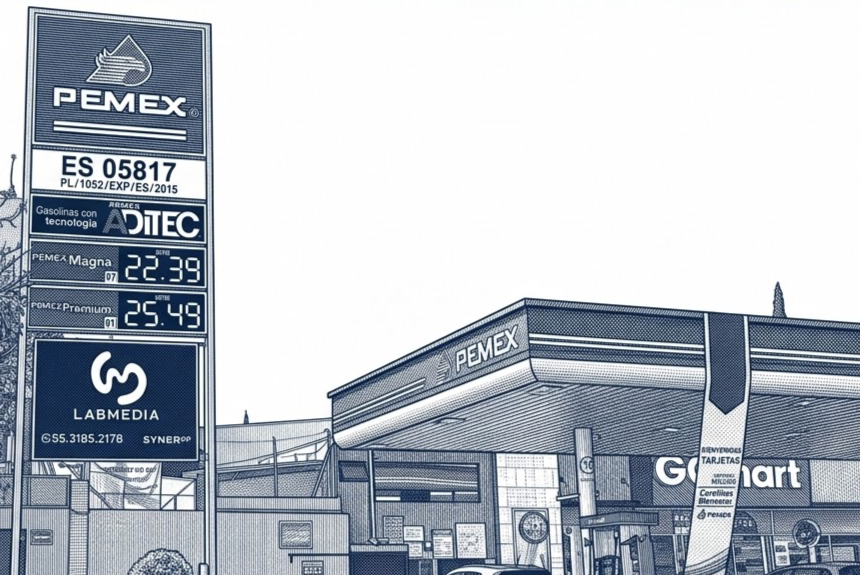
Second, to truly open up the energy sector. Real competence in import, distribution and refining. Today, Pemex's dominance is not lowering prices or improving efficiency. On the contrary.

Third, diversify. Continuing to bet everything on oil in the middle of 2026 is not energy sovereignty, it's stubbornness. Gas, renewables, electrification: it's not ideology, it's economic strategy

.

Fourth, stop obsessing over producing everything in-house at any cost. If the international market offers better conditions, they are taken advantage of. This is how any economy that wants to grow works.

The uncomfortable reality

Gasoline doesn't rise because of businessmen, or “speculators”, or “imaginary neoliberals

”.

It goes up because the world is in an energy war.

But in Mexico it hurts more because we have been making wrong decisions for years: destroying competition, idolizing state monopolies and using energy policy as an electoral tool.

Conclusion: Time to stop lying

The government has two options:

1. Continue to deceive with subsidies, controls and discourse, while deteriorating public finances

.

2. Or face reality: open the market, stop intervening in prices and build a modern energy policy

.

The first option wins applause. The second builds a country.

But as is customary, what is easy sells and what is right makes you uncomfortable.

And Mexico, once again, is paying the price.


Asael Polo Hernández

Economist from the Autonomous University of Mexico (UNAM), specializing in economic policy, public policies and banking finance with certification

from the AMIB.

Economic researcher for MXLib on issues of the economic and political situation. Economic analyst in the Chamber of Deputies and banking personnel instructor for various multiple banking institutions.


Noticias relacionadas

Morena official linked to alleged criminal: Harfuch tries to distance himself

Morena official linked to alleged criminal: Harfuch tries to distance himself

RSF: Mexico will end 2025 as the second most dangerous country for journalists

RSF: Mexico will end 2025 as the second most dangerous country for journalists

Altagracia Gómez: from Chavismo's food pantries to the corn business with the government of Mexico

Altagracia Gómez: from Chavismo's food pantries to the corn business with the government of Mexico

Israel eliminates Ali Larijani, one of the most powerful men in the Iranian regime

Israel eliminates Ali Larijani, one of the most powerful men in the Iranian regime

The regulatory illusion in the face of artificial intelligence

The regulatory illusion in the face of artificial intelligence

Uber will invest $500 million in Argentina after a meeting with the Milei Government

Uber will invest $500 million in Argentina after a meeting with the Milei Government

La Derecha Diario logo
TwitterInstagramYouTubeTikTok

Nosotros

  • Quienes Somos
  • Autores
  • Donar

Privacidad

  • Protección de datos
  • Canales
  • Sitemap

Contacto

  • info@derechadiario.com.ar
PUBLICIDAD