The Port of Montevideo accumulated more days with operational interruptions due to union measures than those that can be attributed, in the same time frame, to sustained closures of two terminals working under fire: Izmail, in the Ukrainian Danube, and Haifa, in the Israeli Mediterranean. This figure is not provided by a columnist. It comes from the survey by the Union of Exporters of Uruguay (UEU): 35 days with episodes of interruption in 2025 and 40 between January 1 and September 8, 2026. In all of 2025, the maximum was concentrated in October. In 2026, the peak was in June.
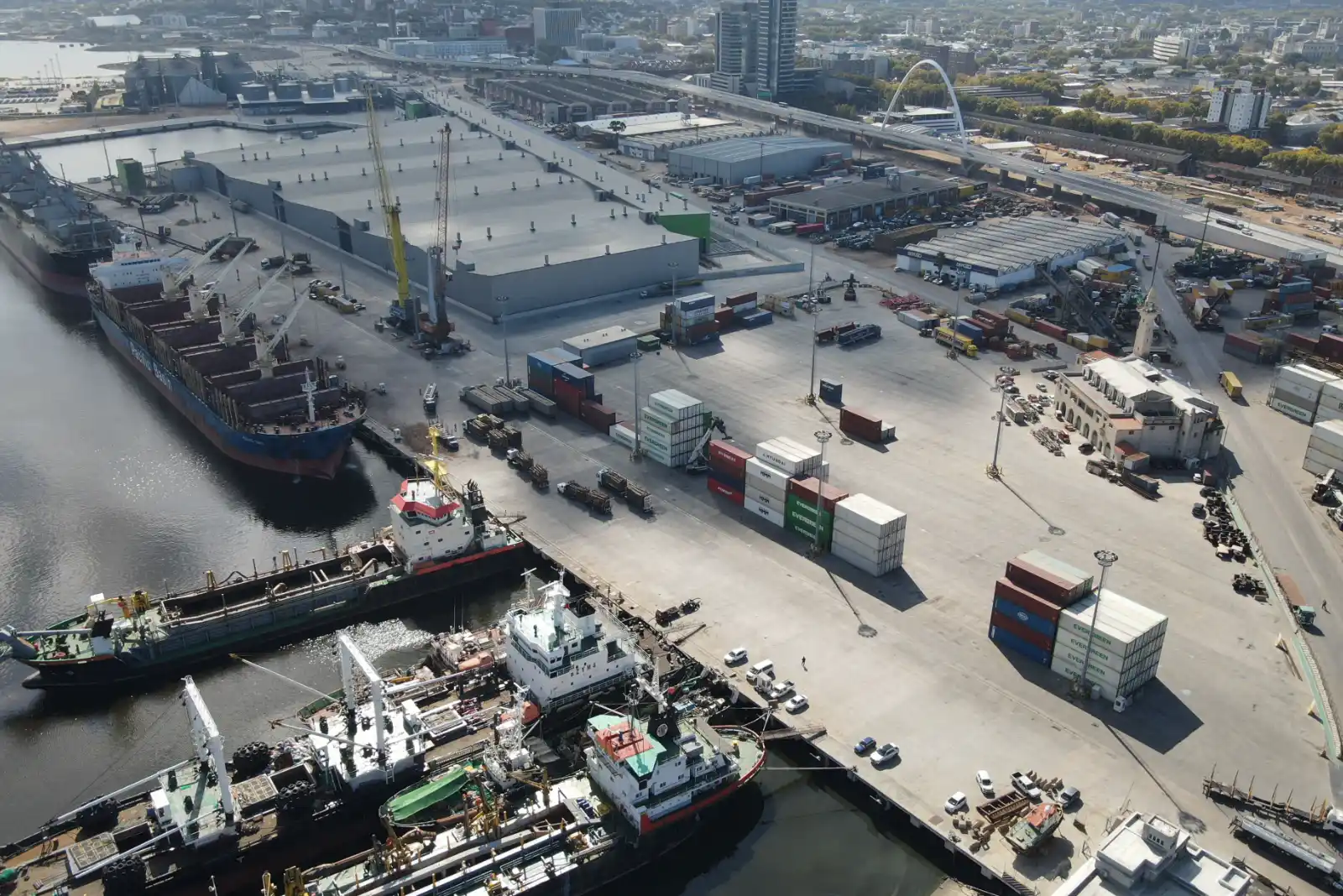
This does not mean that the entire port shuts down for 40 consecutive days. The government reminds this every time the opposition calls for essentiality. The Secretary of the Presidency, Alejandro Sánchez, clarified that there were not "35 days of port activity stoppage," but days with "various measures," and, in the official count, about 175 or 178 hours of paralysis. The distinction is real. So is the effect: when the Terminal Cuenca del Plata (TCP) —80% Katoen Natie, 20% ANP— goes to a "insufficient" union guard, a ship moves eight or ten containers per hour, the empty yard is left without people, and trucks wait up to 18 hours. The Intergremial of Cargo Transport estimated losses of billing from US$ 400,000 to 500,000 per day. In October 2025, seven days of conflict were enough for the UEU to talk about more than US$ 60 million.
The comparison with war is not literary. It is operational.
Izmail continues loading with drones overhead
Izmail became a pressure valve when Russia blocked the ports of Greater Odesa. It then returned to being a backup route, not a luxury: traffic on the Danube fell when deep-water ports reopened, but the port did not close. What it receives are attacks. Drones over warehouses, damaged civilian ships, power outages, air alerts that in August 2026 totaled, in the Odesa region, 300 warnings and 238 hours. There are queues of up to 80 ships in the Sulina canal and waits of 14 to 17 days. There are fires and battered docks. What there isn't is a permanent assembly that decides, on a Monday at 7:30, that the terminal operates at half capacity until further notice. Ukrainian authorities often repeat the same phrase after each wave: operations "remain stable." It is not brochure heroism. It is that the cost of stopping the corridor is, literally, wartime.
Haifa also did not take the day off
Haifa, Israel's main port, operated during the war with Hamas, Hezbollah missiles, and exchanges with Iran. There were restrictions on dangerous cargo, lines that cut stops —Maersk and Hapag-Lloyd even paused or reduced services in June 2025— and a close impact on the Bazan refinery. Eilat was indeed commercially mortally wounded by the Houthi blockade. Haifa was not. Reports from operators and the port authority itself agree on the same: ships docking, cranes in motion, tightened security protocols, continuity. A missile nearby is not a 48-hour stoppage due to secured wages. It is another risk regime. And yet, the port has not gotten used to interrupting trade as a method of negotiation.
What is being discussed in Montevideo is not the existence of the union
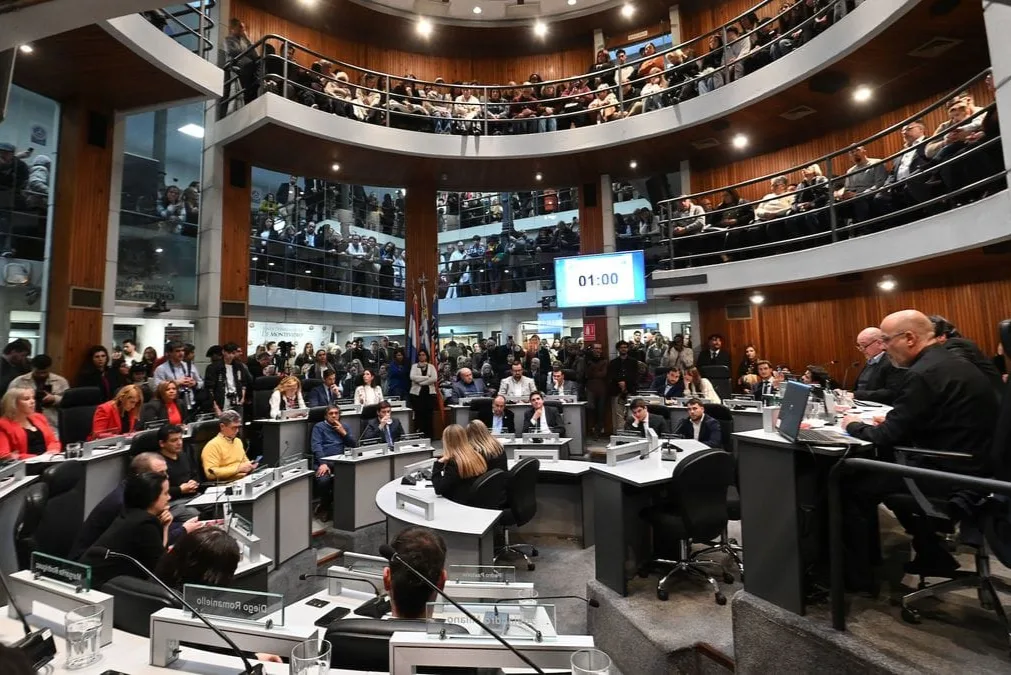
The conflict of 2026 revolves, once again, around the collective agreement of about 550 TCP workers. The union demands job stability, regulation of time off, and, at different stages, reduced hours without loss of salary. It denounces that salaries have been tied to minimums from over 20 years ago and that the works to turn Montevideo into a regional hub have not arrived. The company claims it has presented improvements, that the assembly valued them, and that the unilateral guard is not enough to operate. The Ministry of Labor mediates. The Deputy Minister Hugo Barretto asked to "take with naturalness" the disruption caused by a strike. In the Senate, members like Javier García and Sebastián Da Silva spoke of dozens of days, of "20 or 30 unionists" measuring the government's temperature and essentiality. The ruling party responds that the rest of the port is functioning and that the parties are "close."
That "close" was already used in October 2025, when the conflict over the Navis N4 software —the union feared job losses; the company said the system runs in 300 ports— left the terminal intermittent for 25 days. It was signed. The Salary Council returned. Assemblies returned. The truck in line returned.
Additionally, there is a political layer that El País and other media have described without euphemisms: the port is one of the last significant territories of the Socialist Party within the union map, in tension with the MPP that governs. It is not necessary to subscribe to the word "mafia" to register the pattern. Surprise measures, guards that do not cover operations, costs that are not paid by the leader who votes for the strike but by the exporter who loses the docking window, the transporter who sleeps on the waterfront, and the country that sells the idea of being predictable.
The question raised by the number
A day of interruption in Montevideo is not the same as a day of attack in Izmail. One is a constitutional right exercised as leverage. The other is a war crime against civilian infrastructure. Confusing them would be in bad faith. Comparing the result on the logistics chain is not.
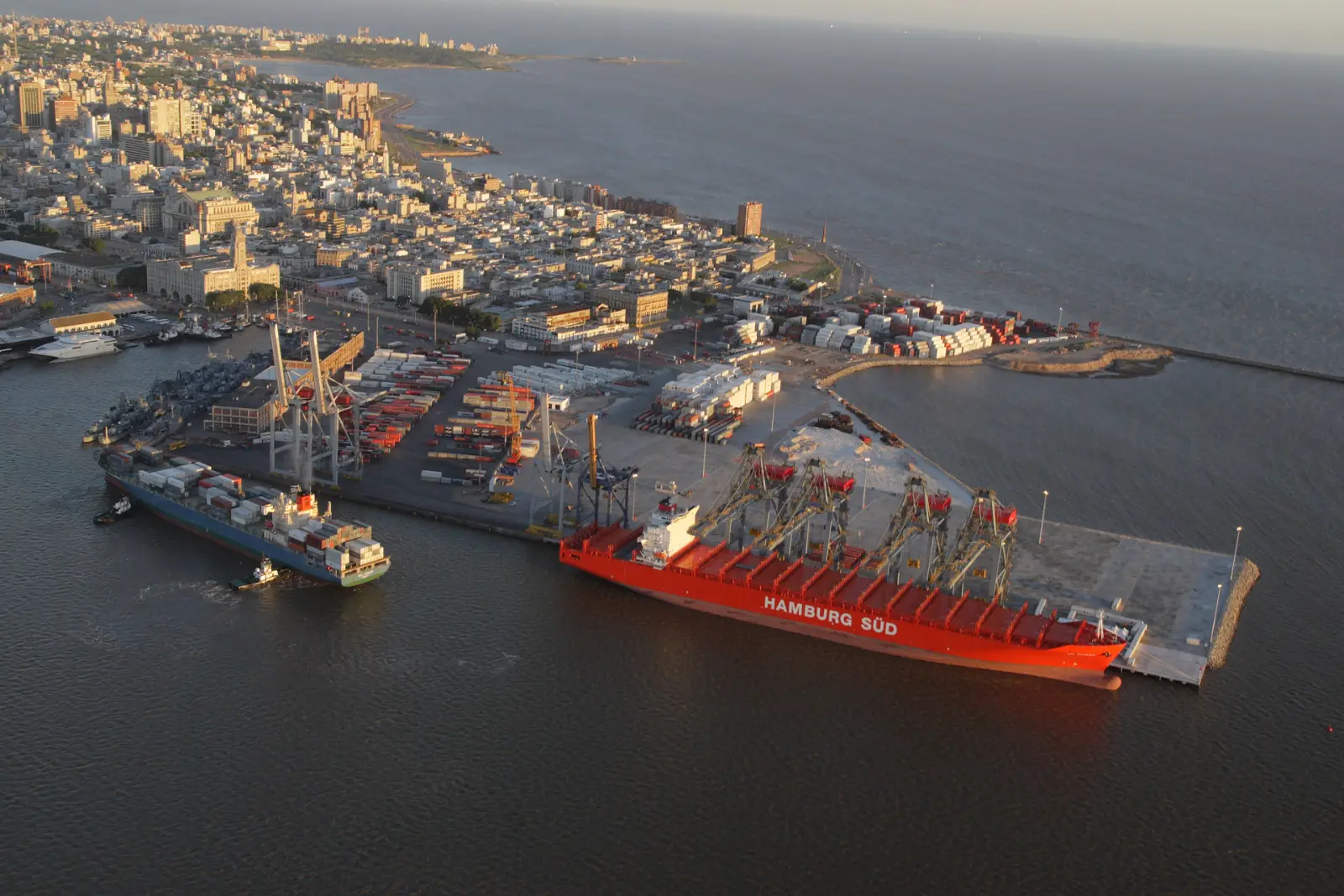
Uruguay is not at war. It has a port that concentrates the bulk of containerized foreign trade and a conflict that, measured in days with episodes, has already surpassed the previous year before the end of September. Ukraine moves grain with sirens. Israel moves containers with interceptors in the air. Montevideo discusses whether 25 monthly wages and a "for an indefinite time" guard justify the main node of the country operating worse, in regularity, than two terminals that wake up counting drones.
The "mafia" in the title is a heavy metaphor. The data is not. A small country that lives off exports cannot afford for its main gateway to the world to have more days of labor turmoil than those that war imposes on those who are indeed under fire. If the government believes that the disruption should be taken with naturalness, the numbers from the UEU, from transporters, and from the lost docking windows say otherwise: the exceptional has become routine. And routine, in a port, is the quietest way to lose a country.