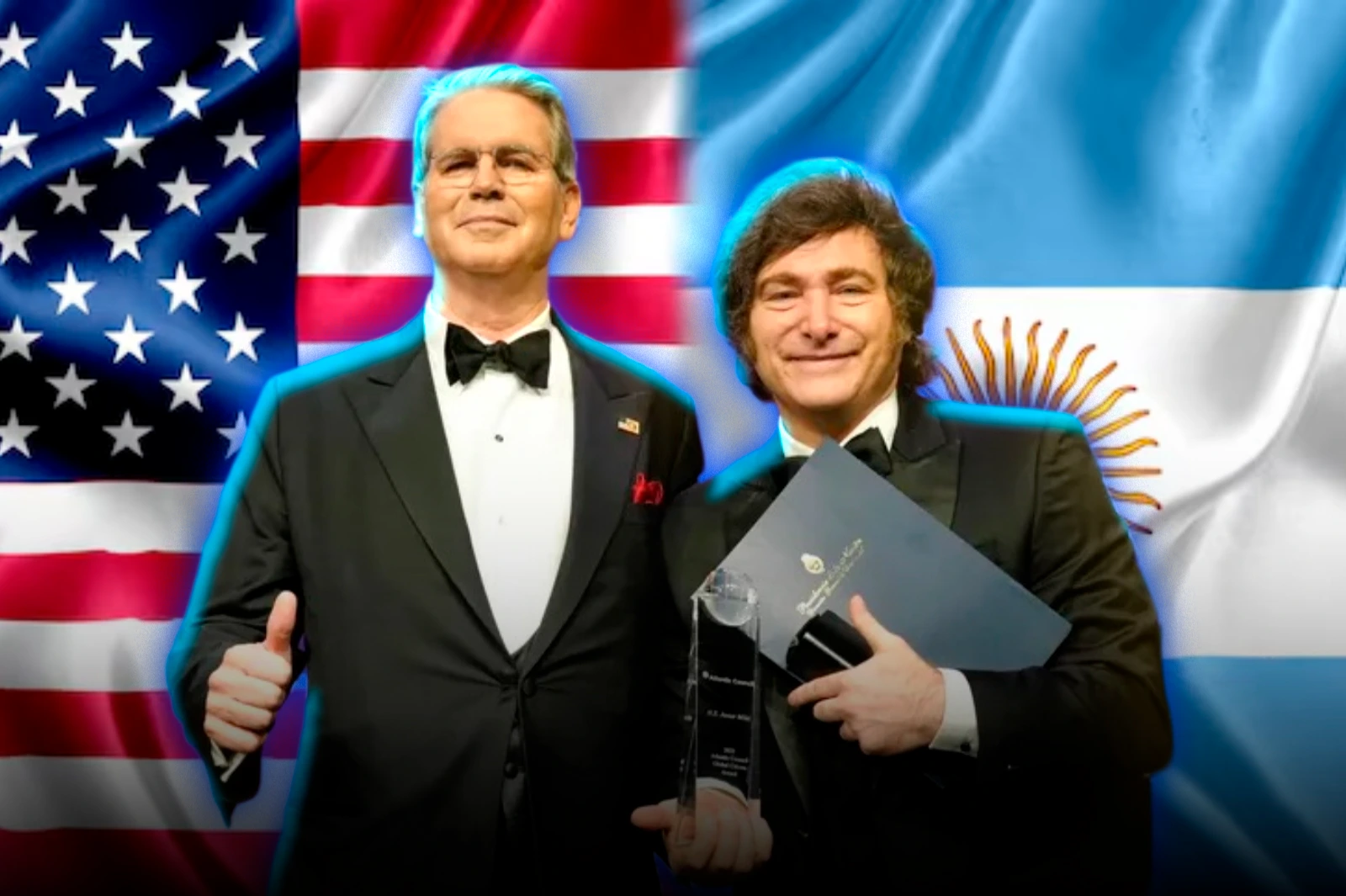
There was no magic, marketing or smoke. What was seen at the “Argentina Week” in New York was not a successful image operation or a well-executed financial seduction campaign. It was something much deeper. The business interest that Argentina aroused was not born from a slogan, but from a much stronger signal: the perception that the country is finally beginning to emerge from a regime of privileges and once again become an order based on property, predictability and economic freedom. The event was inaugurated by Javier Milei on March 10, 2026 in New York, and the Casa Rosada itself presented it as a call to show the reformist direction of the Government
.That is the key point that many still do not fully understand. Serious capital doesn't fall in love with sympathetic speeches or empty promises. Capital observes incentives, institutions, and behavioral signals. And what the world began to see in Milei's Argentina is that the old logic of legalized looting no longer rules, at least with the impunity of before. For years, Kirchnerism and its satellites sold a toxic fiction: that development consisted of punishing those who produce, shielding the prebendary businessman, shutting down the economy, multiplying regulations and distributing favors from power. The result was exactly the opposite of what was promised: less investment, less productivity, lower real wages and more corruption
.That's why the presidential speech in New York had a special force. Milei didn't present Argentina as an opportunity just because. He presented it as an opportunity because the Government put one principle above all others: not every instrument of policy is morally acceptable. And when power violates property, manipulates prices or uses the State to manufacture privileges, sooner or later it destroys prosperity. That was the conceptual architecture of his exhibition: first what was fair.
That is the decisive difference with the old regime. Kirchnerism never understood the economy as a system of cooperation between free individuals. He understood it as a toolbox for disciplining, extorting and transferring income to friends of power. When a government prevents importation, sets artificial barriers or protects unviable sectors with the verse of “national industry”, it is not defending Argentine labor. It is forcing millions of people to pay more to sustain privileged businesses. It is using state coercion to benefit the few and punish all. And when that structure becomes permanent, corruption ceases to be an anomaly: it becomes the system's natural lubricant