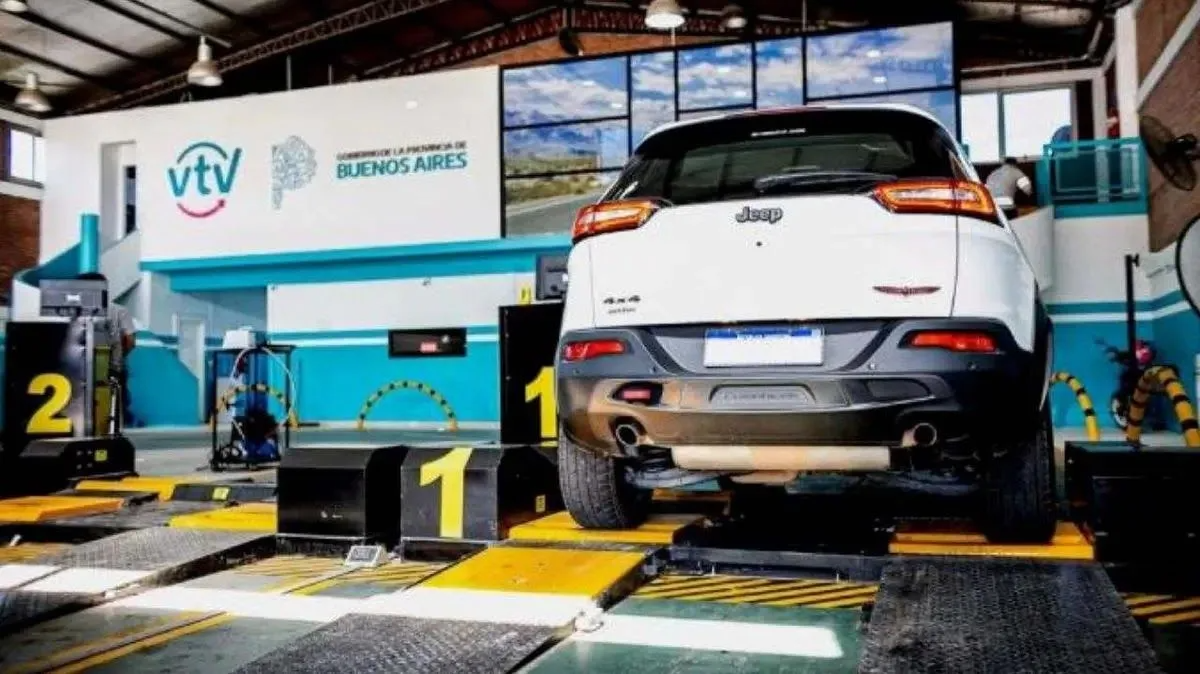
In this way, the largest district in the country will maintain the absurd scheme of annual controls for vehicles that are more than two years old, in contrast to the reforms of the national administration.
The decision was officially announced through the account on the social network X of the Buenos Aires TV, where it was reported that the system will continue to operate under the same current rules.
“The province of Buenos Aires confirmed that it does not adhere to the national modifications of the VTV, keeping its current system without changes in deadlines or requirements. The VTV is still mandatory and the annual review scheme is maintained for vehicles over two years old”, it was published in the official profile
. The VTV.
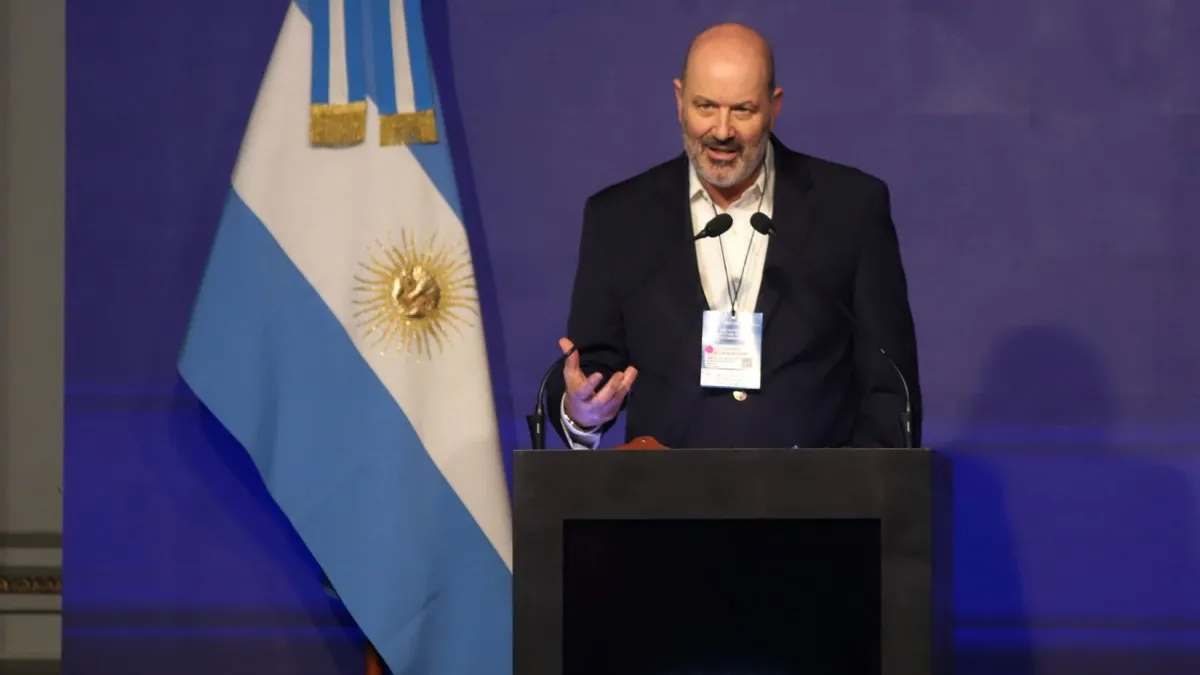
The position of the provincial government is in direct opposition to the changes promoted by the Minister of Deregulation, Federico Sturzenegger, who implemented a reform of the system to expand competition in the sector and extend the time between controls for newer vehicles
.
After learning about the province's decision, the national official reacted on social networks and launched political criticism when he reposted the official announcement. “Well... to keep that in mind when voting in 2027! ” Sturzenegger wrote
.
The reforms of the Milei Government
The reforms of the national Government were ratified this week after the Executive rejected a complaint submitted by representatives of the workshop sector who sought
to stop the changes.
The decision was formalized by Decree 139/2026, published on March 9 in the Official Gazette, with the signatures of President Javier Milei and the Minister of Economy, Luis Caputo.
The complaint had been filed against Decree 196/2025, which amended the regulations of the Traffic and Road Safety Act 24,449. Despite this presentation, the Government of Milei resolved to maintain the changes in the regulations, which introduce changes in the frequency of technical controls and in the structure of the system
. The Minister of Deregulation, Federico Sturzenegger.
One of the main axes of the reform is the new schedule of revisions for private vehicles. Under the scheme established by national regulations, zero-kilometer cars must carry out their first inspection only five years after patenting, instead of the three years that they were previously in
force.
In turn, vehicles up to ten years old must be checked every two years, thus extending the intervals between checks.
The official initiative also proposes modifications in the provision of the technical verification service. Until now, the control is carried out exclusively in plants enabled for that activity
.
With the new regulations, the service could also be offered by dealers, authorized workshops, verification centers and establishments that already carry out technical checks for cargo transport vehicles.
This scheme aims to generate greater competition within the system.
As Sturzenegger explained, opening up to new service providers would reduce costs for motorists and improve the functioning of the market.
The new regulations also establish that jurisdictional authorities will not be able to limit the number of workshops or set mandatory rates, which seeks to expand competition between providers.
In addition, the Executive confirmed the elimination of the Model Configuration Report (ICM), a measure that was presented as part of an administrative simplification process.