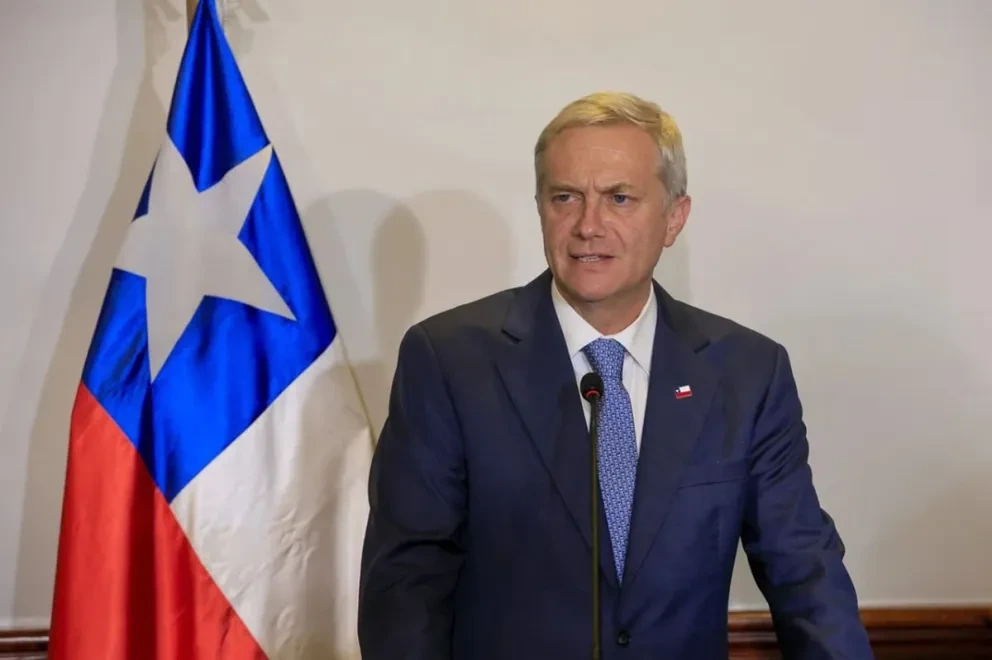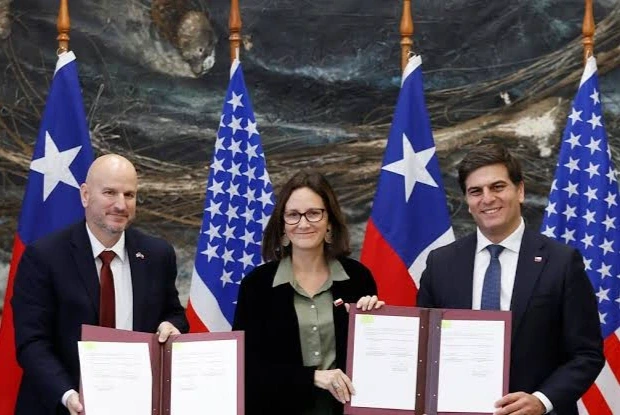

Chile and the United States took a key step in their bilateral relationship by signing an agreement to promote the development of critical minerals and rare earths, essential resources for the technology, energy and defense industries. The initiative is part of a broader strategy of the government of José Antonio Kast, aimed at consolidating ties with Western powers and positioning the country as a central player in the global market
for strategic raw materials.The agreement contemplates the development of joint mechanisms to strengthen supply chains, identify investment projects and improve cooperation in the extraction and processing of these resources. In addition, it includes the possibility of both public and private financing, which could accelerate the growth of the mining sector in Chile
.Critical minerals, such as lithium, copper and rare earths, are essential for manufacturing batteries, electric vehicles, advanced technology and military equipment. In this context, the United States seeks to ensure its access to these resources in a scenario of increasing global competition, especially in the face of China's dominance in the market.
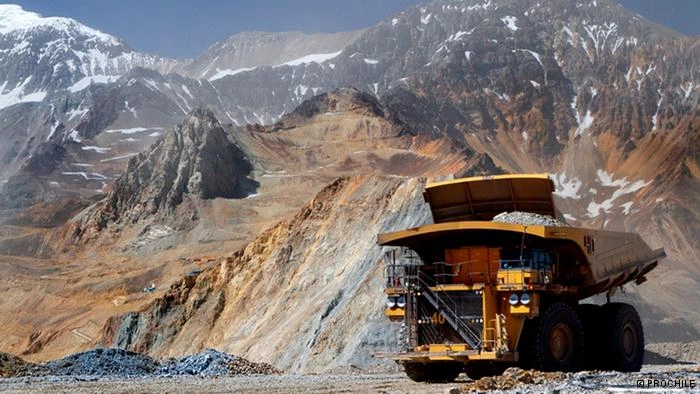
From a favorable perspective on the Chilean government, the agreement reflects a pragmatic foreign policy that prioritizes economic development and strategic insertion in the international arena. Unlike more ideologized approaches, the Kast administration is committed to concrete alliances that generate investment, employment and growth, taking advantage of the country's mining