The mechanism was as simple as it was effective: copper was mainly stolen from critical infrastructure, such as electrical networks, then processed to avoid traceability and finally transferred to the port of Iquique, from where it was shipped in containers to China.
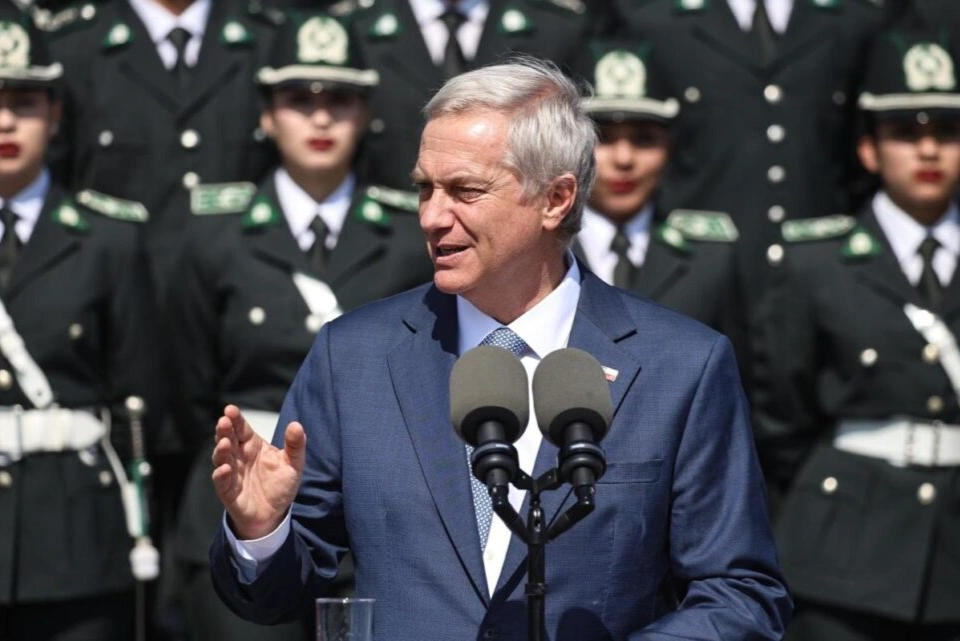
In an unprecedented operation, the authorities of the government of José Antonio Kast succeeded in dismantling the largest criminal organization dedicated to copper theft in the country's history, revealing the magnitude that this crime has reached in one of the most strategic economies in Latin America.
The so-called “Operation High Voltage”, carried out by the Investigative Police (PDI) together with the Public Ministry, Customs and the Internal Revenue Service, culminated in the arrest of 22 people after simultaneous searches in at least seven regions of the country.
The result of the operation was overwhelming: 187 tons of copper, more than 40 vehicles and weapons were seized, in addition to the intervention of dozens of companies and homes linked to the network.
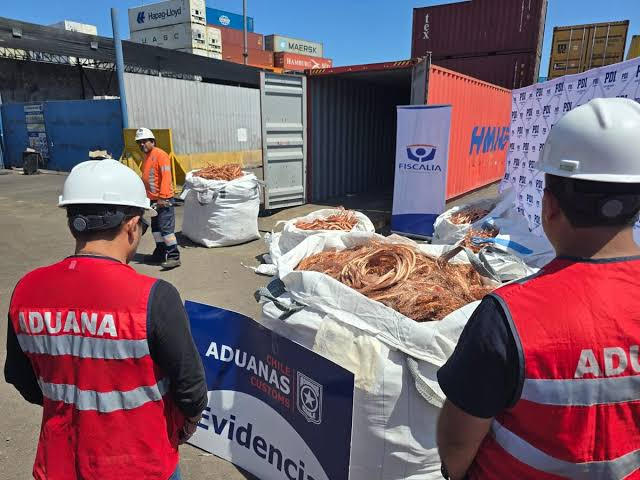
Copper being seized by Customs
But the most alarming thing was not only the volume seized, but the scale of the illegal business. According to investigations, the organization managed to move close to USD 917 million between 2020 and 2025, operating with a level of sophistication typical of international organized crime
The investigation also revealed a key business framework to sustain the operation. Through shell companies and junkyards, the band managed to launder the illegal origin of metal through false billing and tax maneuvers, thus integrating
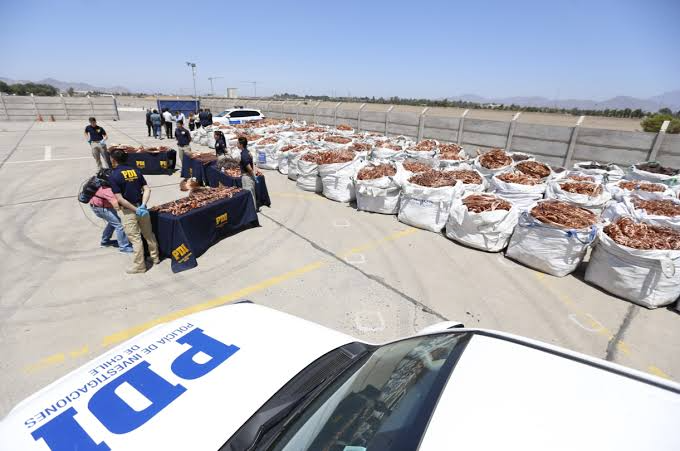
illegal money into the formal circuit. Tons of copper being seized by the PDI
Another relevant fact is the internal structure of the organization: at least two family clans were identified with a presence in different areas of the country, coordinated by intermediaries responsible for the transfer of copper from the south to the north for export
.
This case brings back to the table a growing concern: the advance of organized crime in strategic sectors. In a country like Chile, the world's leading copper producer, this type of crime not only involves millions of dollars in losses, but also directly affects essential services such as energy and telecommunications
.
The forcefulness of the operation shows that the Kast government is keeping its promises to confront complex criminal structures. However, it also highlights the enormous challenge of containing networks that operate with business logic, international connections and the capacity to infiltrate the formal economy