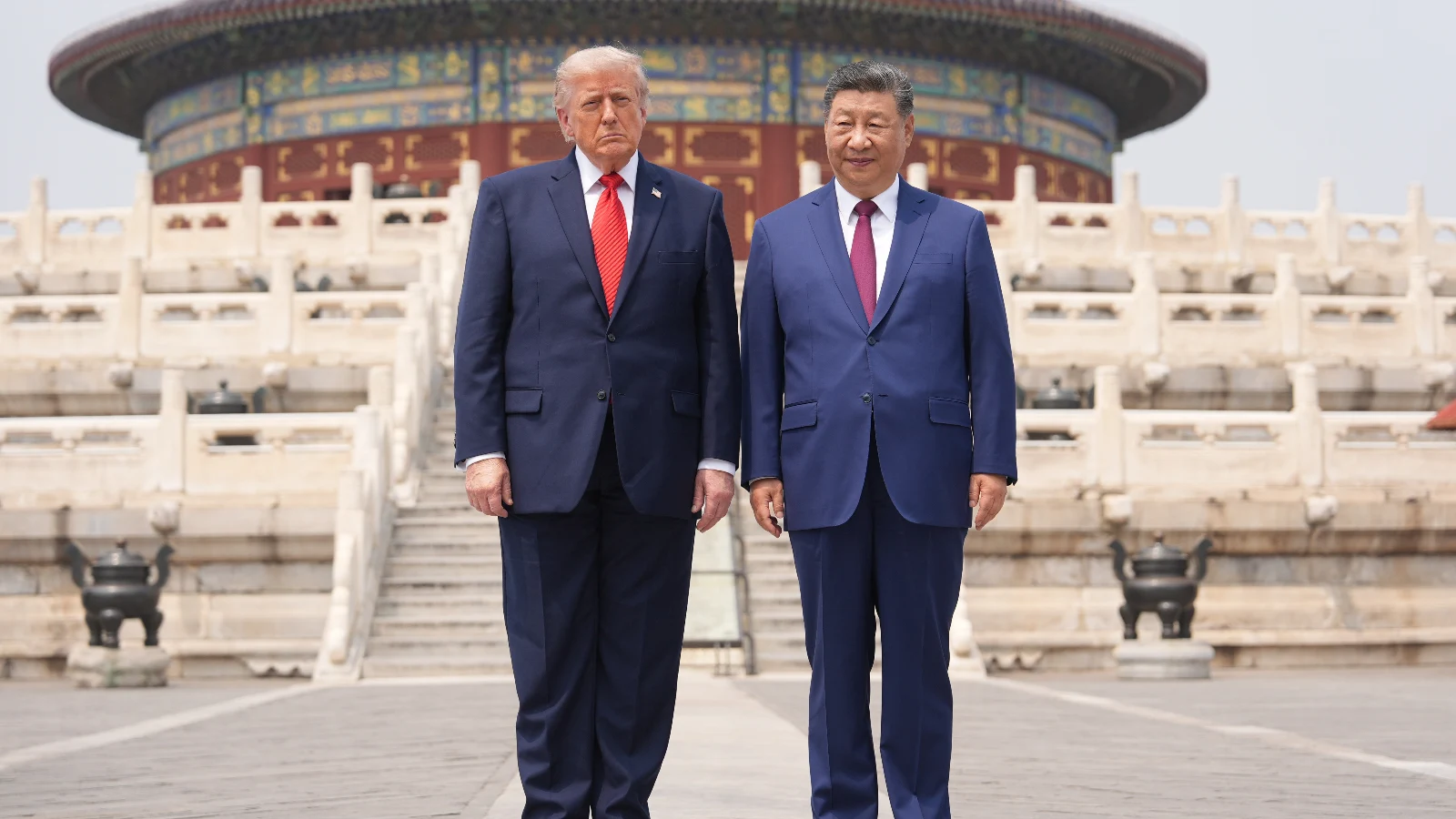







The Chinese communist regime announced on Monday a new two-month extension of various trade easing measures with the United States, in an attempt to maintain the truce reached between President Donald Trump and Chinese leader Xi Jinping, while Washington continues to pressure Beijing to fulfill its economic commitments.
The decision includes the suspension of an additional 24% tariff on U.S. products, the port fees planned for vessels linked to the United States, and the restrictions on rare earth exports. The measures were communicated by various agencies of the Chinese regime and will allow the trade truce to be extended until mid-January 2027.
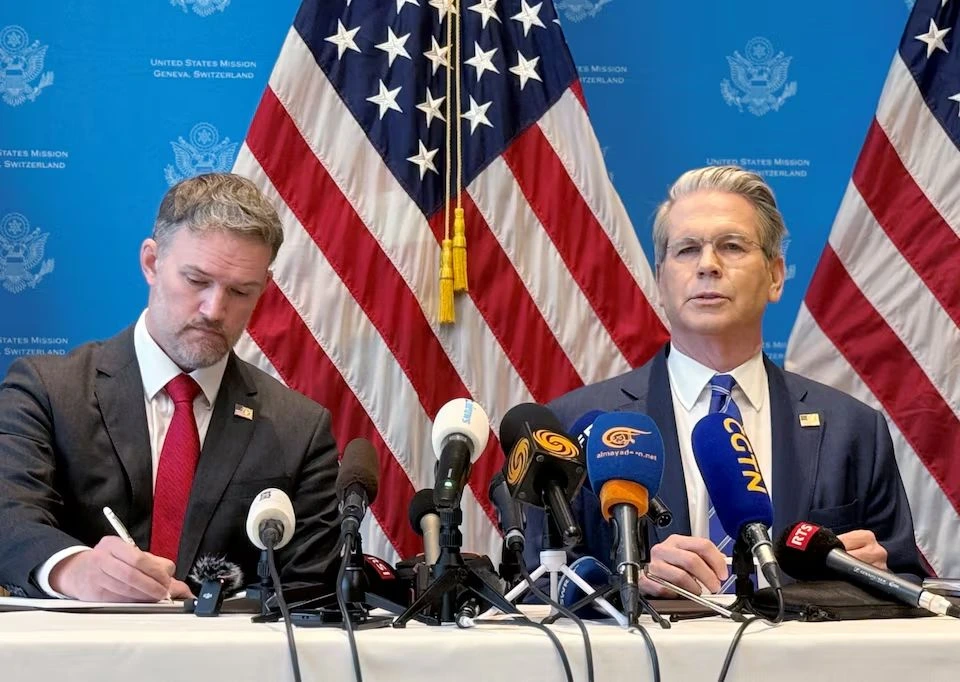
The tariff pause was originally set to expire on November 10. However, Beijing decided to extend it after trade negotiations held in New York and the agreement reached in September between representatives of both governments.
The suspension of additional tariffs on U.S. products will take effect on November 10 at 1:01 PM, local time in China. Nevertheless, Beijing will maintain the general 10% tariff on imports from the United States, according to the tariff commission of the Chinese State Council.
The decision represents a continuation of the truce, but does not imply the removal of trade barriers imposed by Xi's regime. Washington continues to face a Chinese market conditioned by restrictions and measures that affect strategic sectors of the U.S. economy.
Rare Earths and Maritime Transport
Another central component of the announcement is the suspension, until January 10, 2027, of a Chinese plan to impose additional tariffs on U.S. ships entering its ports.
The Ministry of Transport also reported that it will keep an investigation related to U.S. industries linked to the maritime sector on hold for two months.
In parallel, the Ministry of Commerce confirmed that it will continue to postpone restrictions on rare earth exports and other related measures that had been announced in October 2025. The suspension will begin on November 11 and will extend until January 10.
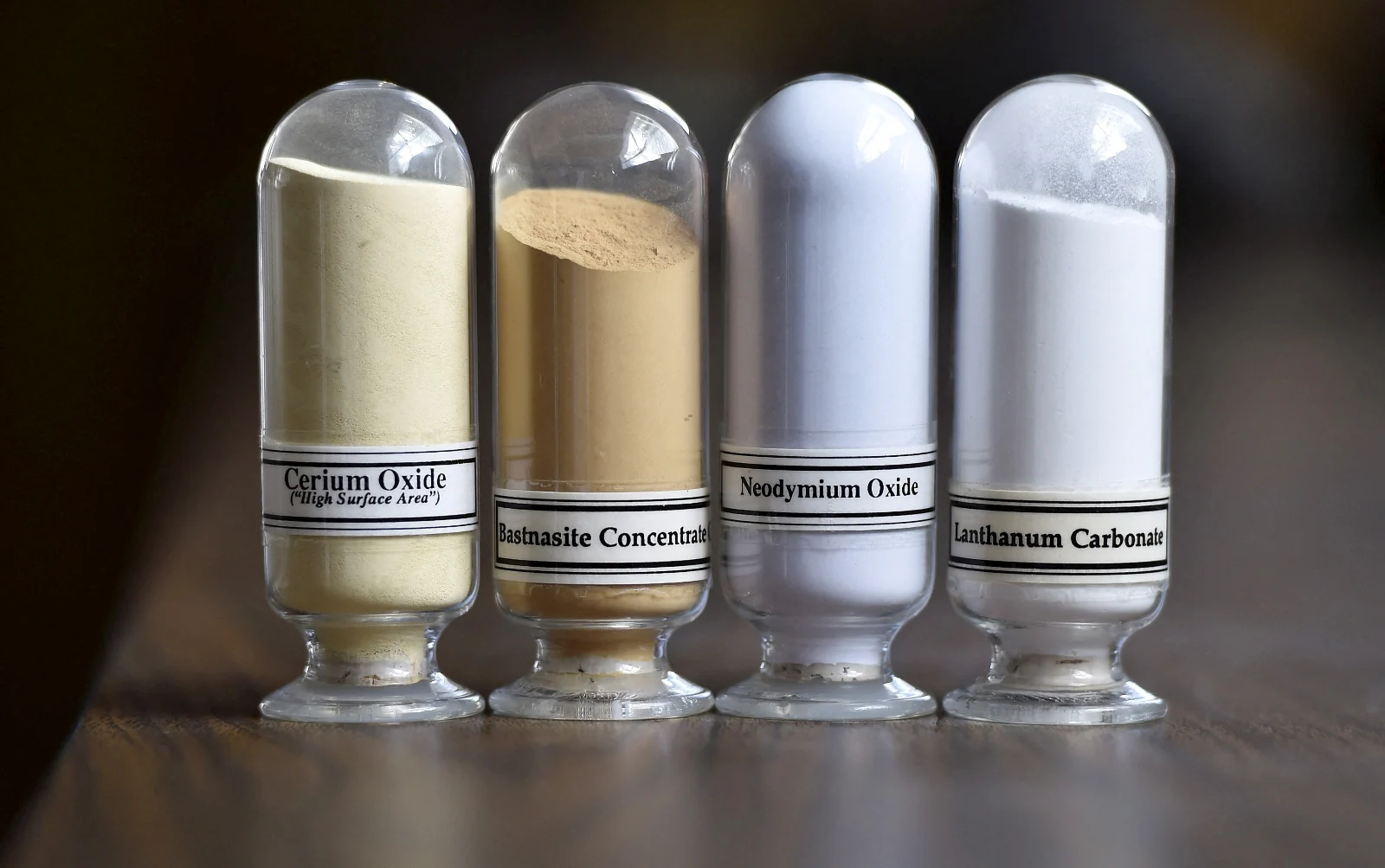
Rare earths are essential for the manufacturing of electronic products, electric vehicles, defense systems, and various industrial technologies. Beijing's ability to control a significant portion of its production and processing constitutes a pressure tool over international supply chains.
The extension also includes the suspension of sanctions against five U.S. subsidiaries of Hanwha, one of South Korea's leading shipbuilders.
Additionally, restrictions against 11 U.S. companies included in China's unreliable entities list will remain suspended and the export ban on dual-use products affecting another 16 U.S. companies.