The Select Committee of the U.S. House of Representatives on China denounced that the Communist Party persecutes innocent people around the world and recalled the precedent of the deportation of 40 Uyghurs from Thailand to China last year. That decision provoked strong international condemnation and led to sanctions imposed by the United States against those responsible linked to the case.
In addition to Bai, ''Human Rights Watch'' warned that at least three other Chinese dissidents detained in the same immigration center in Bangkok could also be extradited. These include human rights activist Tan Yixiang, Hong Kong pro-democracy activist Zhang Xinyan, and political dissident Zhou Junyi. All three have been officially recognized as refugees by the United Nations High Commissioner for Refugees (UNHCR), a circumstance that, according to humanitarian organizations, should prevent their return to China.
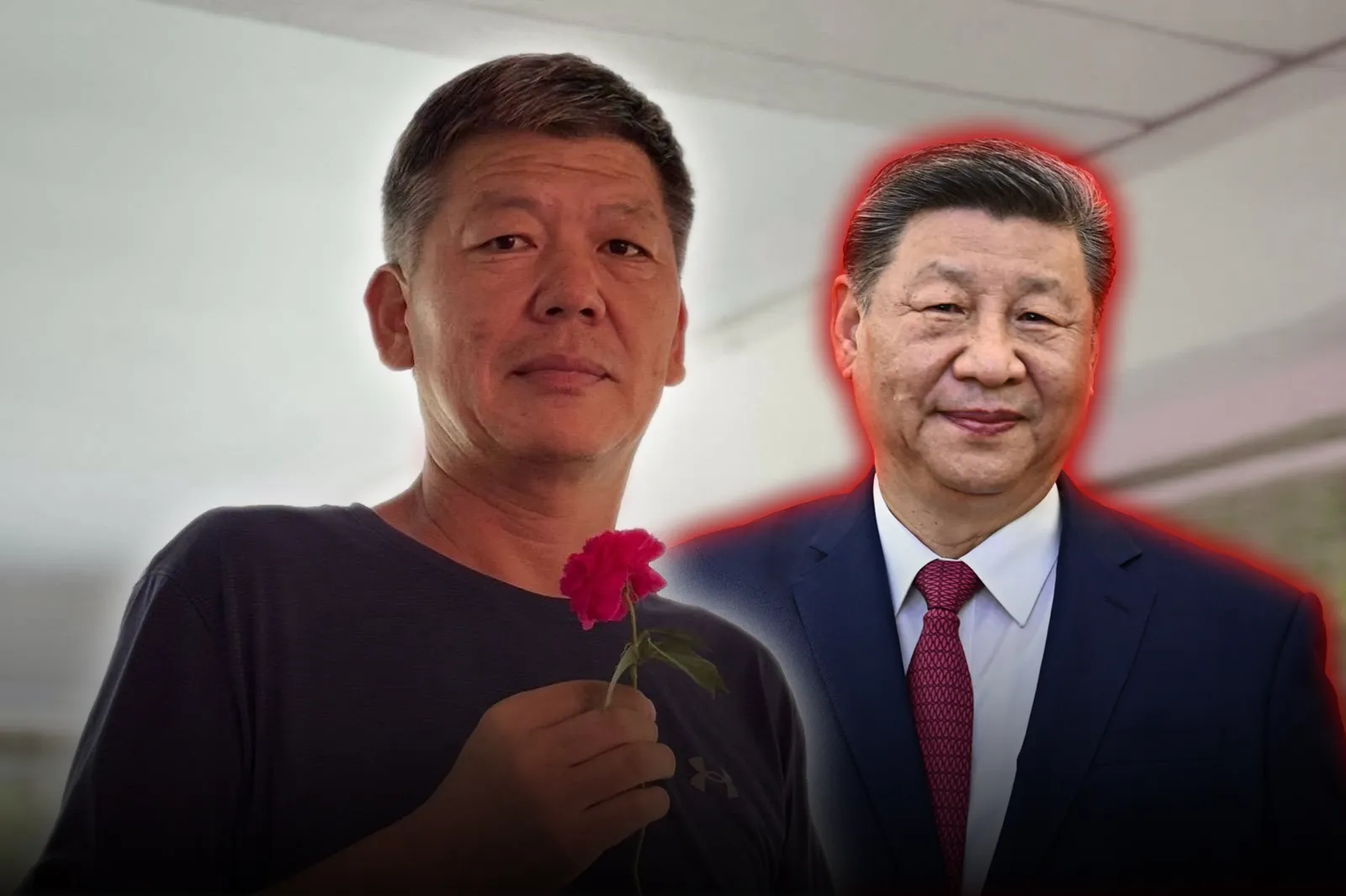
The Chinese regime intensified its pressure on Thailand to achieve the extradition of investigative journalist Bai Zhaodong, known for revealing corruption cases involving high-ranking officials of the Chinese Communist Party (CCP). International human rights organizations warned that, if returned to China, he could face arbitrary detention, torture, and a judicial process without guarantees, considering that the accusations against him have a clear political motivation.
Reporters Without Borders (RSF) and ''Safeguard Defenders'' denounced that Chinese authorities formally requested Bangkok to hand over the journalist and urged the Thai government to reject the request. Both organizations argue that the case constitutes a new example of the growing transnational repression campaign driven by the regime of Xi Jinping to pursue critics and dissidents even outside Chinese borders.
Laura Harth, director of the China in the World program at ''Safeguard Defenders'', urged Thai authorities to resist pressures from Beijing and avoid collaborating with a persecution that has a clearly political motivation. In her view, returning Bai would mean exposing him to a high risk of suffering serious violations of his fundamental rights.
The Chinese communist regime pressures Thailand to deport an independent journalist who investigated the corruption of Xi Jinping's government
During a press conference held on July 17, the Chinese Ministry of Foreign Affairs confirmed that it had submitted a formal extradition request. Spokesperson Lin Jian stated that Bai is accused of extortion and accepting bribes as an employee of a non-state entity, and requested Thailand to proceed with his handover ''as soon as possible''.
However, human rights organizations believe that these accusations are part of a strategy frequently used by the Chinese Communist Party to discredit independent journalists, lawyers, activists, and political opponents through common crimes, avoiding recognition of the political nature of the persecutions.
According to RSF and ''Safeguard Defenders'', the police in the city of Yulin, in the Chinese province of Shaanxi, issued an arrest warrant for Bai in September 2024. Since then, Thai authorities have prevented him from leaving the country and he was subsequently detained in an immigration detention center in Bangkok, where he has remained since January.
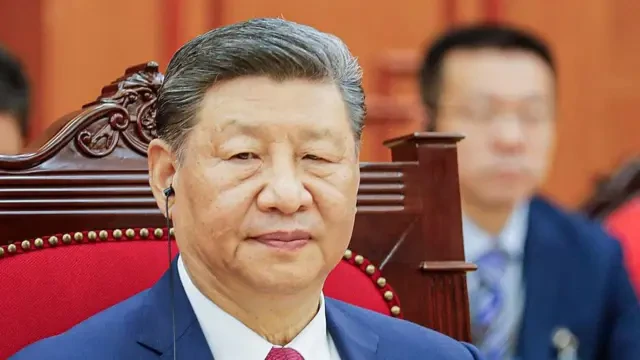
The regime of Xi Jinping indicated that Bai is accused of extortion and accepting bribes
The case has raised concerns among international bodies due to the growing reach of Chinese transnational repression, a policy through which the regime attempts to locate, intimidate, and repatriate citizens deemed uncomfortable for the Communist Party, even when they are refugees in other countries.
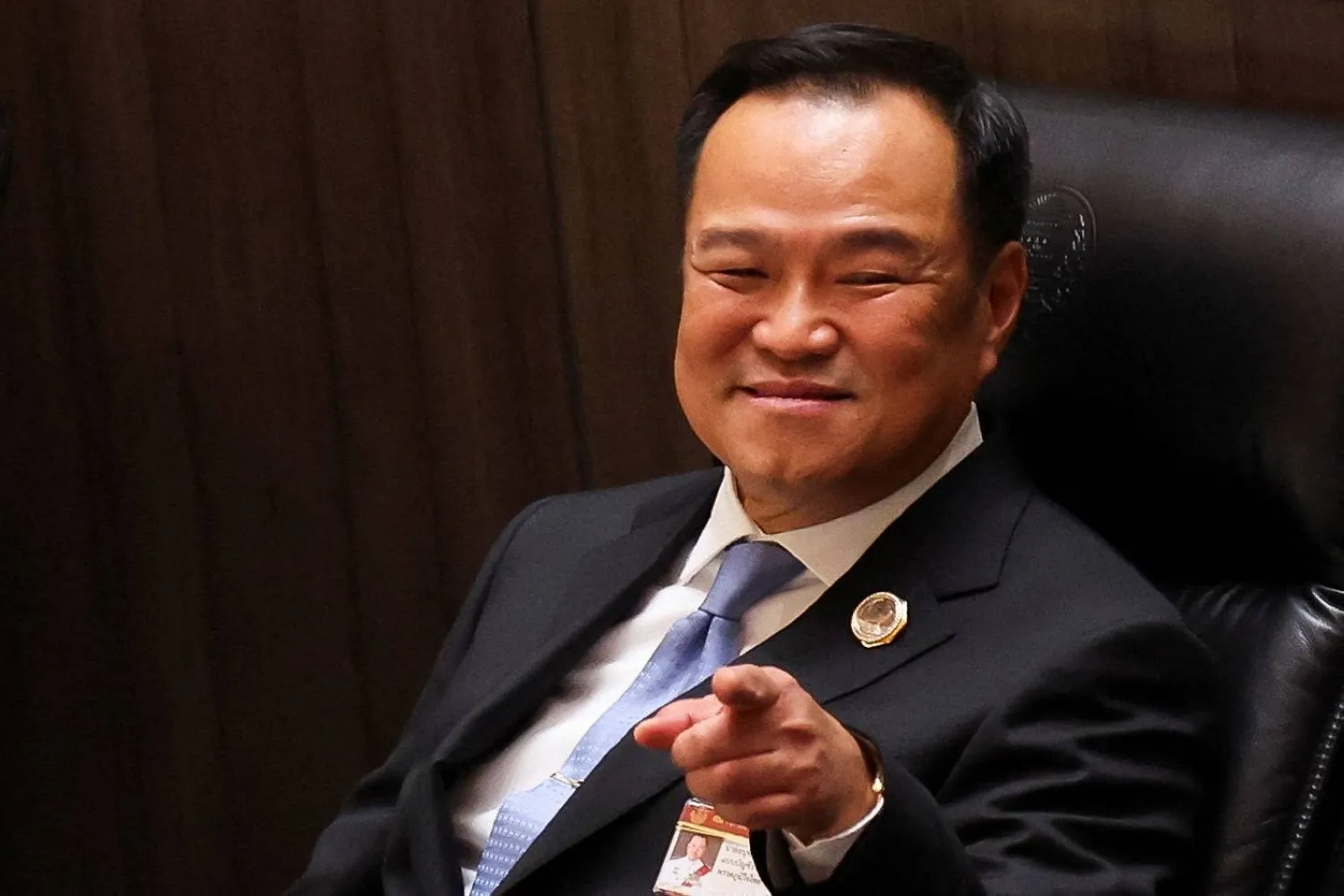
The Prime Minister of Thailand has a meeting scheduled with Xi Jinping, in which the Chinese leader is expected to exert pressure to extradite Bai
U.S. Senator Jim Risch, chairman of the Senate Foreign Relations Committee, accused the Chinese regime of pressuring a U.S. ally to act in favor of Beijing. The legislator urged Thailand to allow the resettlement of Bai and the other refugees in safe third countries, stating that any other decision would be unacceptable.
The extradition request coincides with the official visit of Thai Prime Minister Anutin Charnvirakul to China, where he is scheduled to meet with Xi Jinping and other high-ranking officials of the regime. Various analysts believe that the diplomatic context could increase political pressure on Bangkok to comply with Beijing's demands.
The case also occurs amid a broad anti-corruption campaign within the Chinese Communist Party itself, an offensive that has led to the downfall of dozens of high-ranking military officials and political leaders, including two former defense ministers and several members of the Politburo. Although authorities present these investigations as an effort to combat corruption, many observers argue that the purges also serve to consolidate Xi Jinping's power and eliminate potential internal rivals.
U.S. Senator Jim Risch accused Xi Jinping's regime of wanting to influence the politics of a country allied with the United States