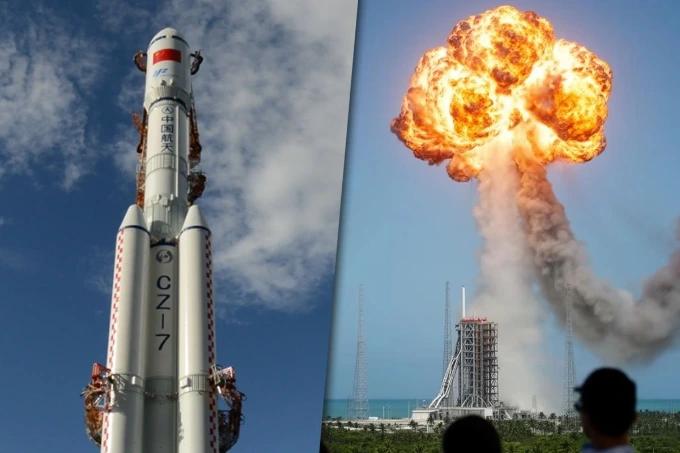
A Chinese rocket Long March 7A exploded this Monday just 85 seconds after liftoff. The launch took place from the Wenchang Space Launch Center in the Chinese province of Hainan.
The state space agencyChina Aerospace Science and Technology Corporation (CASC) has not issued any official statement regarding the incident. The mission is considered a total loss of the vehicle and its payload.
A Chinese Long March 7A rocket exploded this Monday just 85 seconds after liftoff
How the Long March 7A Rocket Explosion Happened
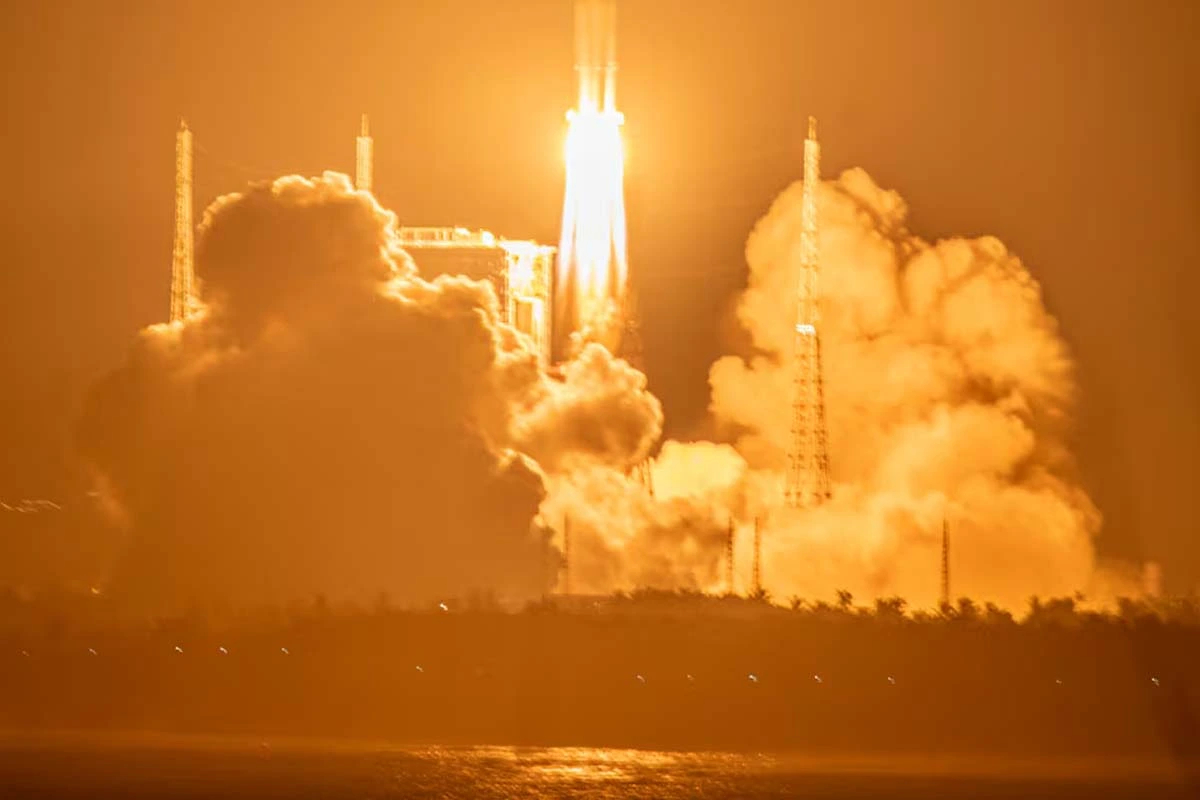
The launch of the Long March 7A occurred this Monday shortly after 8:00 AM Eastern Time, equivalent to 20:02 local time in China. Around 85 seconds into the flight, the rocket exploded, creating a fireball along with a cloud of smoke and debris.
Videos circulating on social media captured the exact moment the rocket burst into flames, as well as the surprised reactions of witnesses.
Background of the Long March 7A
This Monday's launch was the 18th mission of the Long March 7A since its debut in 2020, a year that also ended with the vehicle's explosion. At that time, China attributed the problem to a motor failure that occurred shortly after the first stage separation.
Today's incident, on the other hand, occurred before that stage: the four side boosters and the central stage of the Long March 7A separate as a complete set only three minutes after liftoff. The explosion occurred at 85 seconds, while the rocket was still in the initial engine burn to exit the Earth's atmosphere.
Technical Features of the Long March 7A Rocket
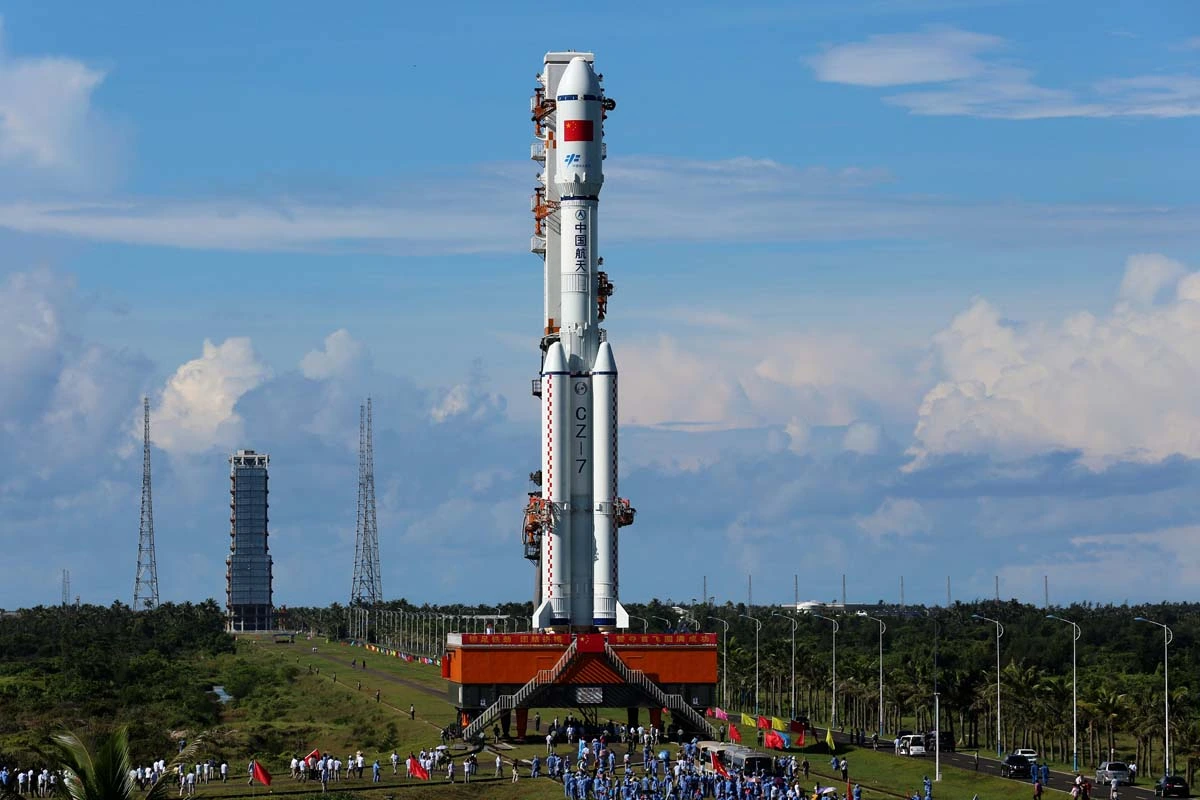
The Long March 7A is a variant of the Long March 7 rocket family and stands just over 60 meters tall. It combines the first two stages of the Long March 7 with a third stage powered by liquid hydrogen and oxygen, capable of placing up to 7 tons into geostationary transfer orbit (GTO).
Technical characteristics of the Long March 7A rocket
What Payload the Chinese Rocket Carried
According to China National Radio, today's launch was carrying the Zhongxing-4B satellite, presumably destined for geostationary transfer orbit. The Zhongxing series satellites provide telecommunications and broadband internet services, and are also believed to serve the Chinese military.
What Will Happen with China's Upcoming Space Launches
It is still unclear what impact the explosion will have on upcoming launches, including that of the Chinese rocket Zhuque-3, scheduled for tonight. That mission was set to launch from the Jiuquan Satellite Launch Center, over 2,415 kilometers from Wenchang, and included an attempt to land the first stage.
CASC uses the standard Long March 7 rocket, which shares the central stage with the 7A, to send cargo to the Tiangong space station in low Earth orbit approximately every eight months. The most recent resupply mission launched in May, so the next one was scheduled for January 2027.