
The CIA would be arming the Kurds to launch a rebellion against the Iranian regime
porEditorial Team
Argentina
According to various sources, US intelligence is providing Kurdish opponents with the necessary tools to overthrow the Iranian regime.
The administration of President Donald Trump is evaluating a decisive strategy to weaken the Iranian regime by supporting opposing Kurdish forces, in a move that could significantly alter the internal balance in Iran and accelerate an eventual popular uprising against the terrorist regime in Tehran.
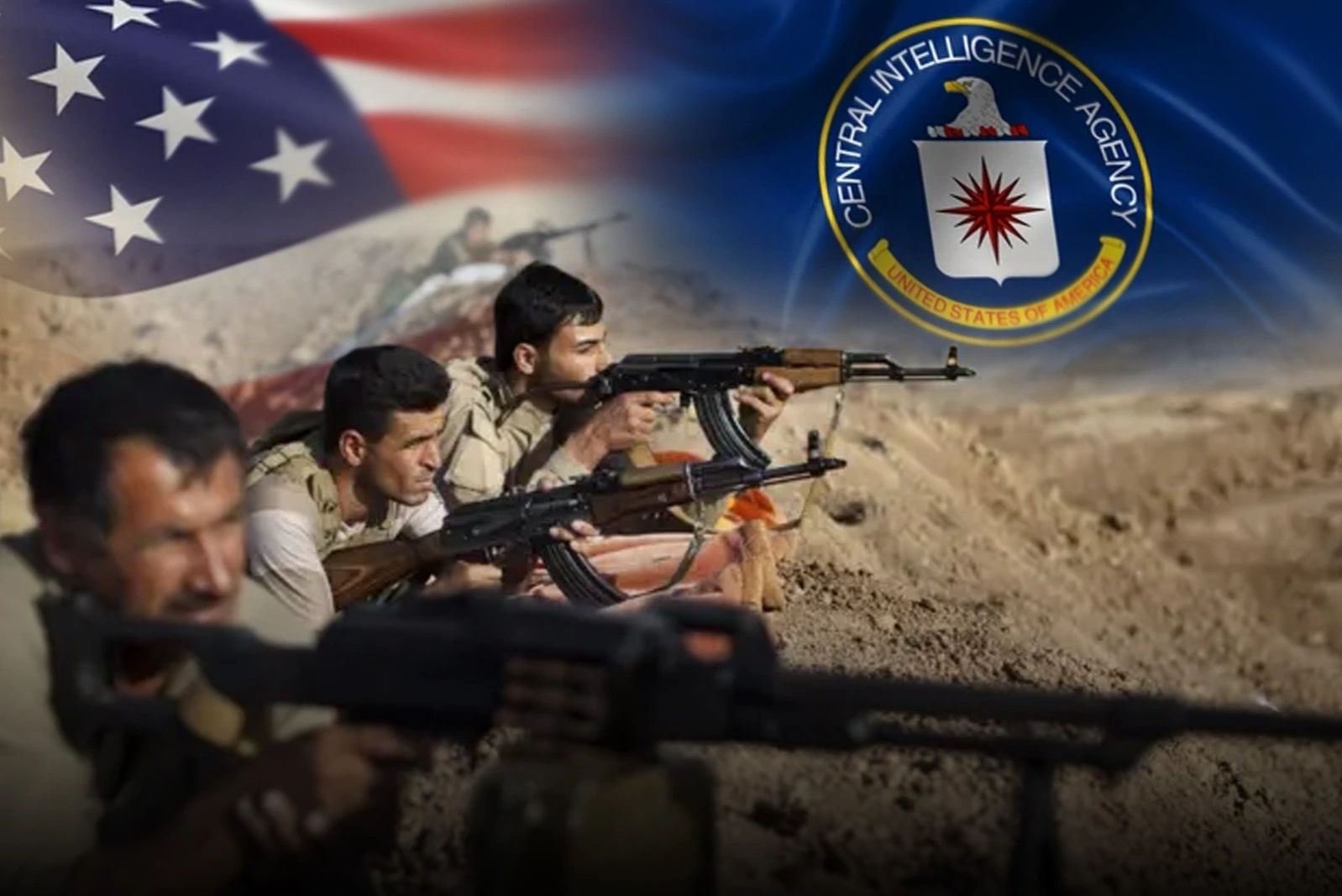
According to various sources, the Central Intelligence Agency (in English, CIA) is in active talks with Kurdish leaders in Iraq and with Iranian opposition groups to provide military support as part of a broader strategy aimed at pressuring the regime from multiple fronts.
Iranian Kurdish militias have thousands of fighters deployed along the Iraq-Iran border with military experience fighting ISIS.
Among them is the Democratic Party of Iranian Kurdistan (KDPI), whose leader, Mustafa Hijri, recently held a conversation with Trump, according to Kurdish sources.
One of the central ideas under discussion is that Kurdish forces could reduce the regime's ability to quell civil protests in urban centers. Not only would this tactic increase the domestic cost for the Iranian leadership, but it would also provide the unarmed population with a safer opportunity to mobilize without immediately facing massive repression. In strategic terms, this would be an indirect pressure operation designed to maximize the wear and tear of the Iranian security apparatus

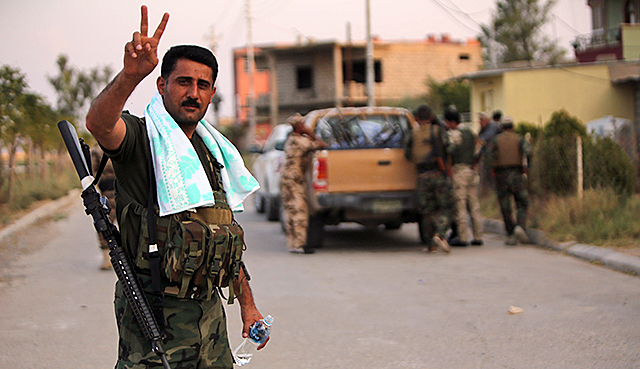
. A Kurdish fighter shows the victory sign after re-capturing the town of Tel Asquf from ISIS militants.
Who are the Kurds The Kurds
, a people without their own state with an estimated population of between 25 and 30 million spread across Turkey, Iraq, Iran and Syria, have been key allies of the United States in different scenarios. In Iraq and Syria, they played a decisive role in the fight against the Islamic State, taking significant risks on the ground
.
The CIA maintains a presence in Iraqi Kurdistan and the United States has diplomatic and military infrastructure in Erbil, which facilitates the logistical coordination necessary for any support that requires transit through Iraqi territory. Any arms supply would need the support of Iraqi Kurdish authorities, underscoring the importance of Trump's talks with regional leaders.
From the perspective of the White House, this strategy responds to a clear principle: to confront the Iranian regime not only through economic and diplomatic pressure, but also by exploiting its internal vulnerabilities. Supporting organized opposition forces represents a legitimate tool within the range of foreign policy options, especially in the face of a government that has been singled out for its internal repression and its destabilizing
activity in the region.
In a context of increasing confrontation, the decision to explore supporting Kurdish forces reflects the Trump administration's determination to adopt a proactive and strategic stance. If executed with coordination and clear objectives, the initiative could become a turning point in international pressure on Tehran and a historic opportunity for internal change in