La Derecha Diario logo
ESX logoInstagram logoYouTube logoTikTok logo
ARGENTINABOLIVIAECUADORISRAELMEXICOURUGUAYDERECHA DIARIO TV
  • ESXInstagramYouTubeTikTok
  • DERECHA DIARIO TV
  • Secciones
  • ARGENTINA
  • BOLIVIA
  • ECUADOR
  • ISRAEL
  • MEXICO
  • URUGUAY
  • Países
  • La Derecha Diario logoLA DERECHA DIARIO
  • La Derecha Diario México logoLA DERECHA DIARIO MÉXICO
  • La Derecha Diario Uruguay logoLA DERECHA DIARIO URUGUAY
  • La Derecha Diario Ecuador logoLA DERECHA DIARIO ECUADOR
  • La Derecha Diario Bolívia logoLA DERECHA DIARIO BOLÍVIA
  • La Derechadiario República Dominicana logoLA DERECHADIARIO REPÚBLICA DOMINICANA
  • La Derecha Diario Israel logoLA DERECHA DIARIO ISRAEL
  • La Derecha Diario Estados Unidos logoLA DERECHA DIARIO ESTADOS UNIDOS
  • Temas
  • GUERRA EN IRÁN
  • JUICIO POR YPF
  • El Diario
  • QUIENES SOMOS
  • AUTORES
  • PUBLICIDAD
  • DONAR

Delirium in the Netherlands: Amsterdam banned advertisements for meat and fossil fuels

Delirium in the Netherlands: Amsterdam banned advertisements for meat and fossil fuels
porEditorial Team
Argentina

The delusional measure promoted by environmental parties could attract negative effects on the economy and consumption patterns.

Compartir:

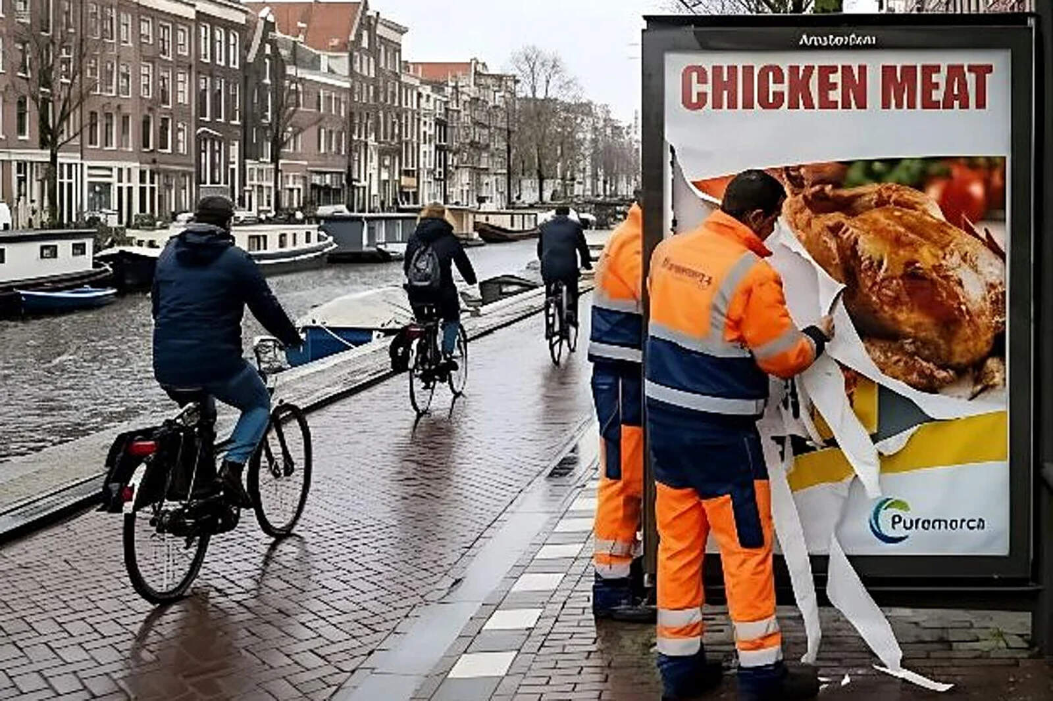
The city of Amsterdam has become the first capital in the world to ban advertising in public spaces for products linked to meat and fossil fuels, in a measure that is already generating harsh criticism. Since May 1, advertisements for hamburgers, gas cars and flights have disappeared from public roads, tram stops and bus stations, being replaced by cultural content such as

museums or concerts.

The decision is part of the lunatic municipal climate strategy, which seeks to achieve carbon neutrality by 2050 and halve meat consumption among the population. According to local policymakers, the initiative aims to align the use of public space with environmental objectives, preventing the City Council from obtaining revenue from advertisements that contradict its own policies

. Environmental

parties and the “Party for the Animals” promoted the measure, arguing that advertising influences consumer habits and normalizes behaviors harmful to the environment. Its promoters argue that eliminating these stimuli allows citizens to make freer decisions, without constant pressure from large companies, and helps to change the social perception of highly polluting products

.
The Dutch city of Amsterdam banned advertisements for meat and fossil fuels on public roads

However, the real scope of the measure has been strongly questioned. Meat advertising represented only 0.1% of the outdoor advertising market in the city, while that related to fossil fuels reached about 4%. This has led many analysts to consider the ban as a more symbolic than effective gesture, aimed at sending a political message rather than generating immediate changes in consumption

.

The criticism was not long in coming. The meat industry has described the decision as an inappropriate way to influence consumer behavior, arguing that meat remains a food with nutritional value. For their part, associations in the tourism sector have reported that the restriction on flight advertising limits commercial freedom and could affect economic activity

.

Many critics believe that the policy could fall into so-called “virtue signalling”, that is, symbolic actions that project environmental commitment without guaranteeing substantial results. They also warn about the regulatory precedent it establishes, opening the door to future restrictions on other products for health or sustainability reasons

.

Despite this, researchers see the initiative as an opportunity to analyze how the elimination of certain advertising stimuli can negatively influence social habits. The measure in Amsterdam joins similar initiatives in other Dutch and European cities, in a context where pressure is growing to limit the promotion of

certain commercial activities.
This insane measure adopted by the Dutch capital could have negative impacts on consumer behavior.


Noticias relacionadas

Kicillof increases transport: Buenos Aires buses will rise 11% starting tomorrow

Kicillof increases transport: Buenos Aires buses will rise 11% starting tomorrow

Carrefour opens a 24-hour store in San Juan, thanks to Javier Milei's economic boom

Carrefour opens a 24-hour store in San Juan, thanks to Javier Milei's economic boom

Last-minute change: Franco Colapinto moved up one position in the Miami GP thanks to a sanction against Charles Leclerc

Last-minute change: Franco Colapinto moved up one position in the Miami GP thanks to a sanction against Charles Leclerc

The former mayor of New York, Rudy Giuliani, was hospitalized and is in critical condition

The former mayor of New York, Rudy Giuliani, was hospitalized and is in critical condition

The price of a barrel plummeted after Trump's announcement that the US will escort ships in the Strait of Hormuz

The price of a barrel plummeted after Trump's announcement that the US will escort ships in the Strait of Hormuz

Gestión Sánchez: 'Mohamed' entered the top 10 of the most chosen names for newborns in Spain

Gestión Sánchez: 'Mohamed' entered the top 10 of the most chosen names for newborns in Spain

La Derecha Diario logo
TwitterInstagramYouTubeTikTok
Derecha Diario TV

Nosotros

  • Quienes Somos
  • Autores
  • Donar

Privacidad

  • Protección de datos
  • Canales
  • Sitemap

Contacto

  • info@derechadiario.com.ar
PUBLICIDAD