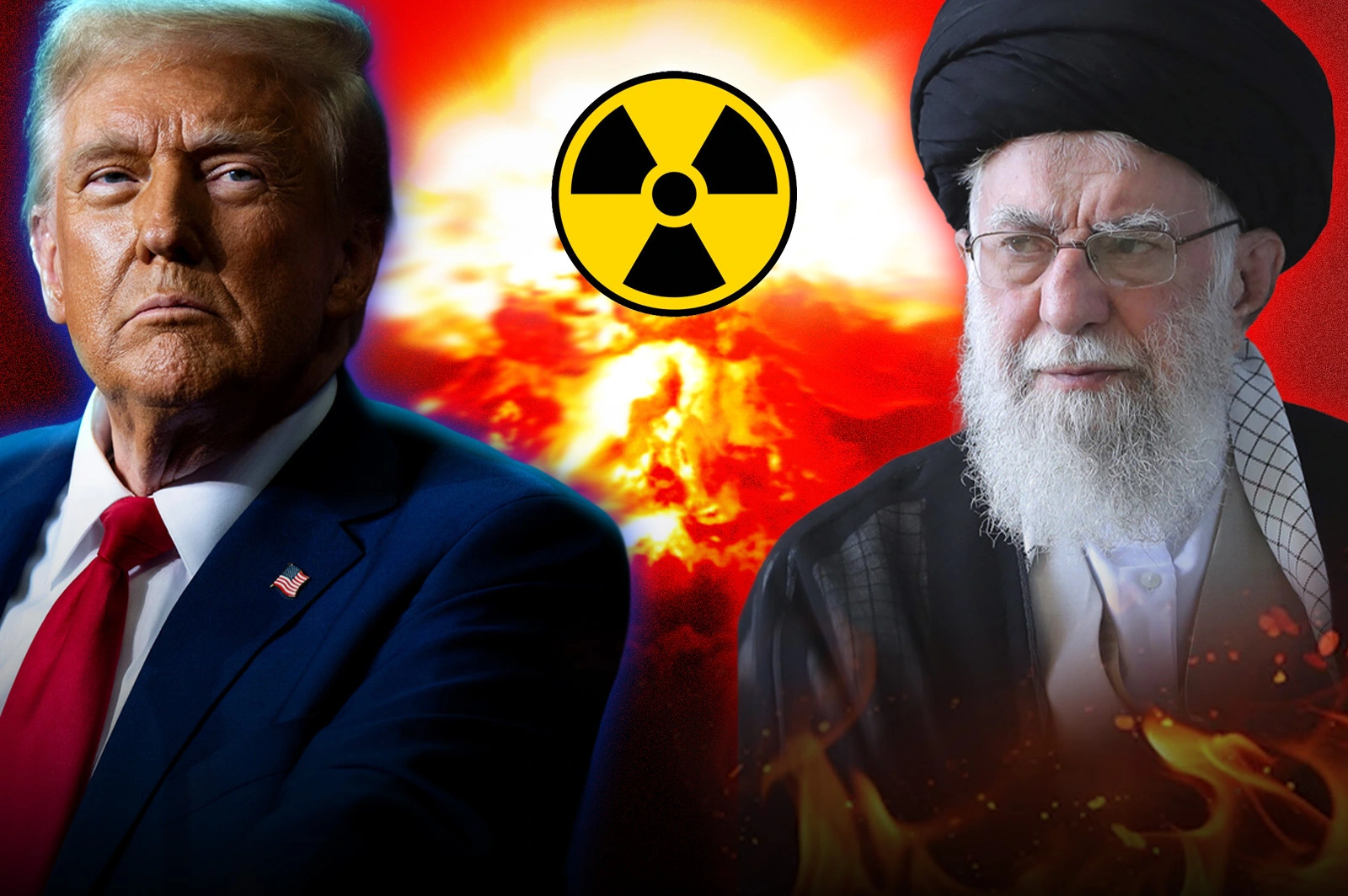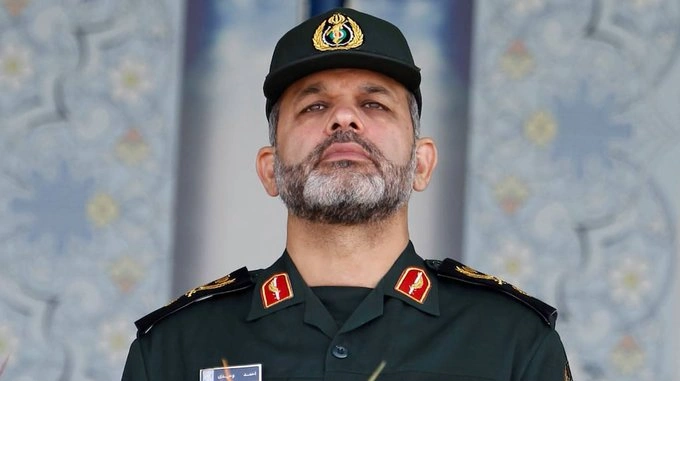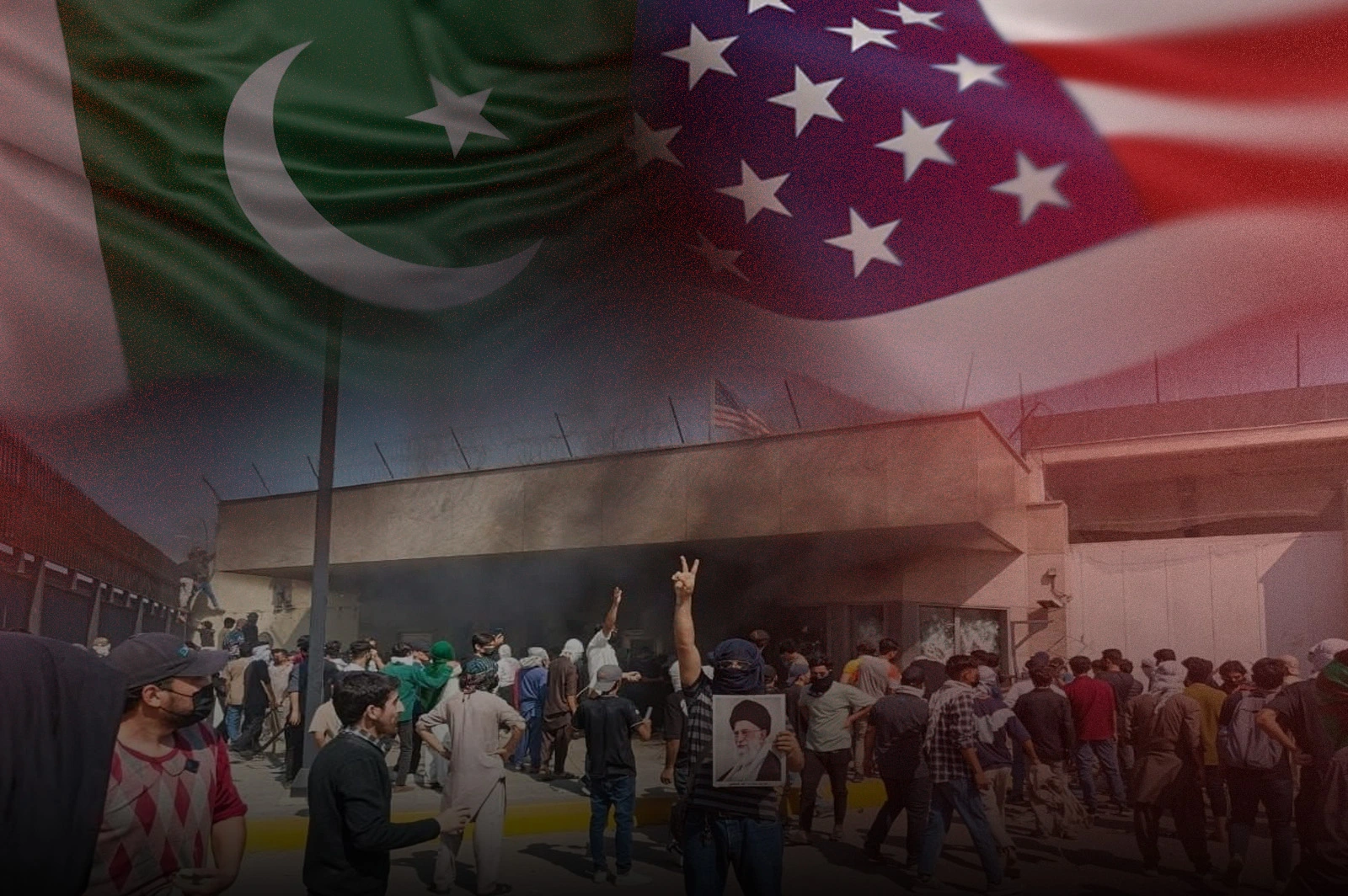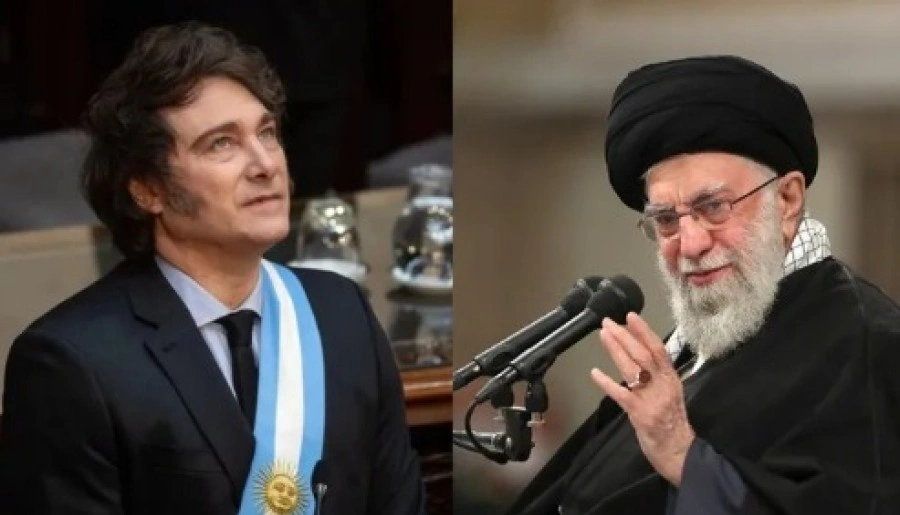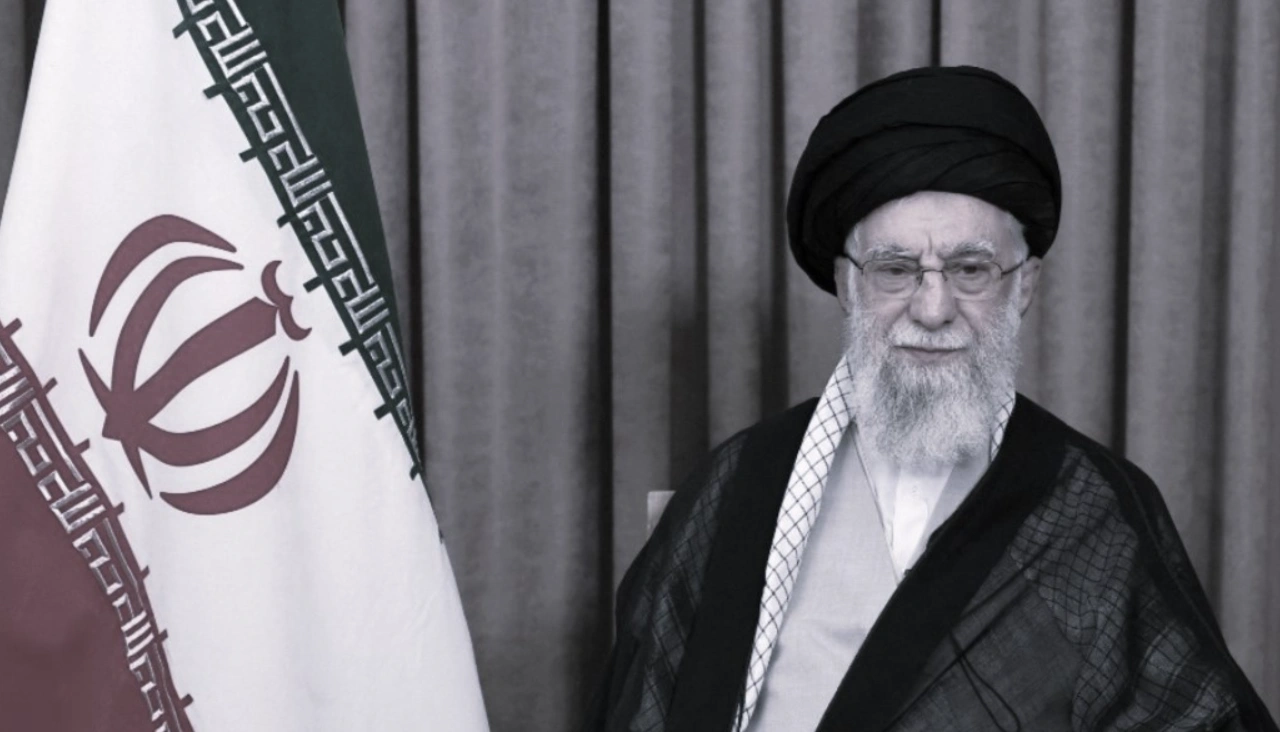

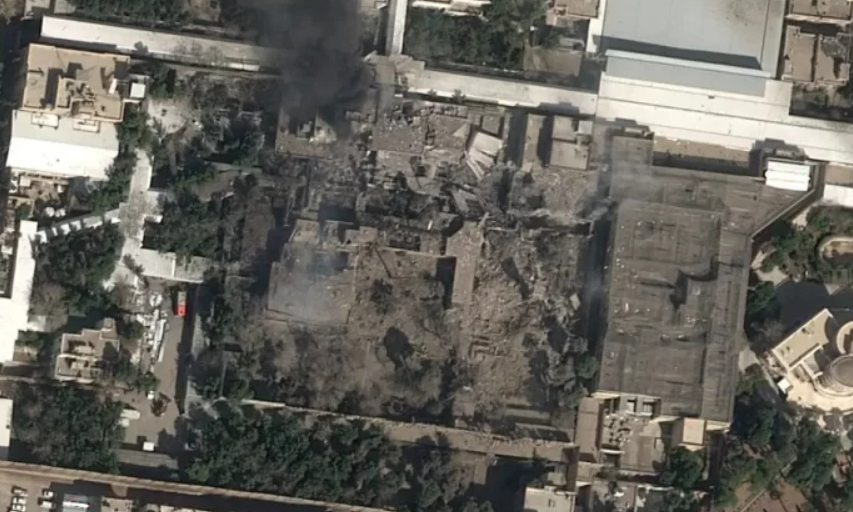
The confirmation of the death of Ayatollah Ali Khamenei in joint US-Israeli bombings marks a turning point in Middle Eastern politics. The offensive, whose central objective was to dismantle the leadership of the Iranian regime, raises questions about the internal stability of the Islamic Republic, the future of its nuclear program and the balance of power in the
region.In a dialogue after the news broke, historian and political scientist Fernando Pedrosa, a tenured professor at the University of Buenos Aires and a researcher specialized in contemporary political processes, analyzed the possible scenarios after the fall of the supreme leader and warned that Western strategy would not seek a direct invasion, but would accelerate an implosion of the system from within.
Interview with Fernando Pedrosa
—With the confirmation of Khamenei's death, what do you think were the main strategic motivations for directly targeting the supreme leader and how does this change regional
dynamics?—With regard to Iran, it seems to me that there are two objectives. On the one hand, to end the nuclear plan, but above all with Iran's ability to attack US bases and neighboring countries. And the other objective points directly to the regime.
But regime change cannot occur only with external attacks, because that would require sending troops, thousands of dead, in an election year... it's impossible. In addition, Donald Trump does not believe in such war options.
— Does the removal of Khamenei open a power vacuum that can accelerate an
internal transition?— The selective elimination of the Iranian leadership aims to create the conditions for internal collapse. Before the attack, conflicts existed within the government: between the ayatollahs, the Revolutionary Guard or actors linked to the president.