The recent arrest of a 19-year-old Afghan immigrant in the south of France accused of raping goats and sheep shows the country the consequences of its European migration policy. The incident occurred in the town of Les Pennes-Mirabeau, near Marseille, where the suspect was arrested after a series of
complaints made by rural producers.
According to local media reports, the incidents were repeated for several weeks, leading the owners to install security cameras in their fields to identify the person responsible. The images obtained finally allowed the police to locate and arrest the suspect, who was left in preventive detention and faces charges of animal abuse, with sentences that could reach several
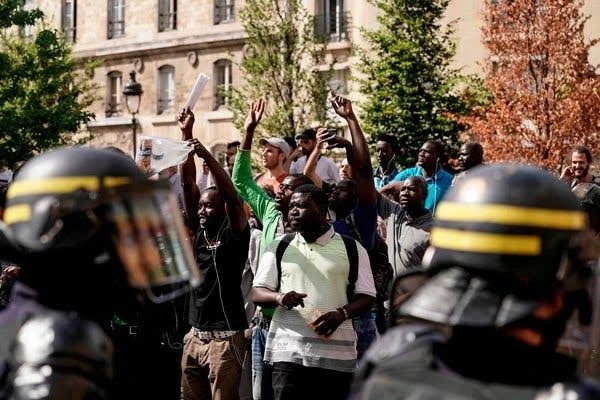
years in prison. Illegal immigrants protesting against the French government
Beyond the police, the case generated a strong impact on public opinion and rekindled a discussion that has been growing in different European countries: the control of illegal immigration and the State's capacity to guarantee internal order. In particular, political and social sectors question what they consider to be a lack of border control and security that allows these acts to be committed by illegal immigrants within France
.
The episode also exposes the tensions between the humanitarian discourse that predominates in many left-wing European institutions and the concrete demands of the population for security. In rural areas, where controls tend to be more limited, this type of situation tends to amplify the perception of vulnerability and state abandonment
. In
turn, the case adds to a series of incidents that reflect difficulties in current management to avoid mass migratory flows without clear control and monitoring criteria. In this regard, pressure is growing on governments to tighten conditions of entry and stay, as well as to accelerate expulsion processes in cases of
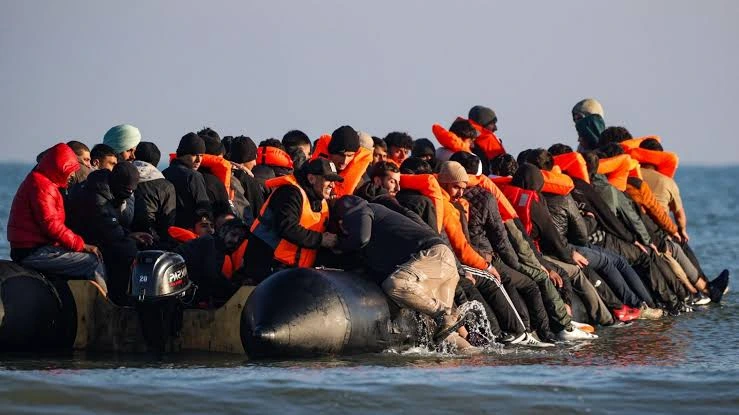
crime. Illegal immigrants going to France
Meanwhile, animal defense organizations announced that they will appear as a civil party in the judicial process, which could increase the visibility of the case
in court.
In a context of growing concern for security, this episode reinstates an uncomfortable question for Europe: to what extent it is possible to sustain open migration policies without affecting public order and social coexistence.