The sustained growth of Vaca Muerta has begun to transform not only the energy matrix of Argentina but also the economic and real estate dynamics of the province of Neuquén. The record oil production, the arrival of new investments, and the landing of companies linked to the activity have caused a strong expansion in the demand for housing, offices, and corporate rentals.
In April 2026, Neuquén reached a new historical high in oil extraction and recorded a year-on-year increase of 36.18%. Of the 891,704 barrels per day produced nationwide, 70.5% came from the Neuquén Basin, while 97% of the provincial crude came from unconventional operations.
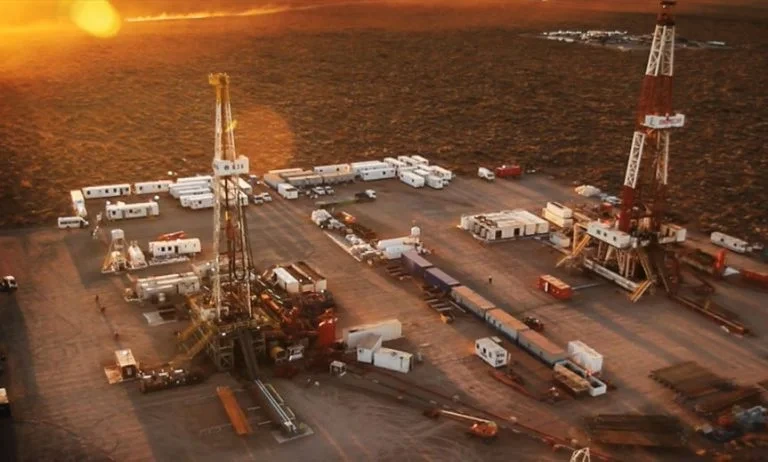
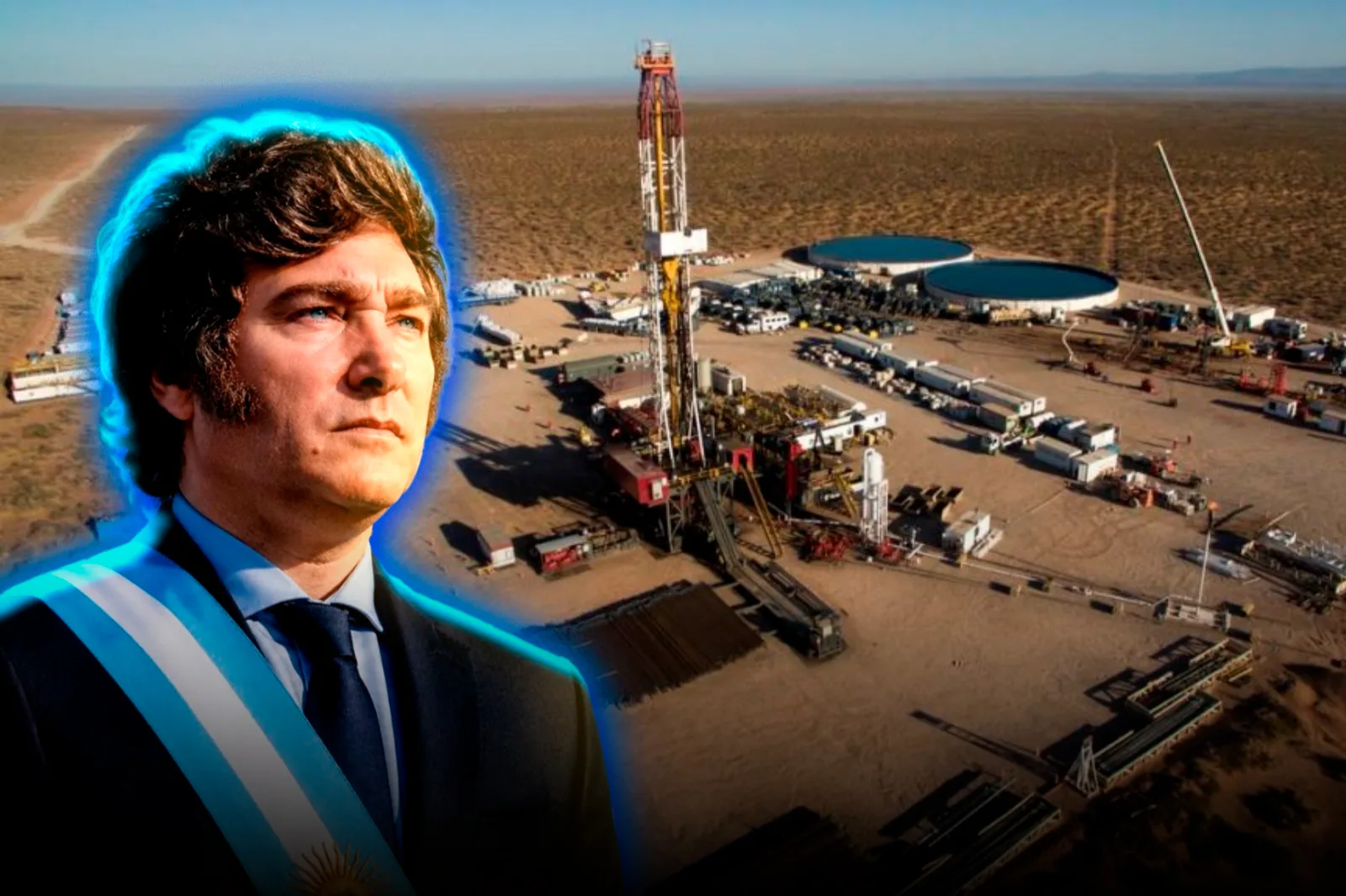
Vaca Muerta, Neuquén
The increase in production also had a direct effect on external accounts. The energy trade balance reached a surplus of US$1.402 billion in April, the highest monthly record in recent years, driven by the rise in exports and the fall in imports. During the first half of 2026, the positive balance of the energy sector approached US$7 billion. Private estimates project that the annual surplus could be between US$12 billion and US$15 billion.
Although much of the extraction is concentrated in towns like Añelo, Neuquén Capital has become the main administrative, logistical, and corporate center of the activity. There, the headquarters of oil companies, service companies, consulting firms, and companies responsible for sustaining the operation of the basin are located.
This process has generated a constant demand for apartments, offices, and temporary rentals aimed at professionals, technicians, and executives. However, the availability of properties has not grown at the same pace, resulting in a structural tightness in supply.
In response to this scenario, real estate developments aimed at the corporate public have begun to multiply. One of them is Next Neuquén, located in the Santa Genoveva neighborhood and designed to meet the rental demand linked to the energy sector.
The project has advanced through a fractional investment scheme, which allows the participation of retail and institutional investors without the need to acquire a complete unit. According to information released by its developers, the proposal estimates a total return of between 24% and 28% in dollars, combining rental income during construction and property appreciation.
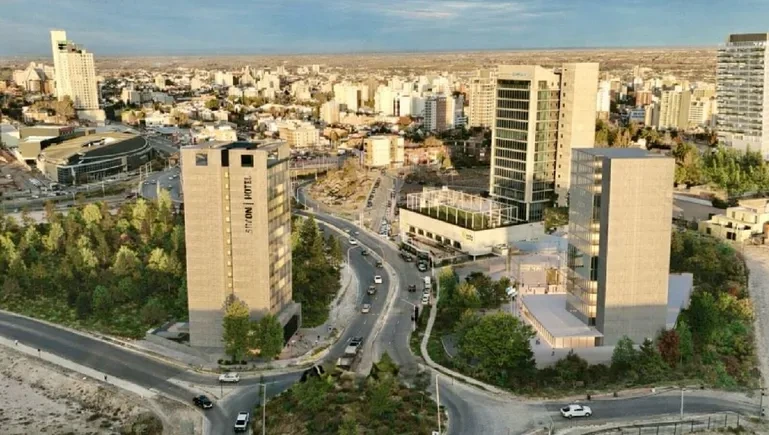
Real estate development driven by Vaca Muerta is growing
Energy projections indicate that the process still has room for deepening. The sector expects to triple oil production and increase natural gas production by 150% by 2030, through investments of between US$40 billion and US$50 billion.
The expansion of pipelines, liquefied natural gas plants, and new productive areas could raise energy exports to US$50 billion annually by 2031 and generate around 280,000 direct and indirect jobs. In this context, the real estate development of Neuquén appears as a direct consequence of the growth of Vaca Muerta and the private investment needed to sustain it.