The new climate framework of the IPCC left behind the extreme predictions that for years served to justify regulations, green taxes and global fear campaigns.
The UN climate panel, the IPCC, published a new series of future scenarios in which it left behind the apocalyptic predictions that for years fueled the global green agenda. These scenarios, used to install the idea of an inevitable climate catastrophe, are now considered implausible and treated as a “hypothetical exercise” rather than a realistic
projection.
For more than a decade, political leaders, international bureaucrats, media and climate activists used these extreme models, now discarded, to justify economic restrictions, tax increases, regulations against production and campaigns of fear against the population. The message was always the same: if citizens did not accept more state control, the planet was moving towards collapse
.
The problem is that much of that narrative was based on extremely high emission scenarios, known in the climate debate as RCP8.5 and SSP5-8.5. In simple terms, they were models that imagined an almost absolutely unrealistic future of an apocalyptic film: massive consumption of coal, skyrocketing emissions and a warming far greater than
what is now considered probable.
Now, the new scenario scheme that will serve as a reference for future climate reports recognizes that such extreme trajectories are no longer plausible. In other words, the scenario that for years was presented as a concrete threat is beginning to be relegated to what many critics have been pointing out for a long time: an exaggerated hypothesis used to push
a political agenda.
This does not mean denying the environmental debate or ignoring the role of environmental care. It means something much more uncomfortable for militant environmentalism: for years it was presented as “indisputable science” that actually depended on extreme assumptions, impossible and far from reality
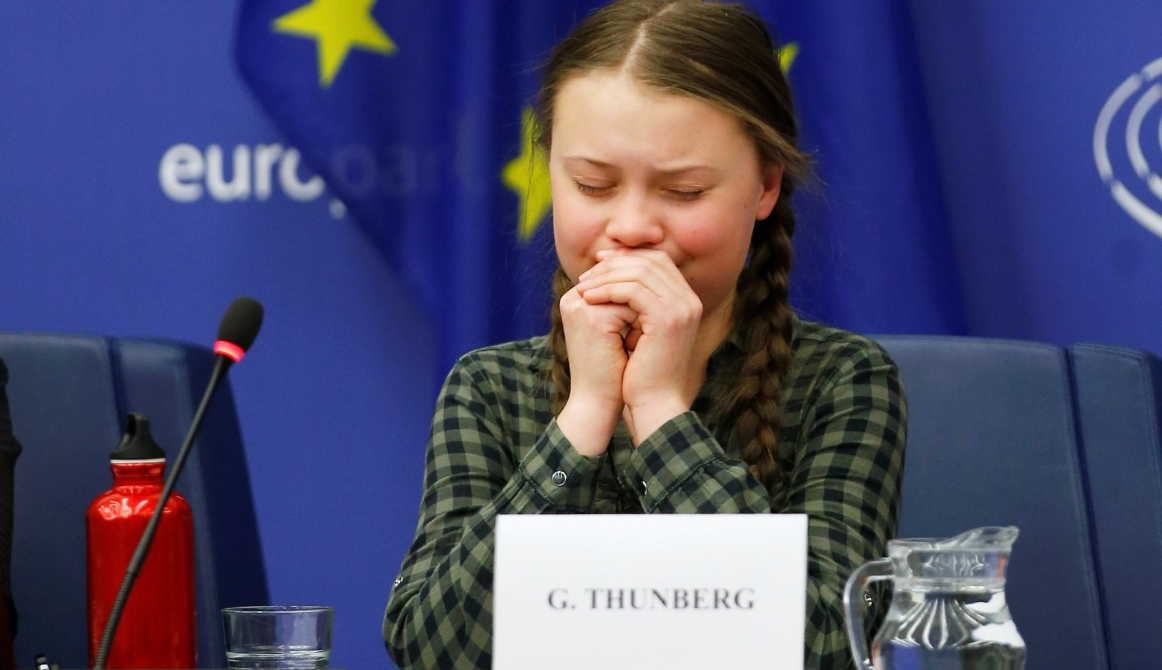
. Greta Thunberg cries.
Climate alarmism was functional to a global machine of power. With the excuse of saving the planet, more bureaucracy, more interventionism, more cross-subsidies and more pressure on productive sectors were promoted
. Meanwhile, those who questioned the excesses of the green story were treated as heretics, deniers, or enemies of humanity.
Radical environmentalism sold fear for years. Now, those responsible for the international “technical” framework admit the falsehood of the models they used to support