Iran planted mines in the Strait of Hormuz and causes a new escalation of international tension
porEditorial Team
Argentina
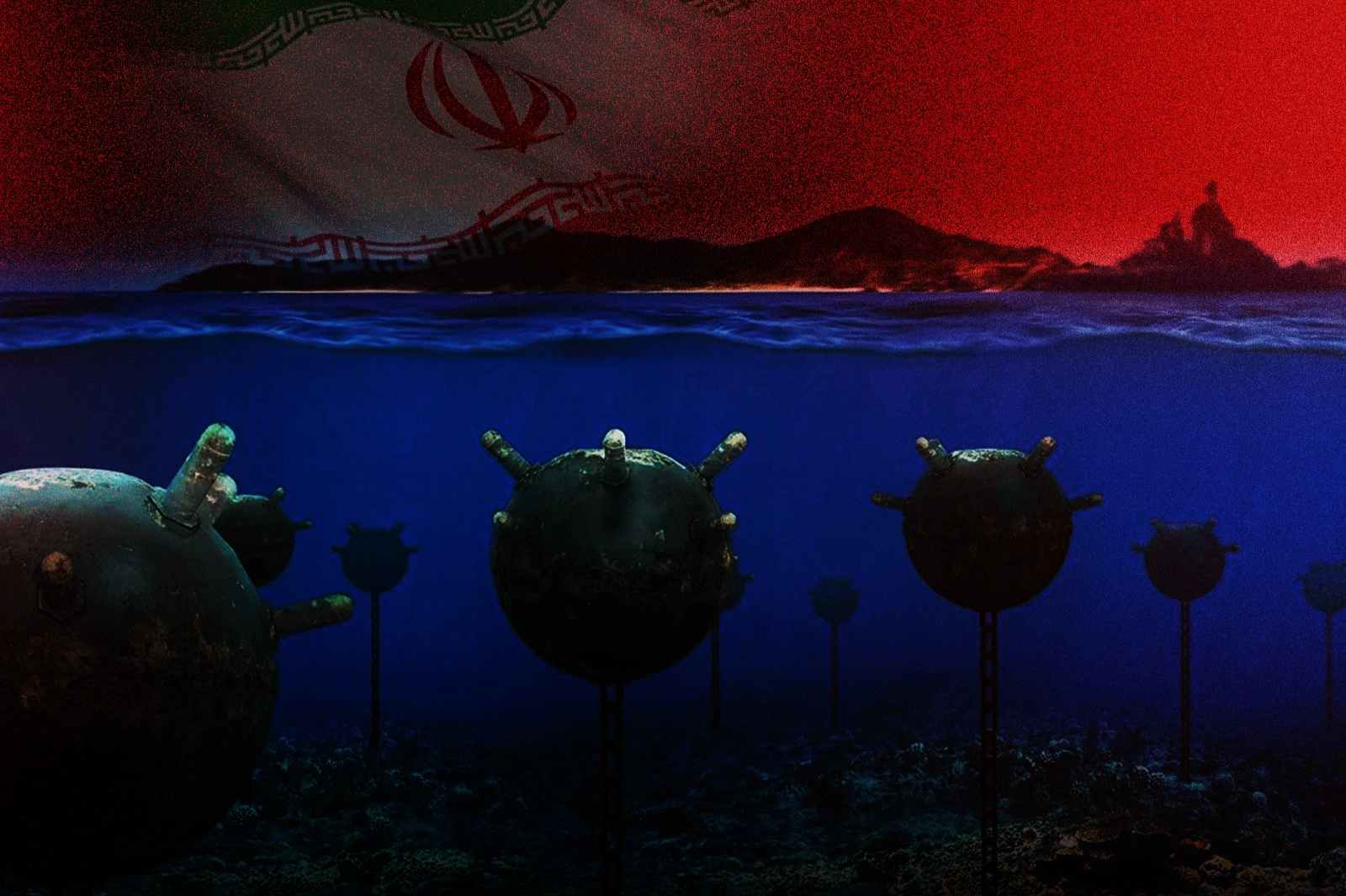
The Iranian terrorist regime has once again increased tension after deploying mines in the Strait of Hormuz.
Iran has begun to lay naval mines in the Strait of Hormuz, the world's most important maritime passage for transporting oil, according to sources familiar with US intelligence reports. The measure has generated international alarm and strong criticism, since it directly threatens the safety of a route through which about a fifth of the world's oil transits
.
According to the sources cited, the number of mines deployed so far is limited, with only a few dozen placed in recent days. However, experts warn that the risk of escalation is high, since Iran keeps between 80% and 90% of its small vessels and ships capable of carrying out mining operations, which would allow it to deploy hundreds of explosives in the strait
if it decided to intensify its actions.
The Strait of Hormuz connects the Persian Gulf with the Indian Ocean and constitutes a strategic route for global energy trade. Millions of barrels of crude oil pass through this route every day from producing countries such as Iraq, Kuwait and Saudi Arabia. Any interruption of maritime traffic in this area has immediate consequences on energy supply and international markets
. Iran has so far deployed a limited number of mines, but smaller vessels could continue mining in the strait
According to previous reports, the operation is being coordinated mainly by the Iranian Islamic Revolutionary Guard (IRGC), which together with the Iranian navy maintains military control of the area. This military body has fast boats, ships specialized in laying mines, ships loaded with explosives and coastal missile batteries, allowing it to deploy multiple threats against
maritime traffic.
The Revolutionary Guard had previously warned that any ship crossing the strait could be attacked, which has considerably reduced maritime traffic since the beginning of the conflict. Some analysts have even described the area as a “valley of death” due to the high risk faced by ships trying to cross it
.
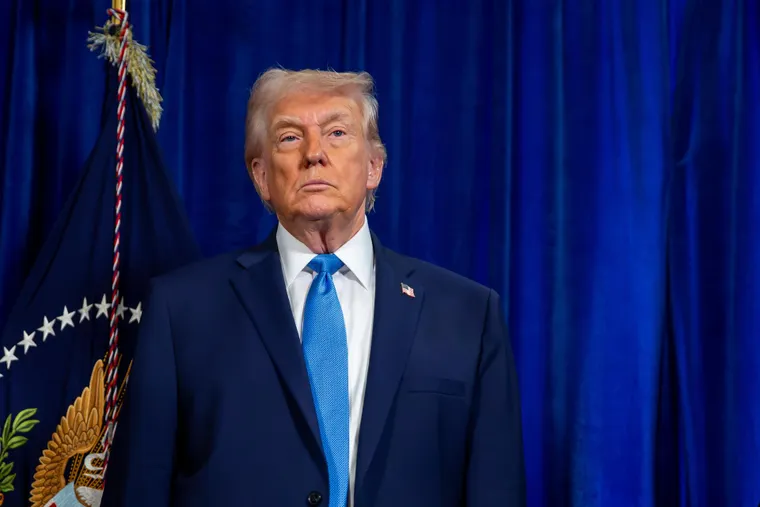
The reaction of the United States was immediate. President Donald Trump stated on his social network Truth Social that, if Iran has planted mines in the Strait of Hormuz, they must be removed “immediately”. Trump also warned that, should the explosives remain in the area, Iran will face consequences “at a level never seen before.” At the same time, he indicated that removing the mines would be a positive gesture to reduce tension.
President Trump urged Iran's terrorist regime to remove all mines
Subsequently, the US Secretary of War, Pete Hegseth, reported that, by order of the president, the United States Central Command (CENTCOM) has carried out operations against Iranian vessels involved in the planting of mines. He said U.S. forces destroyed several Iranian navy ships near the strait, including at least 16
miners.
The situation is already having an impact on energy markets. Approximately 15 million barrels a day of crude oil and another 4.5 million barrels of refined fuels are currently blocked in the Persian Gulf due to insecurity in the
strait.
Uncertainty about the capacity to transport oil through this strategic route caused strong fluctuations in the crude oil market on Tuesday. The price of a barrel changed sharply, moving from more than 90 dollars to less than 80 dollars in a matter of
hours.
International analysts have criticized Iran's strategy, pointing out that the use of the Strait of Hormuz as a tool of geopolitical pressure puts the world's energy supply at risk and increases the danger of military escalation in the region. Meanwhile, tension continues to grow at one of the most sensitive points in global trade.
Secretary of War Hegseth announced that a major attack was carried out against Iranian vessels