Tehran confirmed the first meeting of the joint committee with Oman to discuss the future management of the Strait of Hormuz, while ruling out an immediate meeting with the United States
Iran confirmed on Monday that it held the first meeting with Oman to begin defining the future administration of the Strait of Hormuz, while denying that there is a scheduled meeting with representatives of the United States, refuting reports circulated by American media.
The meeting between Iranian and Omani delegations took place in Muscat as the first session of the Joint Committee of Hormuz, created following the memorandum of understanding recently reached between Iran and the United States to end the regional conflict.
Iran and Oman began discussing the future management of the Strait of Hormuz
The Iranian Foreign Ministry reported that representatives from both countries "exchanged views" on the future administration of the strait, one of the most strategic maritime corridors on the planet.
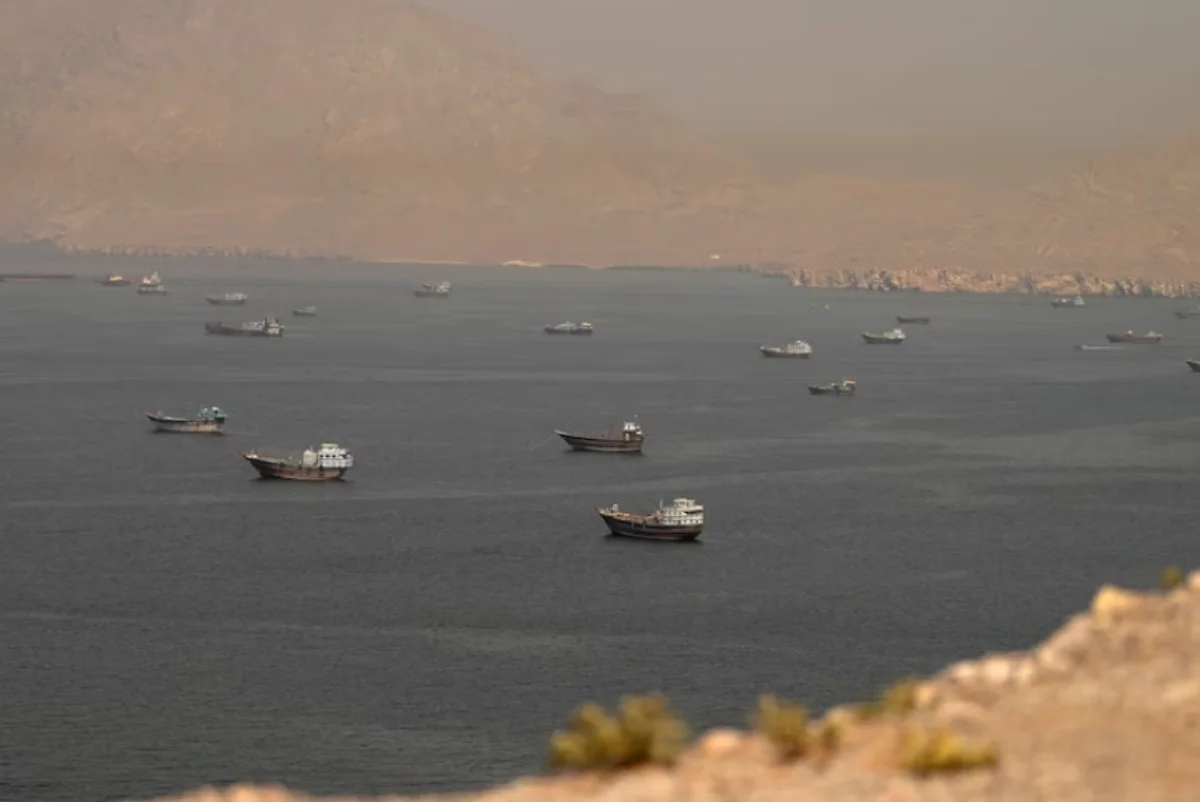
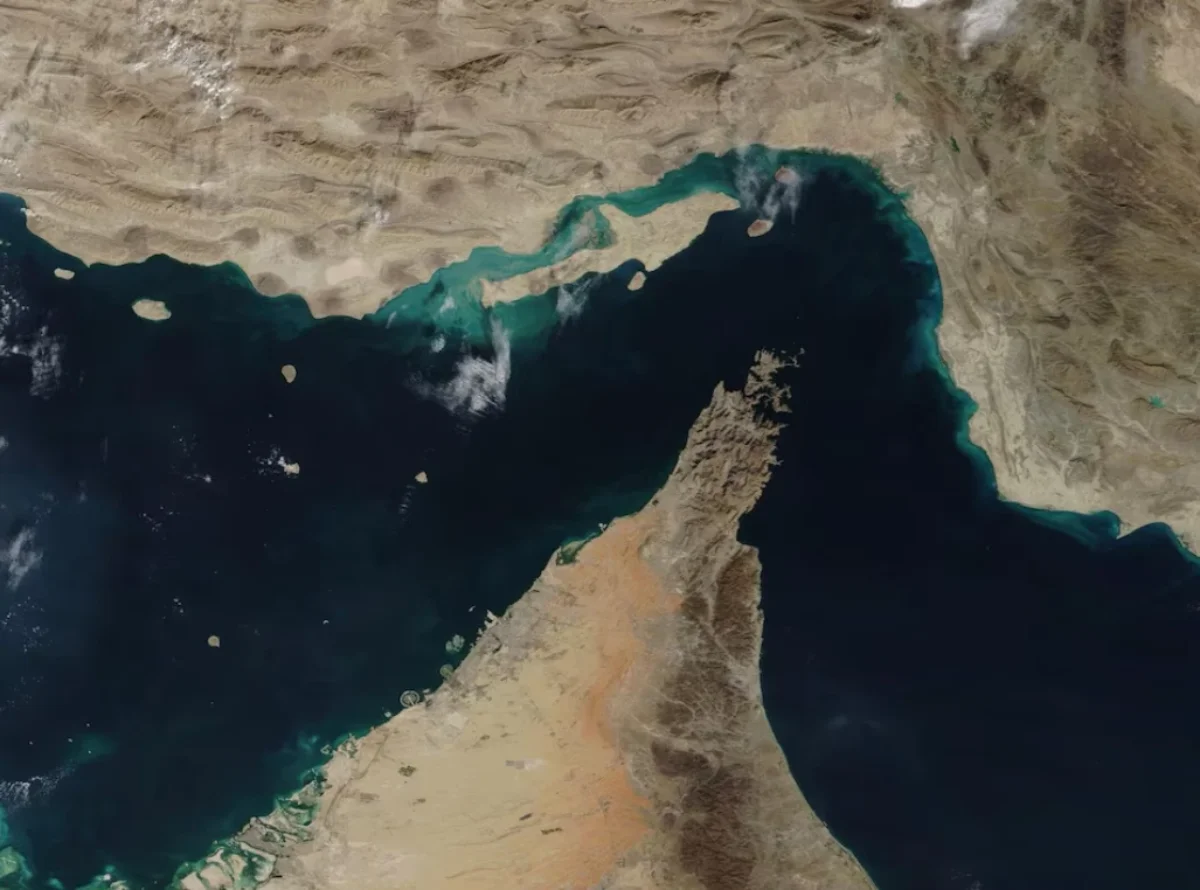
Before the conflict, about 20% of the oil and gas consumed in the world passed through Hormuz, making it a key point for international hydrocarbon trade.
The bilateral committee was announced last week with the aim of reaching a joint management scheme for the maritime passage.
Washington confirmed a pause in attacks, but differences persist
The meeting took place after the United States and Iran temporarily suspended mutual attacks, according to a U.S. official.
"Both parties will refrain for now and vessels will be able to transit freely", the official stated, adding that technical talks outlined in the memorandum of understanding signed on June 17 will continue.
The truce came after a new exchange of attacks over the weekend.
Washington confirmed a pause in the attacks, but differences persist
The United States bombed Iranian positions on Saturday, accusing the regime of having attacked two commercial vessels days earlier. In response, Tehran launched attacks against Kuwait and Bahrain, countries that host significant U.S. military bases.
Tehran denied an immediate meeting with the United States
Despite the continuation of technical contacts related to the peace agreement, Iran categorically ruled out that there is a scheduled meeting with U.S. officials in the coming days.
The clarification responded to reports published by U.S. media claiming that delegations from both countries would meet in Qatar to specifically discuss the future of the Strait of Hormuz.
The Iranian diplomacy rejected that information and assured that no bilateral meeting is planned.
The conflict revolves around control of the Strait of Hormuz
The main disagreement continues to be who will exercise effective control over navigation in the strait.
Iran maintains that Hormuz will not operate under the same conditions as before the conflict, when transit was free, and proposes to establish a fee system for vessels crossing the maritime route, a proposal that is also being discussed with Oman.
Washington rejects that possibility.
Moreover, the United Nations Convention on the Law of the Sea recognizes the right of transit passage for such international straits, although Iran has never ratified that international treaty.
Tehran insists on controlling maritime transit
Although the strait was reopened last week, after being closed since the start of the war on February 28, Iran continues to attempt to impose new conditions for navigation.
The regime insists that vessels must use a corridor close to the Iranian coasts, although in recent days numerous ships opted to navigate along the Omani coastline.
The Iranian Foreign Minister, Abbas Araqchi, reiterated that "only Iran is responsible for the management of the strait" and warned that any attempt to modify that scheme "will only lead to more complicated situations and delays in the reopening" of Hormuz.
The stability of the agreement remains fragile
Diplomatic negotiations are progressing while the memorandum of understanding signed between Washington and Tehran remains under strong military tensions.
While both parties agreed to temporarily suspend hostilities, the recent cross bombings demonstrated that the conflict remains latent, as differences continue over the control of the Strait of Hormuz, a strategic infrastructure whose operation is crucial for global energy trade.