The Iranian regime has once again heightened tensions with the United States by announcing a $30,000 reward for anyone who kills or captures an American soldier and hands them over to the authorities, a measure that exposes the growing radicalization of Tehran's stance as disputes continue over the conflict and the strategic Strait of Hormuz.
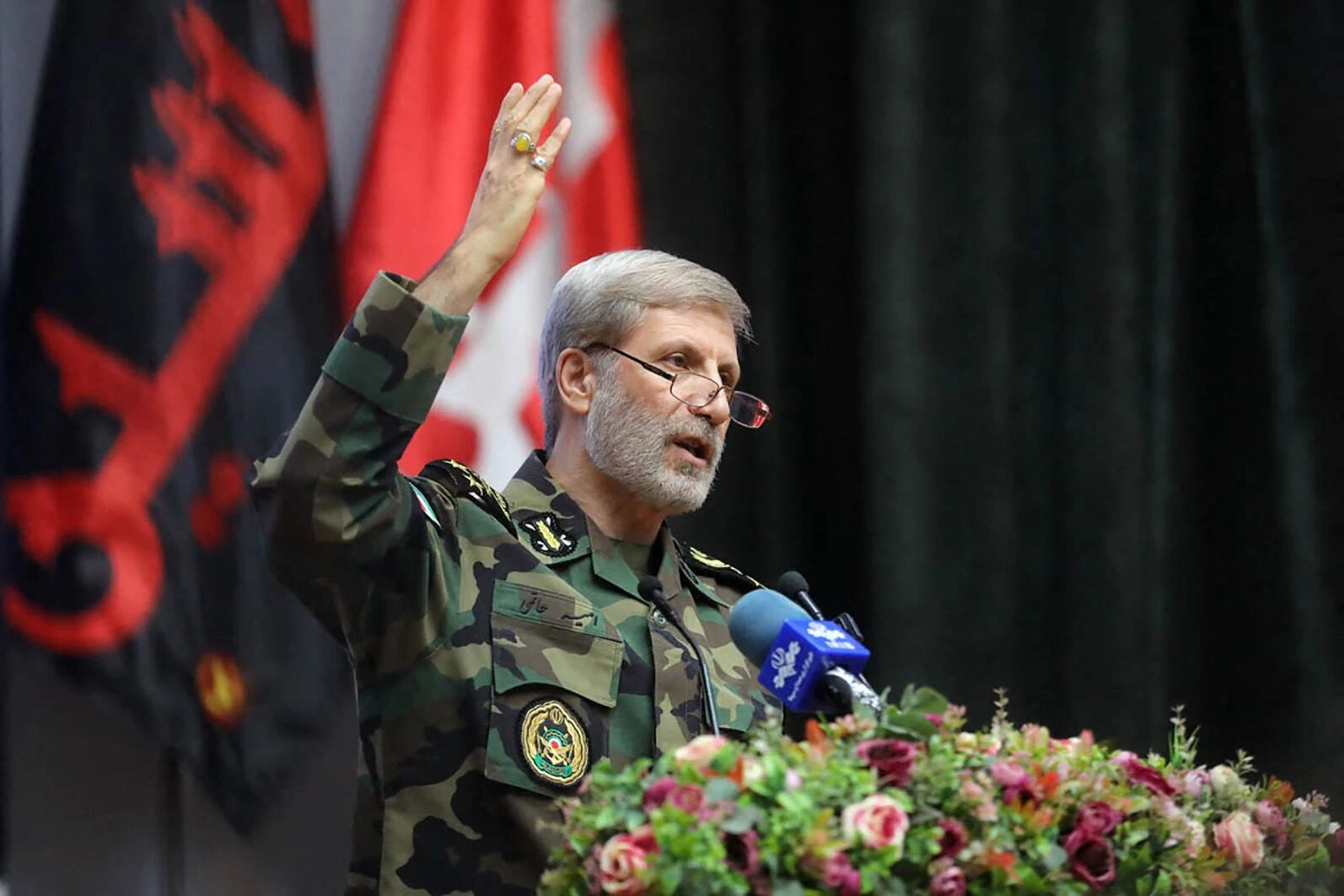
The commander-in-chief of the Iranian Army, Major General Amir Hatami, announced the reward on Sunday, August 16, during a ceremony that, according to state media, was held to honor journalists. Hatami stated that any individual who kills or captures an American military member would receive $30,000. The general even suggested doubled the reward if the person carrying out the action were an Iranian woman.
The threat was accompanied by an even more provocative proposal. According to Iranian authorities, the regime would be willing to purchase the weapon used to kill the American soldier to later display it in a museum. The initiative demonstrates Tehran's willingness to officially reward violence against American military personnel and adds a new risk to an already highly unstable regional scenario.
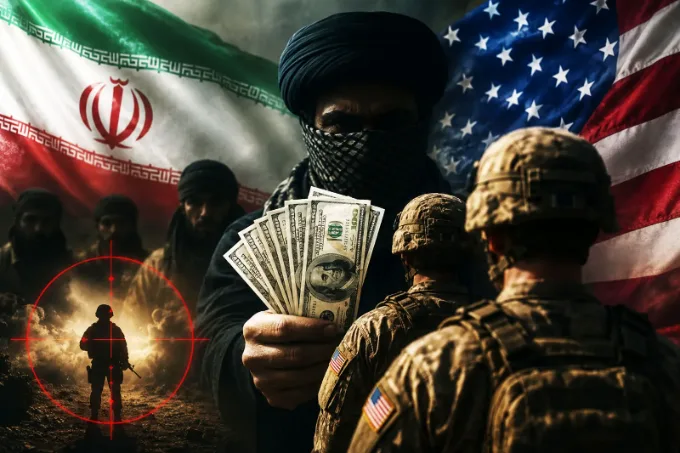
The armed forces of the Iranian regime promised a payment of USD 30,000 to anyone who kills American soldiers
In a separate statement published the same day, the Iranian armed forces assured that they would continue their so-called ''resistance'' against the United States and Israel until achieving their ''complete defeat''. The declaration reflects the hardline stance maintained by the Iranian regime, despite diplomatic efforts that had been initiated to try to reduce hostilities.
The announcement came a day before the scheduled expiration of the Memorandum of Understanding reached between Washington and Tehran. The provisional agreement, revealed on June 17, established a 60-day negotiation period aimed at ending the conflict, facilitating the reopening of the Strait of Hormuz, and addressing international concerns regarding Iran's nuclear program.
However, the understanding quickly deteriorated. President Donald Trump declared in early July that the ceasefire was over due to ongoing attacks from Iran. In the following weeks, commercial vessels attempting to pass through the Strait of Hormuz were attacked, prompting a U.S. military response.
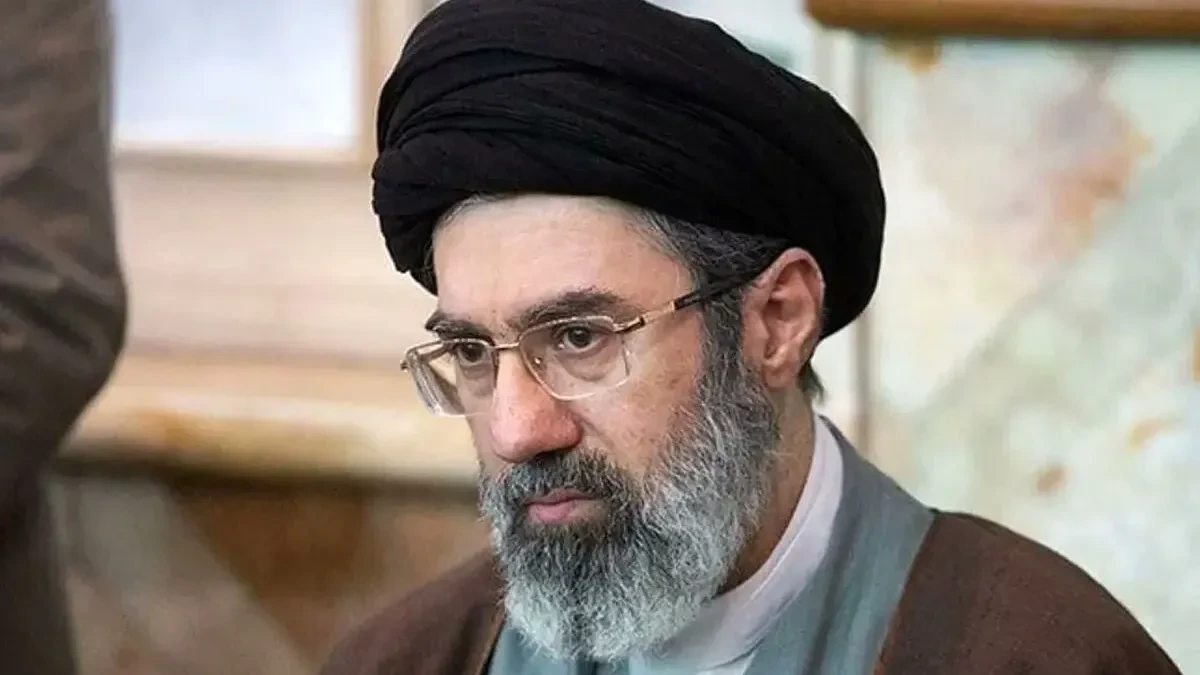
The Iranian terrorist regime claimed that they will not stop their military actions against the United States until they achieve their "complete defeat"
The U.S. Central Command (CENTCOM) responded with strikes against 80 Iranian targets, further escalating the confrontation between the two countries. Trump subsequently tightened his conditions for any negotiation. On August 10, he stated that Iran must take economic responsibility for the damages and deaths caused in various countries in the region.
''Regarding negotiations with Iran, Iran should be responsible for the damages and deaths caused to the people of Lebanon, Syria, Yemen, and Gaza,'' Trump wrote on Truth Social. The president had also previously demanded reparations for the families of those killed by the Iranian regime, including tens of thousands of protesters who, according to estimates related to protests that occurred this year, were victims of repression.
Uncertainty also continues to affect the Strait of Hormuz, one of the most important maritime routes on the planet. Before the conflict, approximately one-fifth of the oil traded globally passed through this route, so any prolonged disruption could have international economic consequences.
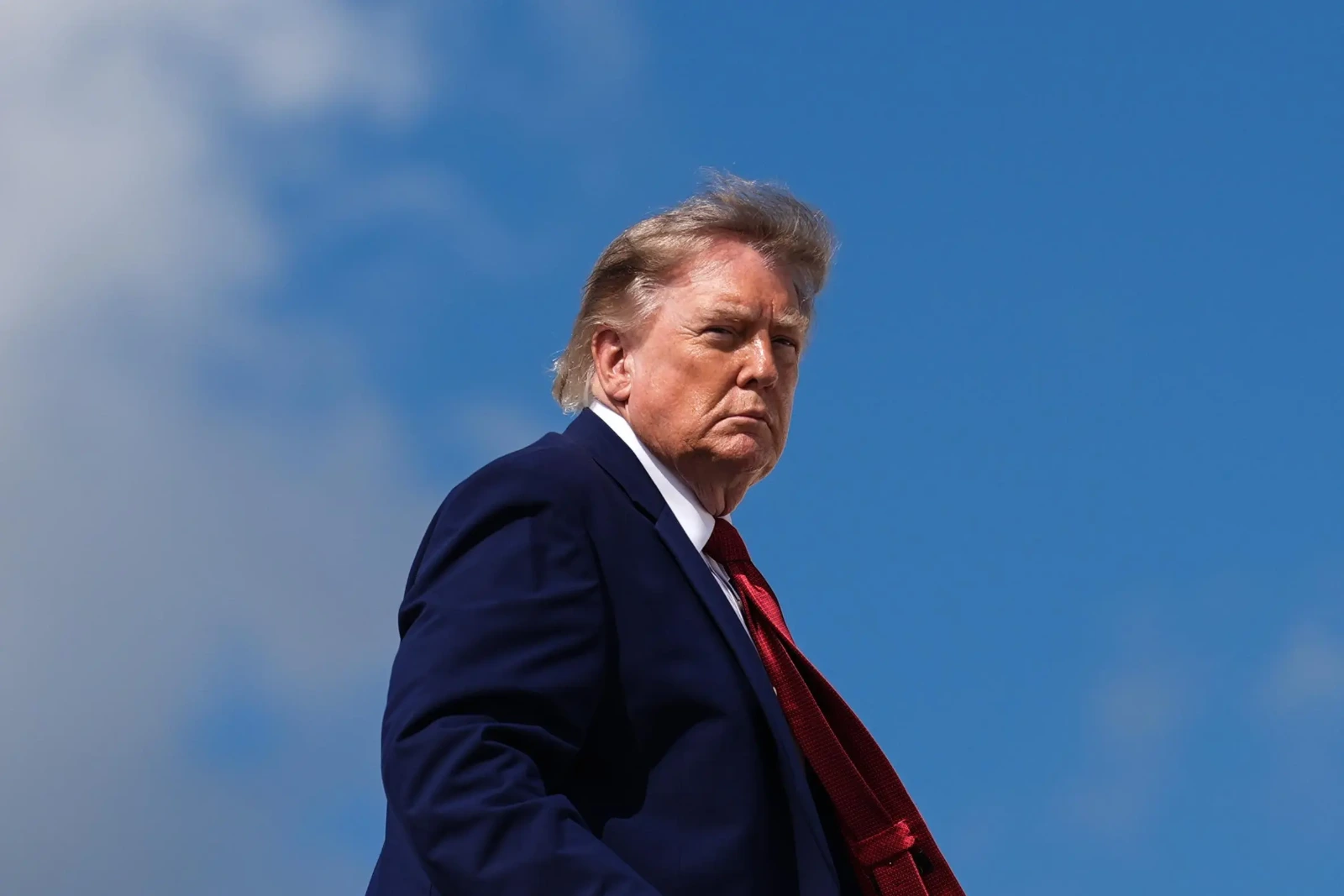
President Donald Trump recently demanded compensation for the families of the victims of the Islamic regime and toughened the conditions for negotiation
The situation deteriorated again after the United Arab Emirates accused the Iranian regime of attacking several ships of the Abu Dhabi National Oil Company attempting to cross the strait between August 8 and 15. The Emirati Foreign Ministry condemned the attacks as a violation of freedom of navigation and rejected any actions aimed at obstructing international maritime routes.
The announcement of the reward against American soldiers thus represents a new escalation of Tehran's rhetoric and threats. Instead of contributing to de-escalation, the Iranian regime continues to use threats of violence, military confrontation, and pressure on international navigation, further complicating any possibility of reaching a lasting agreement with Washington and increasing risks to the stability of the Middle East.