The pattern of these attacks is often repeated: armed incursions into places of worship or rural communities, selective assassinations and kidnappings for the purpose of extortion or ideological pressure.
In many cases, the victims are unarmed civilians who were participating in religious celebrations, which further aggravates the seriousness of the events.
A brutal armed attack against two churches in Nigeria during the Easter celebrations once again highlighted the serious situation of insecurity and religious persecution faced by Nigerian Christians against Islam.
At least seven people died and several more were kidnapped when a group of armed men broke into the temples in full celebration, causing panic among the faithful.
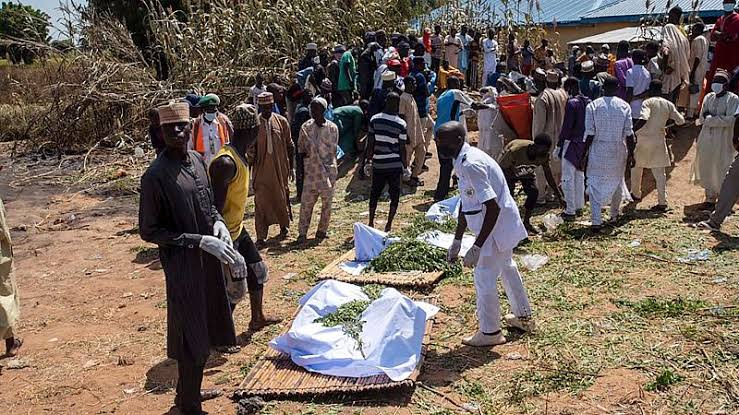
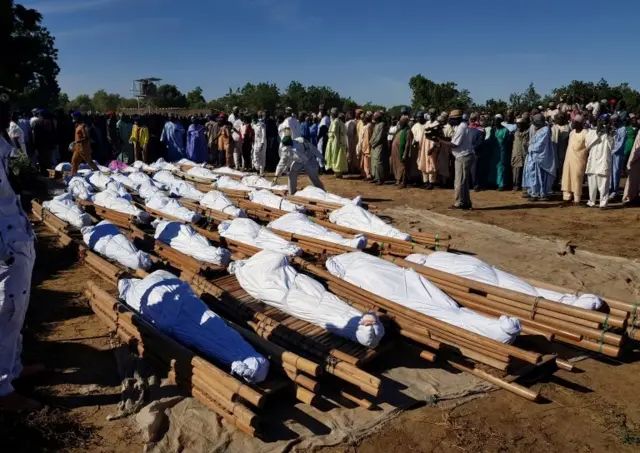
Victims of jihadist attacks in Nigeria
The attack occurred in a community in the north of the country, one of the regions hardest hit by the violence of armed groups and
jihadist organizations.
According to the first reports, the aggressors acted in a coordinated manner, entering religious venues and directly attacking the attendees, many of them gathered for one of the most important festivities in Christianity.
This new episode is not an isolated event.
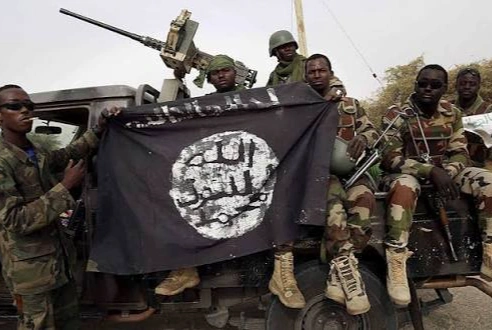
Nigeria has been experiencing an escalation of Islamic attacks against Christian communities for years, especially in the north of the country, where jihadist groups such as Boko Haram and organizations linked to the Islamic State operate.Terrorists from the Islamic group Boko Haram
In recent months, mass kidnappings in churches, murders of civilians and attacks on entire villages have been reported, consolidating
Victims of jihadist attacks
In Nigeria, this situation is combined with the State's weakness to guarantee security in large areas of the territory, which facilitates the action of these groups
.
The attack during Easter, a central date for millions of believers, reinforces concern about the advance of Islamic extremism in the region.
These are not just isolated episodes of violence, but a strategy that aims to sow terror and dismantle entire communities through fear.
In this context, the case once again raises questions about the response of the international community and the capacity of the Nigerian government to face a threat that, far from diminishing, continues to expand.
The repetition of attacks against churches shows that religious freedom remains a direct objective of radicalized Muslim groups that operate with increasing impunity.