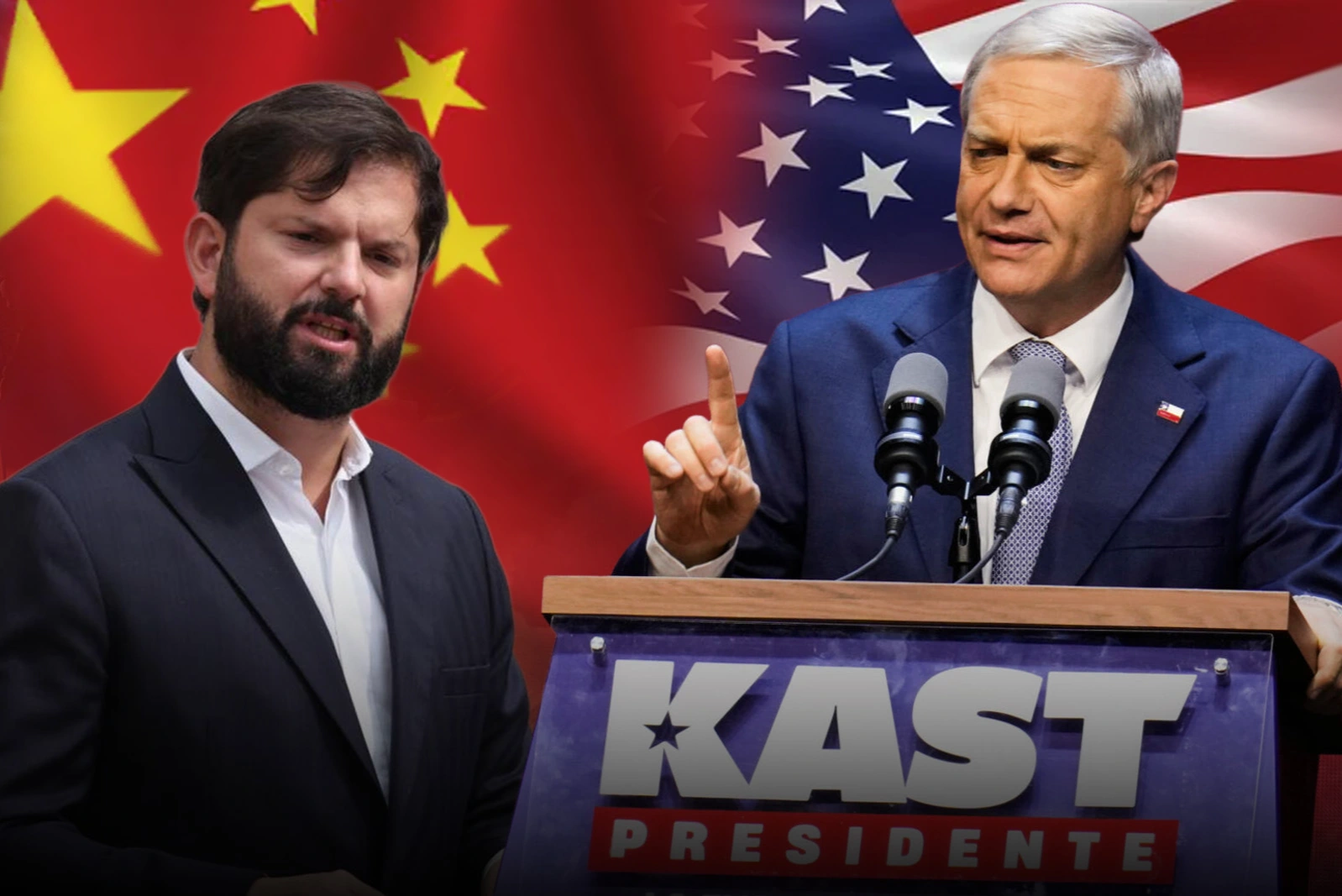

Eight days before the change of command ceremony, President-elect José Antonio Kast announced the immediate suspension of the transition process with the outgoing communist government of Gabriel Boric, after a meeting at the Palacio de La Moneda that lasted just twenty minutes and ended without agreements.
The decision, unprecedented in the country's recent political tradition, comes in the midst of a diplomatic and geopolitical conflict linked to a digital infrastructure project promoted by the Chinese company China Mobile. The initiative involves the installation of a submarine fiber optic cable to directly connect Asia with Chile, with the objective of “diversifying the country's international connectivity”, which currently relies heavily on links that cross U.S
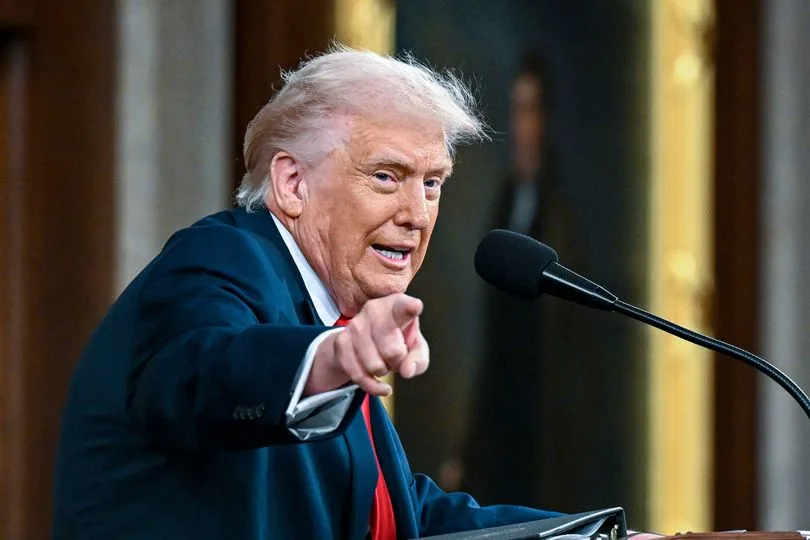
. territory.The project has raised concerns in Washington. The administration of President Donald Trump believes that the expansion of Chinese technological infrastructure in Latin America could pose major risks to regional security. Last February, the United States revoked the visas of three senior Chilean officials, including the Minister of Transportation and Telecommunications, Juan Carlos Muñoz. The Chilean government described the measure as “unprecedented” and submitted a note
of diplomatic protest.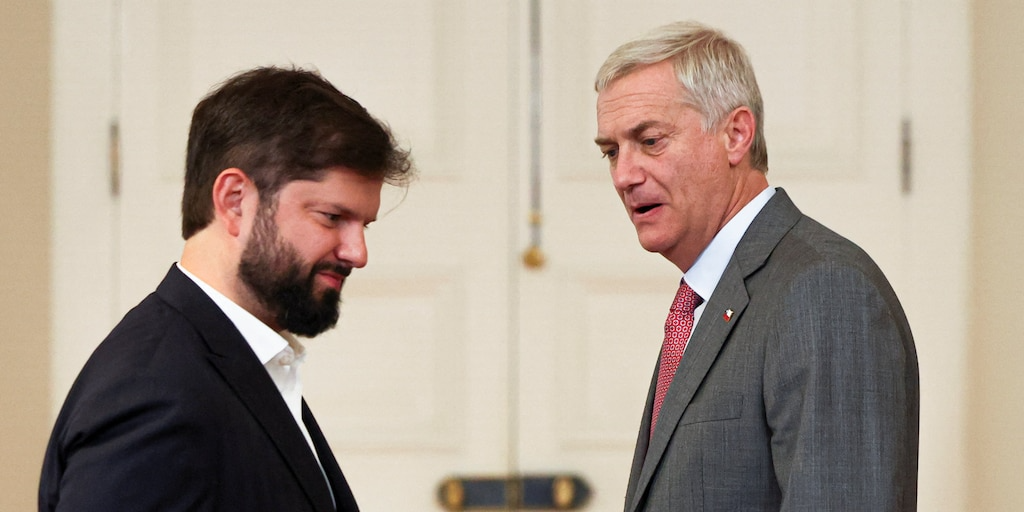
After the meeting in La Moneda, Kast accused the Executive of not providing full information about the international pressures linked to the project. According to the elected president, the topic was mentioned superficially in a previous conversation, but the scope of the conflict or the real position of the United States were not detailed. “We put an end to the transfer process because we don't trust the information that is given to us,” he told the press.