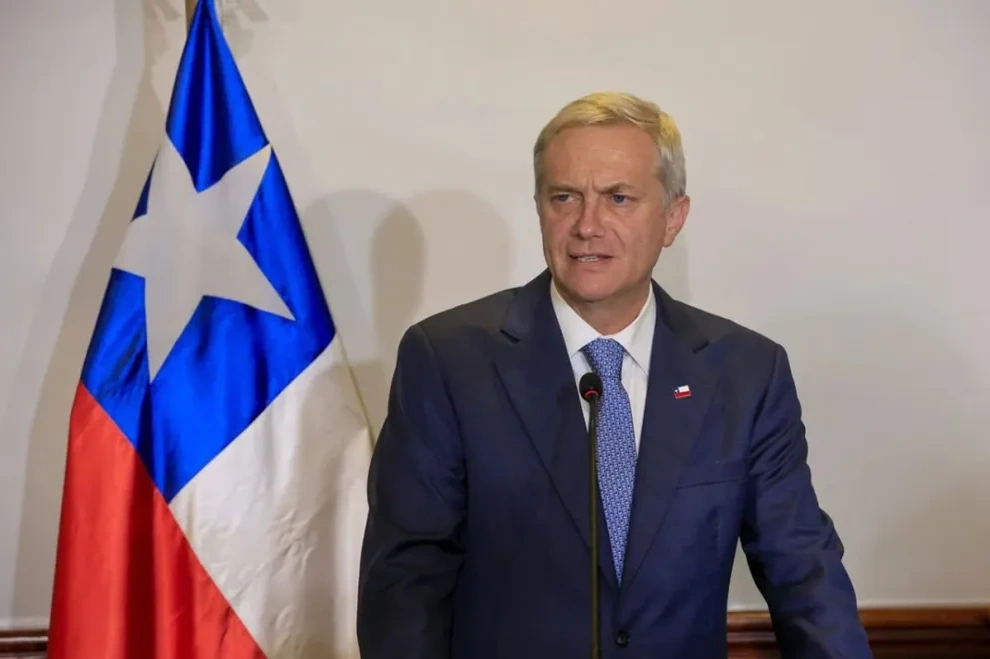
The government of José Antonio Kast is moving forward with a package of measures aimed at reactivating the economy, after several years of low growth, falling investment and increasing pressure on public accounts. The official strategy focuses on promoting capital inflows, improving competitiveness and energizing key sectors such as mining, energy and industry
.
The starting point is conditioned by the economic problems accumulated during Gabriel Boric's administration. Among them, a high fiscal deficit stands out, accompanied by an increase in public debt and a reduction in the State's room for maneuver. Added to this was a weakening investment scenario, which affected the capacity for sustained growth and generated uncertainty
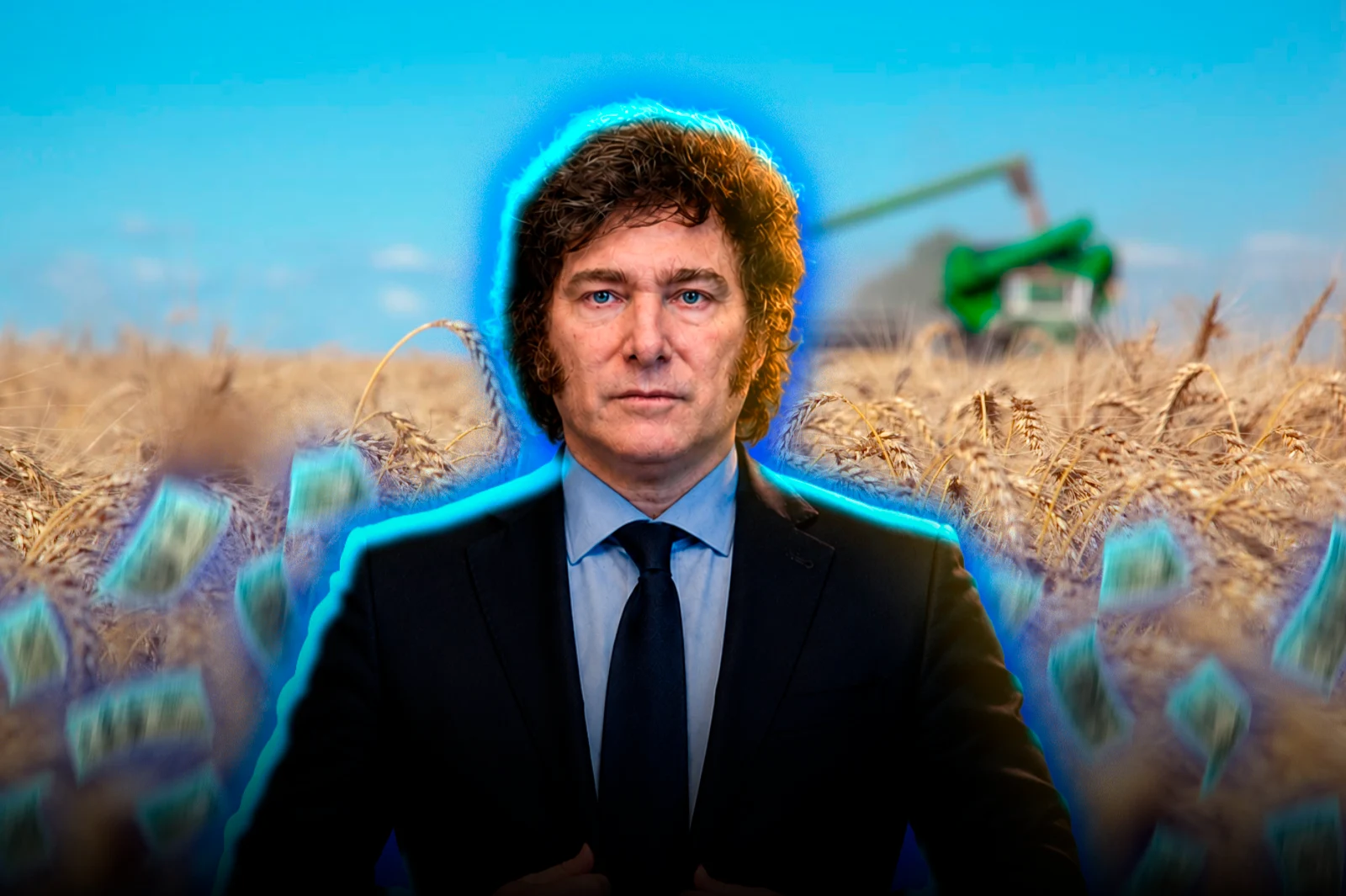
in the productive sector. President José Antonio Kast with Javier Milei
At the labor level, the Chilean economy experienced difficulties in generating formal employment, with levels of unemployment that have remained relatively high in recent years. Although inflation managed to moderate towards the end of the period, this result was mainly linked to the monetary policy of the Central Bank, rather than to structural measures by the Executive
.
Faced with this scenario, the current government is committed to an economic agenda based on incentives for private investment, regulatory simplification and openness to international markets. The objective is to regain investor confidence and reactivate long-term projects that can sustain growth
.
However, the economic direction generates debate. The business sector is calling for greater stability and predictability, while the opposition and trade union organizations are raising questions about the social impact of the reforms, especially in terms of employment and income distribution. However, the opposition has been harshly criticized for the economic crisis left by the previous administration
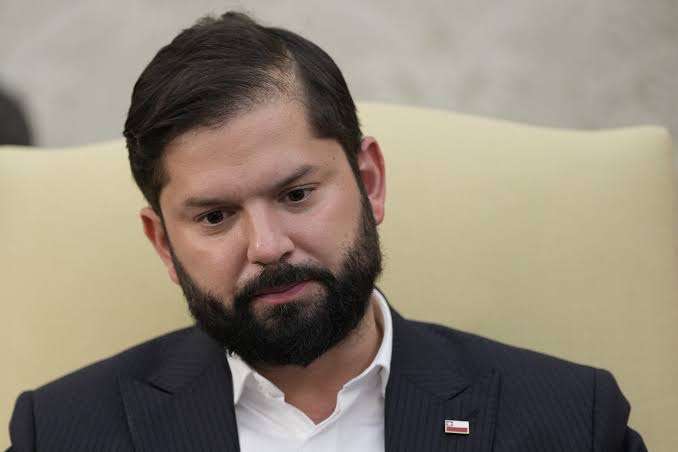
. Former President Gabriel Boric
This crisis caused by the communist Boric is one of the most important challenges facing the Kast government
.
In this context, Chile faces the challenge of balancing the need for growth with fiscal stability and social demands. The success of the measures under way will be decisive in defining the country's economic course in the coming years and consolidating a sustained recovery