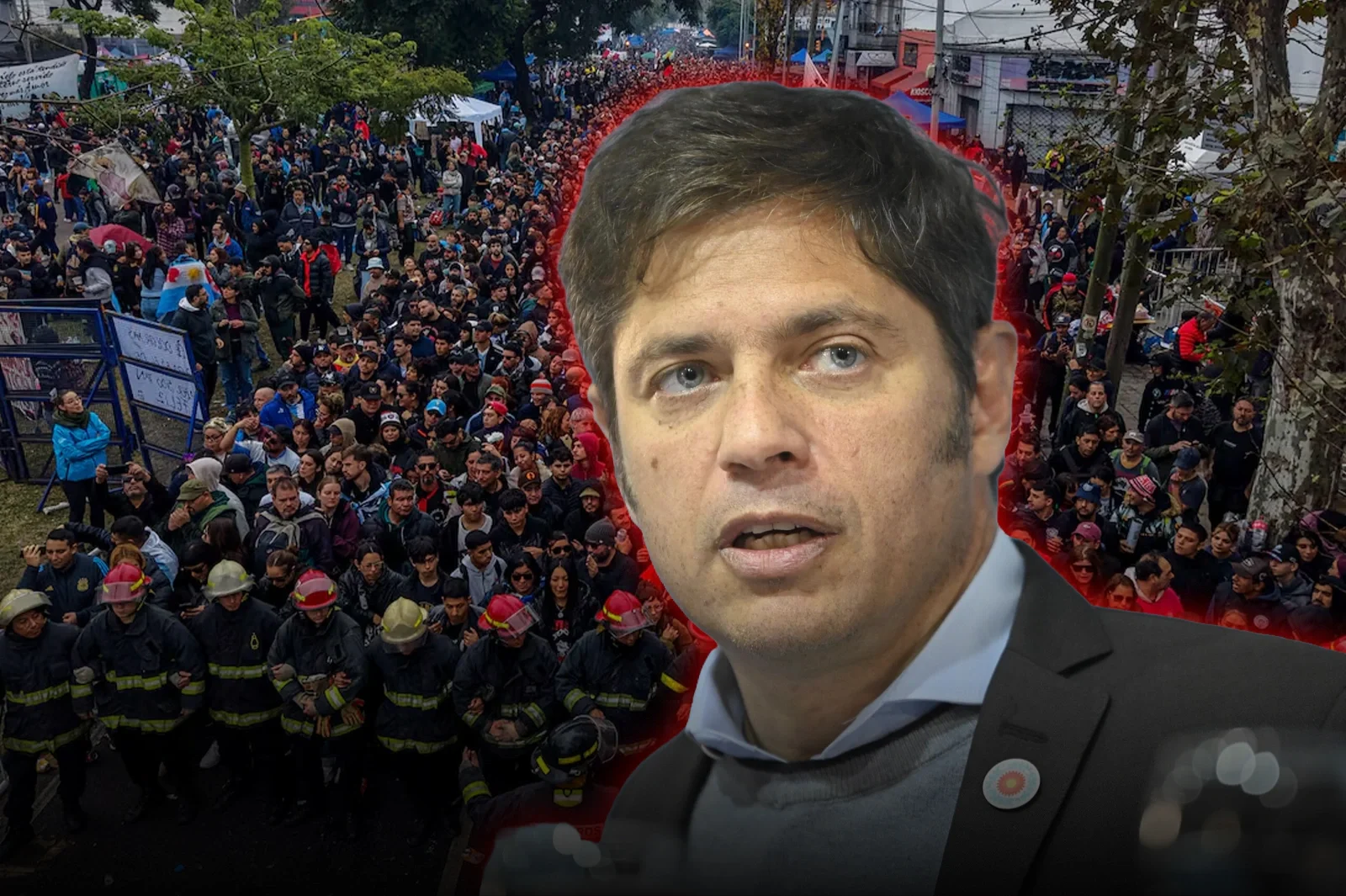






Police officers reported that they worked more than 30 consecutive hours in precarious conditions, with insufficient rations and without adequate access to rest, water, and bathrooms during the massive security operation





The province of Buenos Aires would have been shaken by the death of Carlos Alberto “Indio” Solari, who reportedly passed away at the age of 77 due to a cerebrovascular accident (CVA). In light of this historically significant event, which would have gathered more than one million people at the Microestadio Gatica in Villa Domínico, the disastrous government of Axel Kicillof would have sought to capitalize on the popular mystique. However, behind the scenes, there would be a reality that the officers themselves would denounce as unacceptable negligence and an institutional shame.
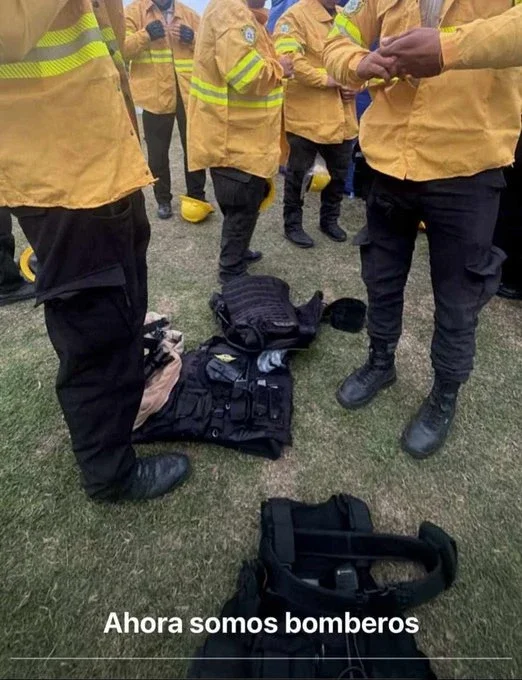
According to reports from the officers and their families, the operation that would have deployed 1,500 agents from the Buenos Aires Police would have failed spectacularly in its basic logistics. The officers from the Community Approach Force (FBA) and the firefighters would have reportedly gone more than 30 continuous hours without sleep and without relief, under persistent rain and extreme temperatures.
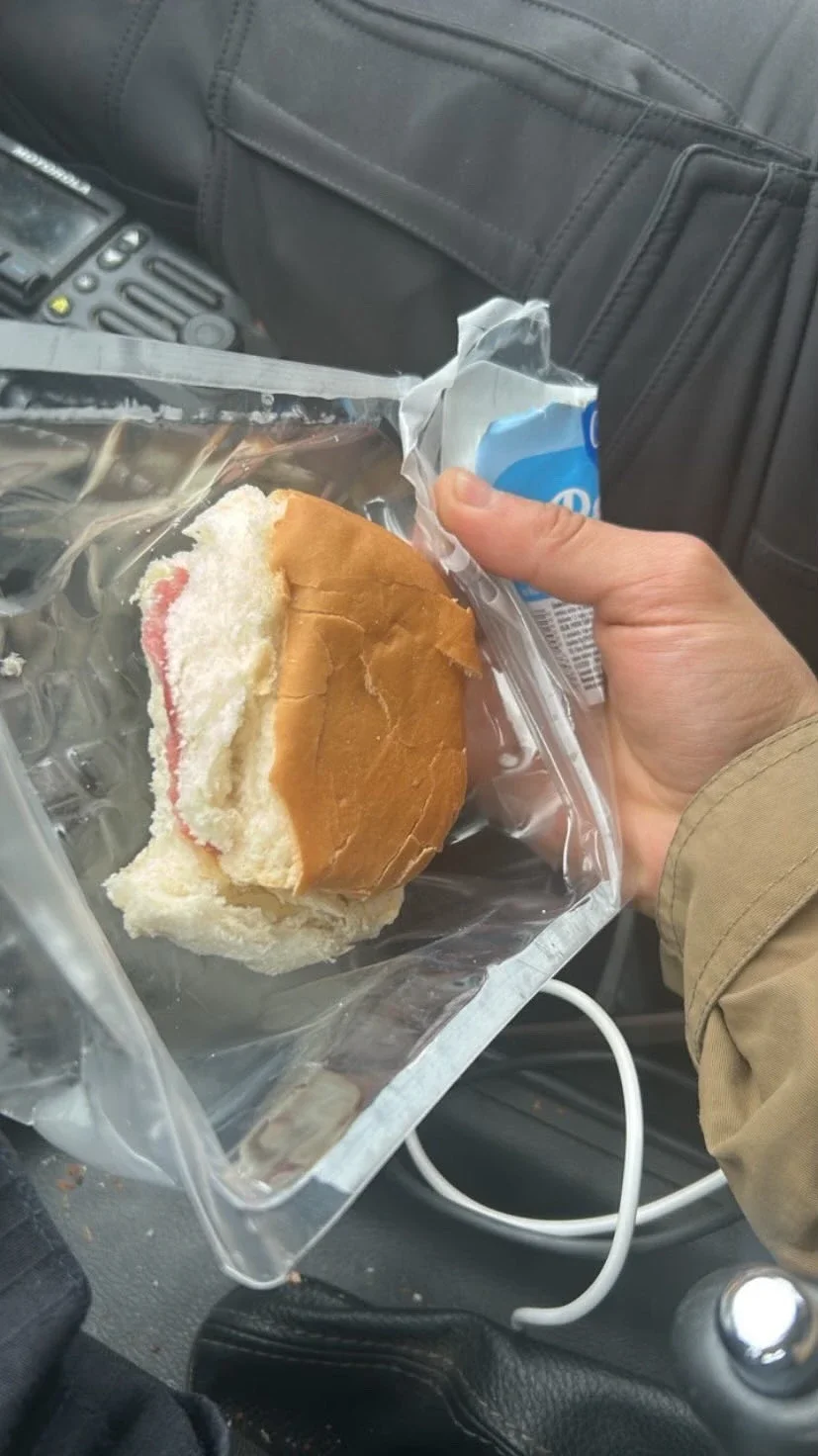
The working conditions would be described as "inhumane" for the following reasons that are being reported:
Rations would have consisted of just "one sandwich to be shared among three officers".
The public servants would lack access to bathrooms and would be "virtually thrown" on the streets.
Due to the alleged lack of water and food supplies from the State, the agents would have been forced to buy food with their own money.
This operational crisis would put the spotlight on Axel Kicillof and his Minister of Security, Javier Alonso, who would have designed an operation that some sectors would label as a "heartless tactical lock". The criticisms would target the governor's cultural matrix, pointing out that his education in London and his background in elitist schools would have distanced him from the popular suffering, executing a management that would have nothing to envy from the austerity that the Kirchnerism itself criticizes.
To exacerbate the scandal, while the officers would have been "suffering from the cold and hunger", the mayor of Avellaneda, Jorge Ferraresi, and his wife, the Chief of Staff Magdalena Sierra, would have been on leave from June 2 to July 2, 2026. It would be reported that both traveled to the United States to attend the World Cup, leaving the municipality in the hands of councilman Hugo Barruecos at the time of the greatest logistical crisis in its history.
In this scenario of abandonment, the Buenos Aires Ministry of Security would have issued statements thanking the crowd, while ignoring the voices of the police who would have guaranteed social peace under conditions that would be reported as total precariousness. If these reports are confirmed, Kicillof's administration would face a complaint for mistreatment of its own forces, in what would be considered an evident double discourse between the official narrative and the reality on the ground.