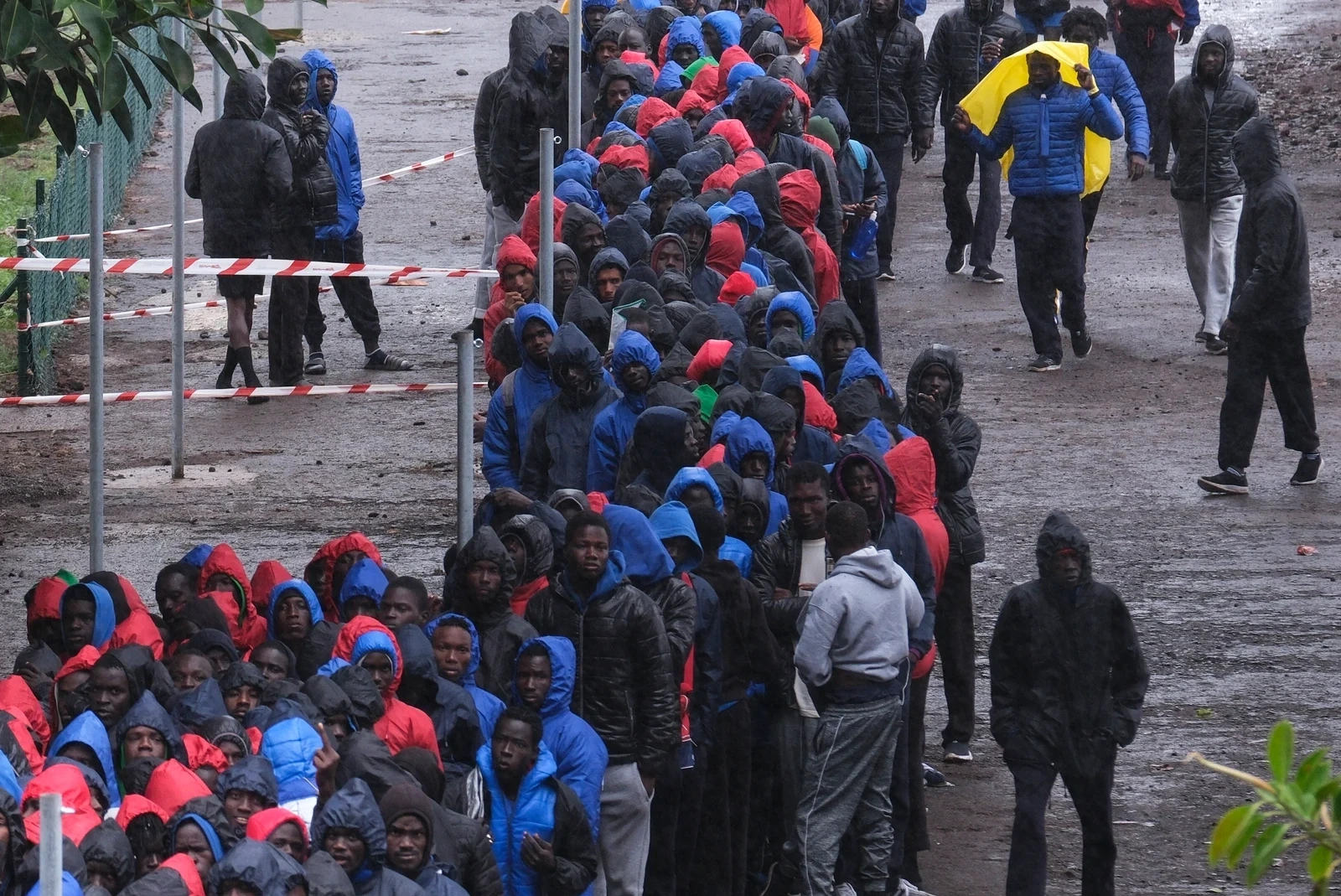

The demographic transformation of the Spanish capital has ceased to be a perception and has become a concrete and verifiable fact. According to the 2025 Annual Population Census of the National Statistics Institute (INE), the growth of the foreign population in the city of Madrid has reached unprecedented levels, consolidating a process that specialists already describe as demographic replacement. The most representative case is in the Central District. In the 119th census section of District 01, 62.3% of its 1,202 inhabitants were born in another country, implying that Spaniards of origin have become a minority in the heart of the capital. Far from being an isolated anomaly, this phenomenon is replicated in emblematic neighborhoods such as Lavapiés or Malasaña, where population transformation is evident even with the naked eye
.The process is not only profound, but also accelerated. Year after year, the demographic structure changes in parallel with a Spanish birth rate at record lows. Currently, the fertility rate remains below 1.2 children per woman, while the constant influx of foreign populations continues to alter the population balance. In the Community of Madrid, this dynamic is already reflected in several census tracts in Usera, Carabanchel and areas of Puente de Vallecas, where more than 50% of residents were born outside of
Spain.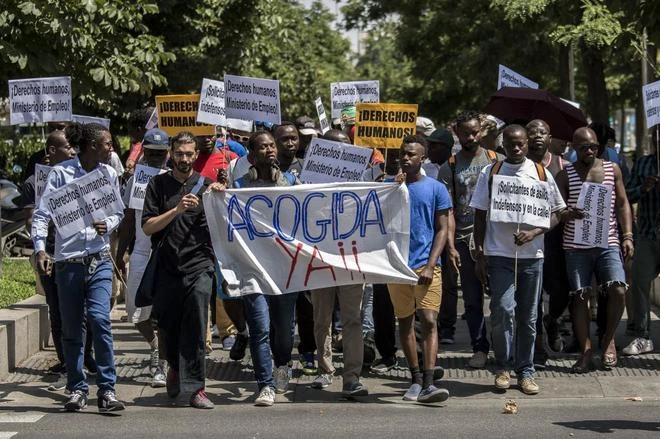
INE data are convincing and deny any attempt to relatize the phenomenon: this is not a spontaneous evolution, but the result of decades of permeable border policies and massive regularizations