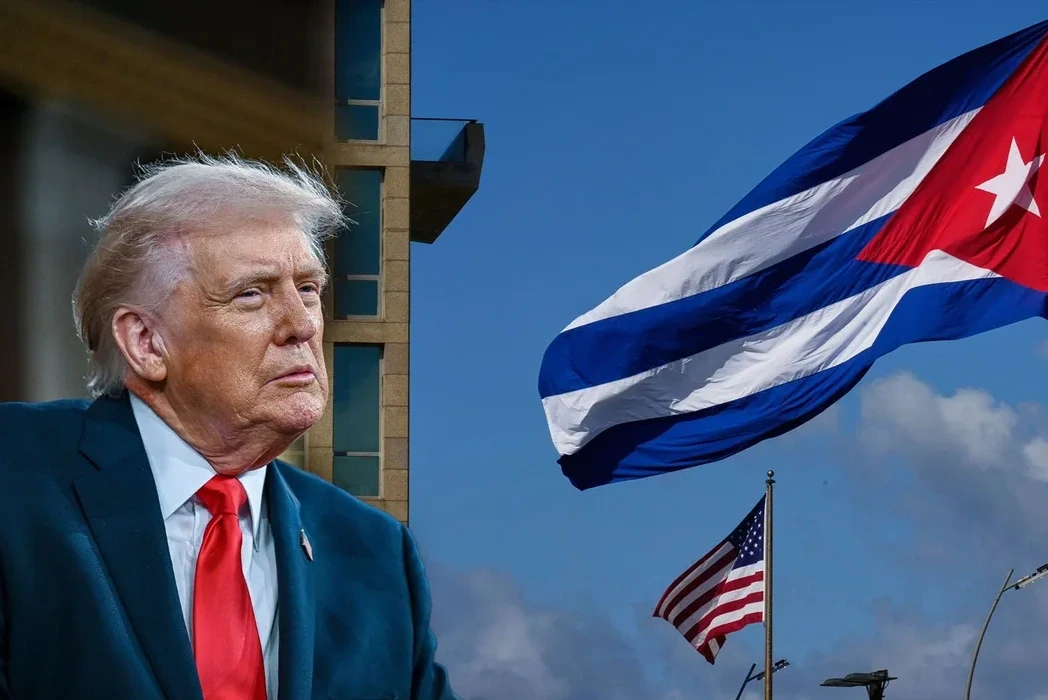

In the midst of an international scenario marked by conflicts and geopolitical reconfigurations, the United States intensifies its position vis-a-vis Cuba, combining economic pressure, diplomatic signals and the preparation of military scenarios as part of a comprehensive strategy. As revealed by USA Today, the Pentagon has begun to discreetly reinforce the planning of a possible military operation on the island, should President Donald Trump decide to move forward with direct intervention. The information, based on two sources who spoke on condition of anonymity, indicates that although there is no final decision, the Cuban scenario is already an active part of the Department of Defense's strategic planning
.These directives arise in the context of an escalation of tensions that began in January, when the Trump administration implemented restrictions on the shipment of oil to Cuba, as part of an offensive aimed at forcing radical political changes in the regime governed by the Communist Party. In parallel, the Pentagon itself said in a statement that it remains prepared to execute any presidential order and contemplates
multiple contingencies.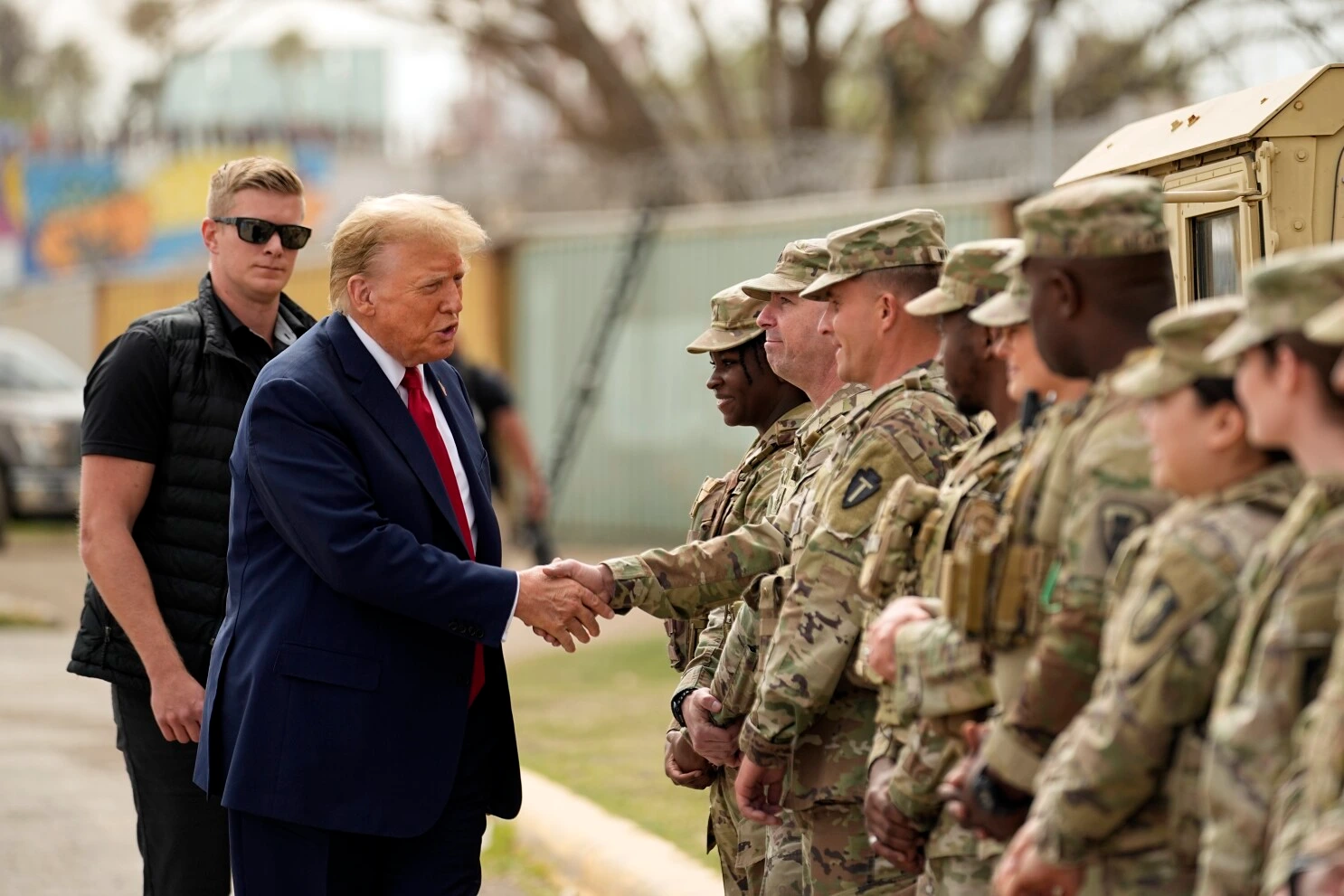
The first leaks about these plans appeared in the Substack newsletter published by Zeteo, under the title “Is Cuba Next?” , and they quickly expanded across the Capitol and various political circles in Washington, fueling speculation about a possible even greater tightening
of US foreign policy.Despite this climate, officials from both countries have acknowledged that there are preliminary contacts to try to resolve the crisis, and even in March talks were reported for a possible historic economic agreement, although without concrete progress so far.
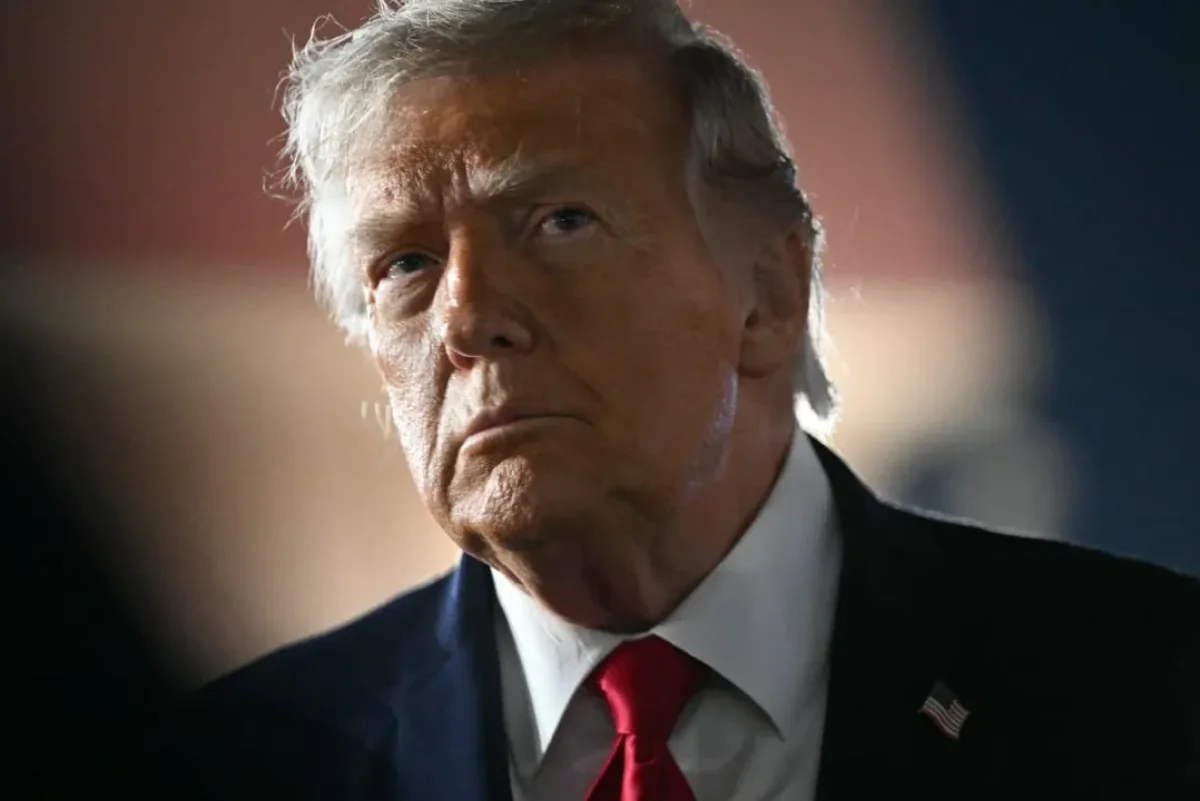
However, Trump's own tone has been decisive in building the stage. The president has made his approach clear by stating that he expects the “honor” of “taking Cuba, in some way”, adding: “Whether I release it or take it, I think I can do what I want with it.” On April 13, from the White House, he reinforced that idea by declaring to USA Today: “Maybe we'll stop in Cuba when we're done with this,” referring to the ongoing conflict