
Jorge Born has died, the businessman who survived the Montoneros kidnapping and was part of Menem's first economic plan

Jorge Born has died, the businessman who survived the Montoneros kidnapping and was part of Menem's first economic plan

Heir to the group Bunge y Born, he was captive for six months in 1974 and years later he approached the then president of the program known as Plan BB

Share:

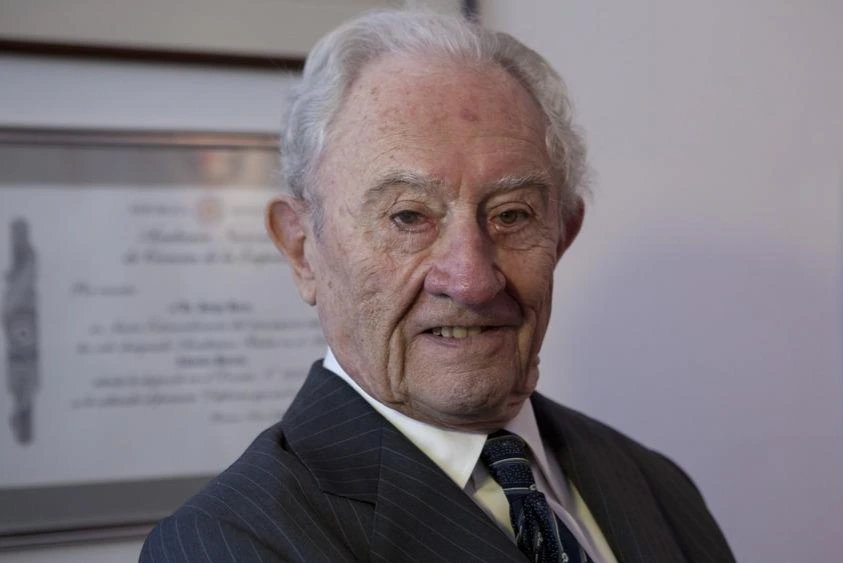
Jorge Born, one of the heirs of the historic business conglomerate Bunge y Born, passed away this Friday at the age of 92 His career was marked by the development of one of the most important companies in Argentina, the extortion kidnapping carried out by Montoneros in 1974, and his participation in designing the economic program implemented by Carlos Menem at the beginning of his presidency

Born in Buenos Aires, he completed his secondary education at the Colegio Nacional de Buenos Aires and finished his academic training at the Wharton School of Business, part of the University of Pennsylvania, United States

In 1955, he returned to Argentina and joined the family group During his early years in business, he worked in London, where the company had a firm dedicated to the import and export of grains and oils

The origins of Bunge y Born date back to 1876, when Ernesto Bunge arrived from Antwerp and called his brother-in-law, Jorge Born, to develop businesses in Argentine territory The first commercial operations began in 1884, in a context of expansion of agricultural trade

Over the decades, Bunge y Born became one of the most important business conglomerates in Latin America, with a presence in the food, chemical, textile industries, and in the marketing of raw materials
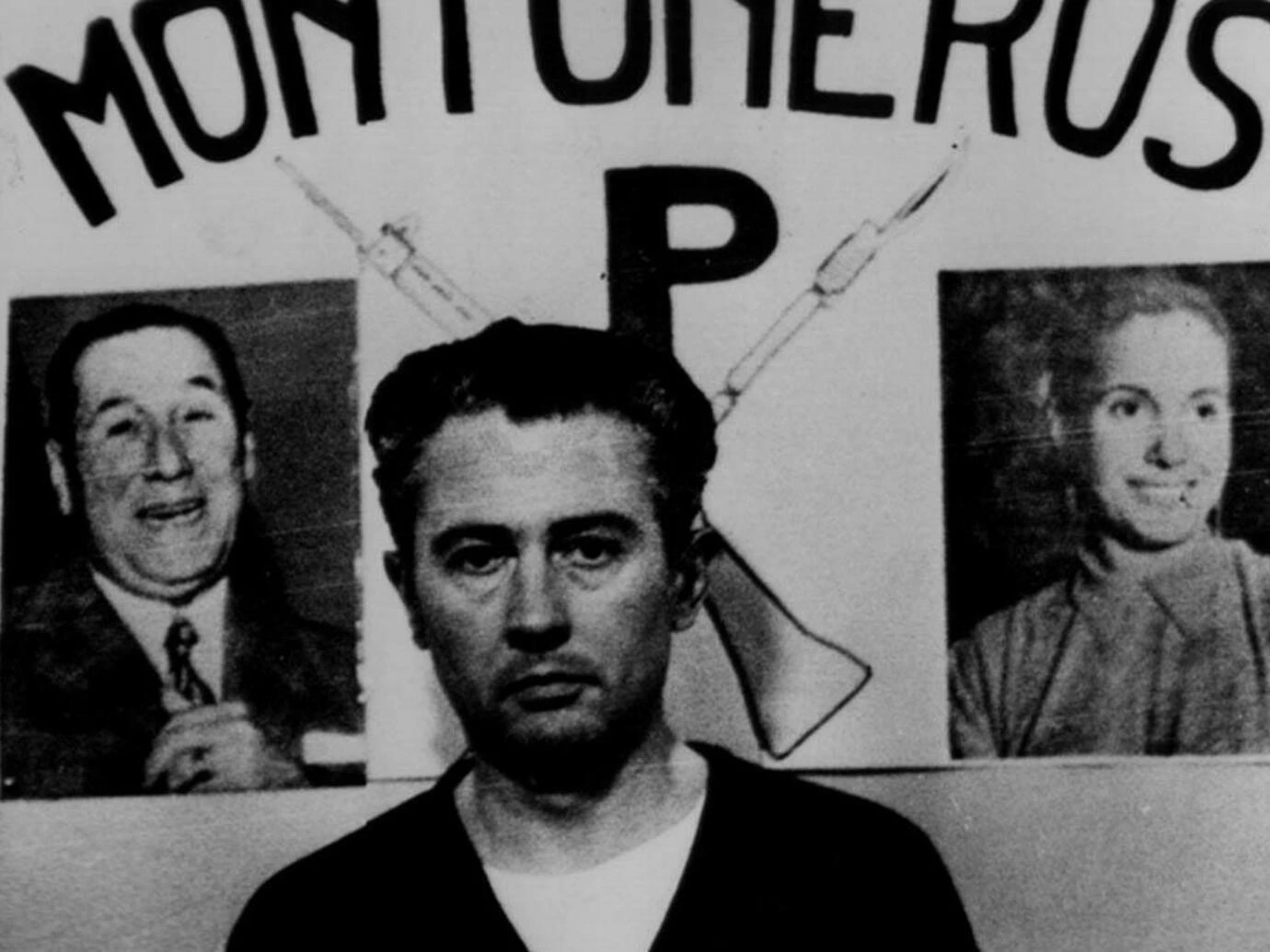
Historical photograph of the 1974 captivity.

The kidnapping of the Born brothers and the millionaire ransom from Montoneros

In September 1974, during the government of María Estela Martínez de Perón, Jorge Born and his brother Juan were kidnapped by the guerrilla organization Montoneros

Both held executive positions within the company, which at that time was led by their father The attack also resulted in the deaths of two people accompanying the businessmen

Montoneros obtained a ransom of USD 60 million, an unprecedented amount for the time During his captivity, Jorge Born had to intervene in negotiations with his own father to secure their release

Juan regained his freedom in March 1975, while Jorge remained kidnapped for nine months, until June of that same year

After that episode, the family moved the management of their businesses to São Paulo, Brazil, where the conglomerate already had a significant business structure

The business relationship with one of his kidnappers

Years after regaining his freedom, Born established a relationship with Rodolfo Galimberti, one of the leaders of Montoneros who had participated in planning his kidnapping

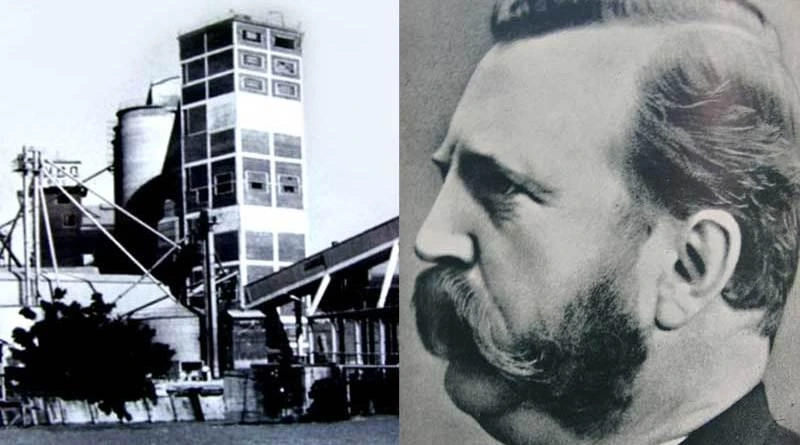
The industrial origins of the Bunge and Born group.

The businessman later explained that this approach was motivated by the possibility of recovering part of the money his family had given to the guerrilla organization

The relationship led to the creation of Hard Communication, a business partnership that Born formed with Galimberti and Jorge “Corcho” Rodríguez during the 1990s

The BB Plan and his participation in Carlos Menem's government

In 1989, with Argentina facing hyperinflation and the economic deterioration that precipitated the early departure of Raúl Alfonsín, Jorge Born played a prominent role in bringing the business sector closer to the incoming government

The businessman presented Carlos Menem with an economic program known as the BB Plan, the implementation of which brought two executives from the conglomerate to the Ministry of Economy

The first was Miguel Ángel Roig, who died a few days after taking office His replacement was Néstor Rapanelli, another man from Bunge y Born

However, the program did not succeed in stabilizing the Argentine economy, and Rapanelli left the position in December 1989

The failure of the BB Plan also had consequences for the management of the business group Born was displaced and succeeded by Octavio Caraballo, who pushed for a deep restructuring of the businesses

The process led to the disconnection of the Born family from the conglomerate and the continuation of the company under the name Bunge, with an international structure mainly focused on the agribusiness sector