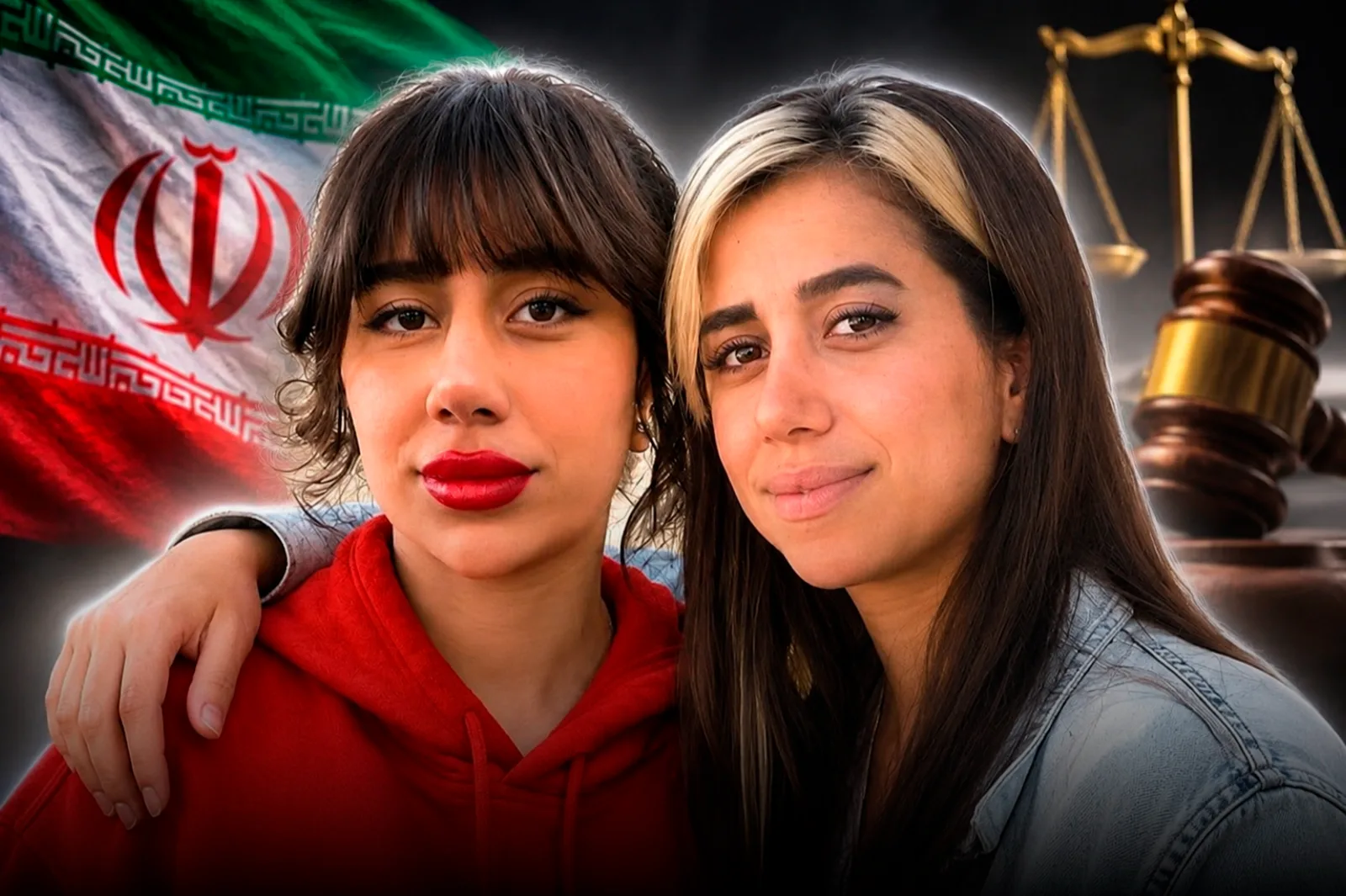
After four months without hearing from them, their mother managed to find them in prison and, according to the family account, recognized Taraneh by her voice: the blows had left her face unrecognizable
The heartbreaking suffering of Taraneh Rahimi, a 21-year-old whose only aspiration was to run her own horse breeding farm, embodies the cruelty intrinsic to a system suffocated by barbarism. Kidnapped from her bed in the middle of the night along with her twin sister, Romina Rahimi, by masked men from the Islamic Revolutionary Guard Corps(IRGC) in the city of Isfahan, just two weeks after participating in civil protests, both young women were plunged into the horror of Dowlatabad prison.
Her mother, Marzieh Nourmohammadi, after four months of agonizing and fruitless searching, was only able to recognize them in May by the sound of their voices, upon finding faces deformed by bruises and scalps torn away after being brutally dragged by their hair.
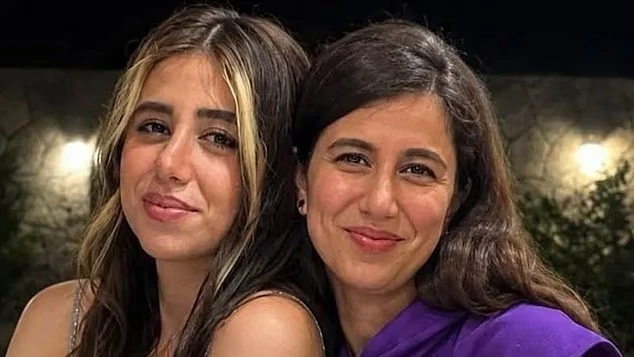
The twin sisters, Romina and Taraneh Rahimi
According to her cousin Masoud Nourmohammadi in an interview with BBC News Persian, Taraneh Rahimi suffered beatings so extreme that they prevent her from walking normally, in addition to suffering from a severe ear infection resulting from an untreated head injury that severely affected her balance. To extract a “false confession”, the ruthless interrogators resorted to psychological torture, threatening Taraneh Rahimi that “the prison guards would rape Romina in front of her”.
Despite the defense filing formal complaints for torture and sexual abuse, the investigation was entrusted with total impunity to the same officer accused of being the perpetrator of the abuses. With no evidence that she carried a “sharp weapon” and having categorically denied the accusations against her, the theocratic court sentenced Taraneh Rahimi to death by hanging on the charge of moharebeh, defined in the Islamic Penal Code as “wielding a sharp weapon with the intention of endangering the lives of people”. Meanwhile, her sister Romina Rahimi was sentenced to 25 years in prison for complicity. Since the reading of the verdict, neither has been able to see their family again.
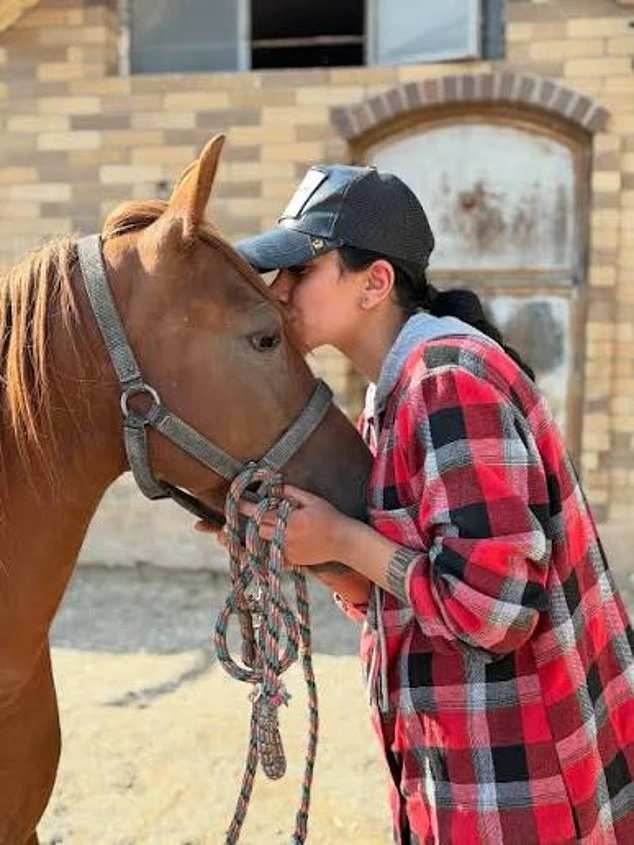
Taraneh aspires to run his own horse stable in the future.
This institutionalized crime is part of the largest wave of repression unleashed in the 47 years of Iranian dictatorship history. The civil discontent that began in January due to the economic debacle quickly escalated into massive demands to overthrow the Supreme Leader, Ayatollah Ali Khamenei, triggering a bloody response.
The figures of terror compiled by the HRANA organization confirm that more than 7,000 people were killed and over 50,000 people were arrested in just over six weeks, while the regime itself has had to admit at least 3,000 people dead during the violent suppression of the streets.
This systematic violation of human rights has raised international alarms. The United Nations (UN) special rapporteur for human rights in Iran, Mai Sato, reported that at least six women have been sentenced to death this year for their direct involvement in the protests, forming part of a group of 10 Iranians executed or sentenced to capital punishment without “any clarification on the acts attributed to each individual”.
The twin sisters, Romina and Taraneh Rahimi
Furthermore, Amnesty International condemned the sentences, categorizing the charges as “politically motivated”.
In a cynical attempt to cover up the barbarism, the Iranian embassy in London assured BBC that the allegations were “deceptive”, rejected the accusations of torture, and claimed that the convictions following the disturbances of January 2026 were due to cases of “intentional murder” or the crime of “moharebeh (the wielding of weapons with the intention to threaten or ruin the life or property of people)”. This entire tragic scenario highlights the insurmountable distance between the degradation inherent to Middle Eastern values and the moral superiority of the West, where justice, due process, and human dignity prevail over despotism.