The North Atlantic Treaty Organization (NATO) will announce during its upcoming summit in Ankara, Turkey, a new round of military investments valued in the tens of billions of dollars, in an effort to strengthen the alliance's defensive capacity against the growing challenges posed by Russia, China, Iran, and North Korea.
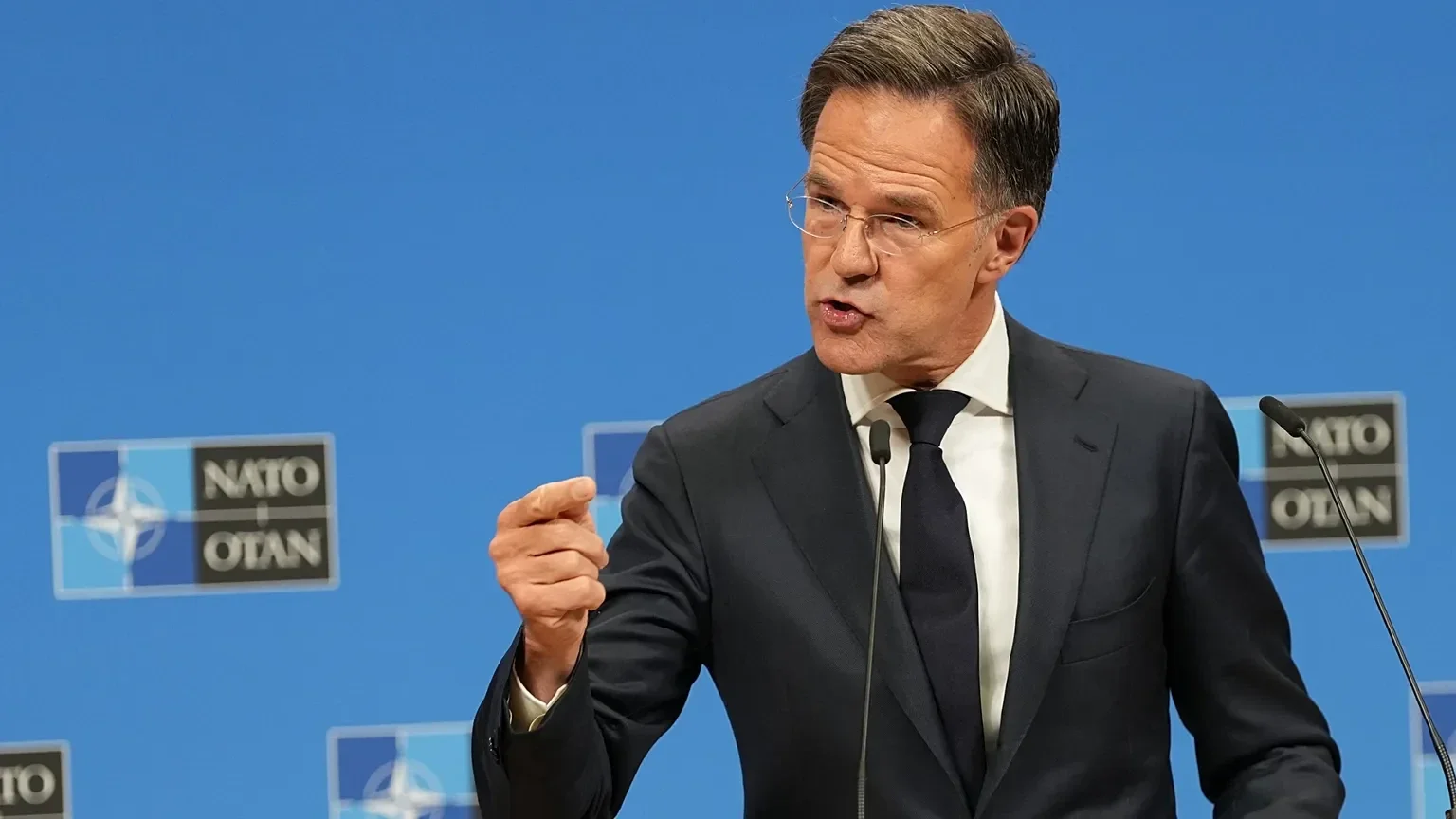
NATO Secretary General Mark Rutte indicated that the meeting of heads of state and government, scheduled for July 7 and 8, will serve to demonstrate that allies are fulfilling the commitments made during last year's summit in The Hague, where they agreed to raise defense spending to the equivalent of 5% of Gross Domestic Product (GDP) by 2035.
During a speech, Rutte stated that numerous member countries have already begun to significantly increase their military budgets and assured that the alliance is undergoing a historic transformation in defense matters.
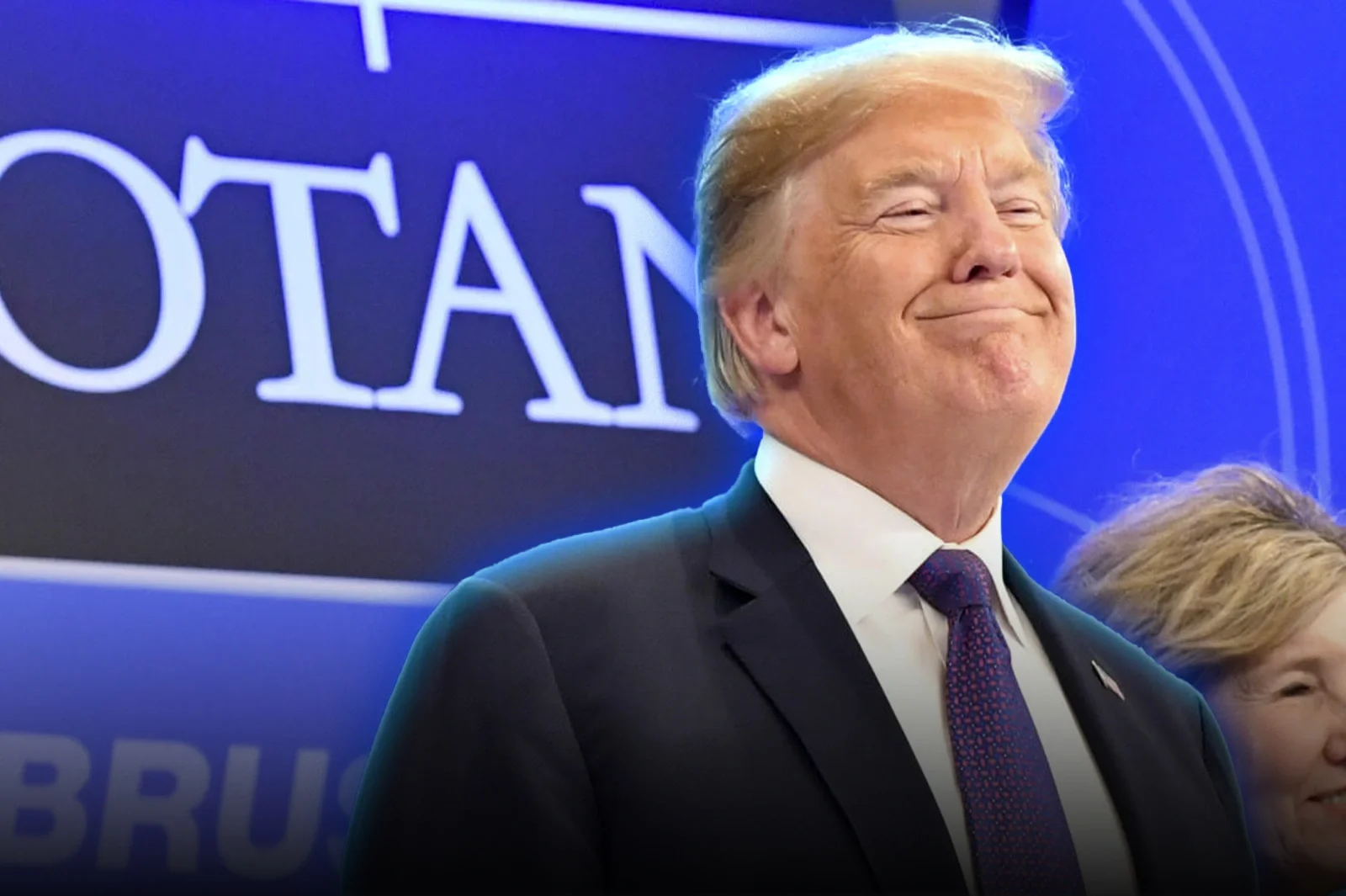
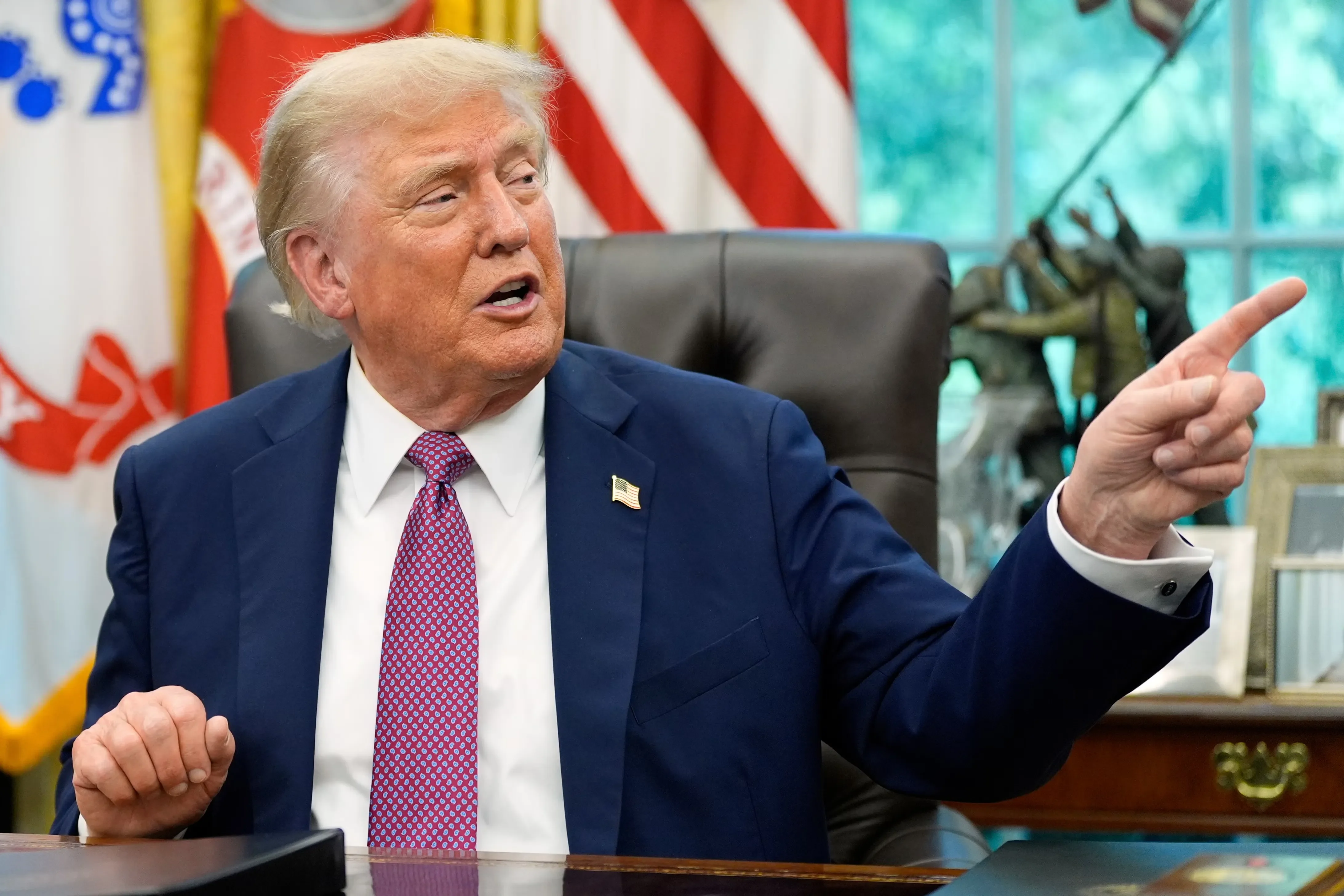
The NATO Secretary General will announce new investments in the military sector following pressure from President Donald Trump
Among the countries leading this effort, he highlighted Estonia, Latvia, Lithuania, and Poland, nations located on NATO's eastern flank that, as he explained, are already allocating percentages above the agreed targets and continue to accelerate their investments due to the growing security concerns in Europe.
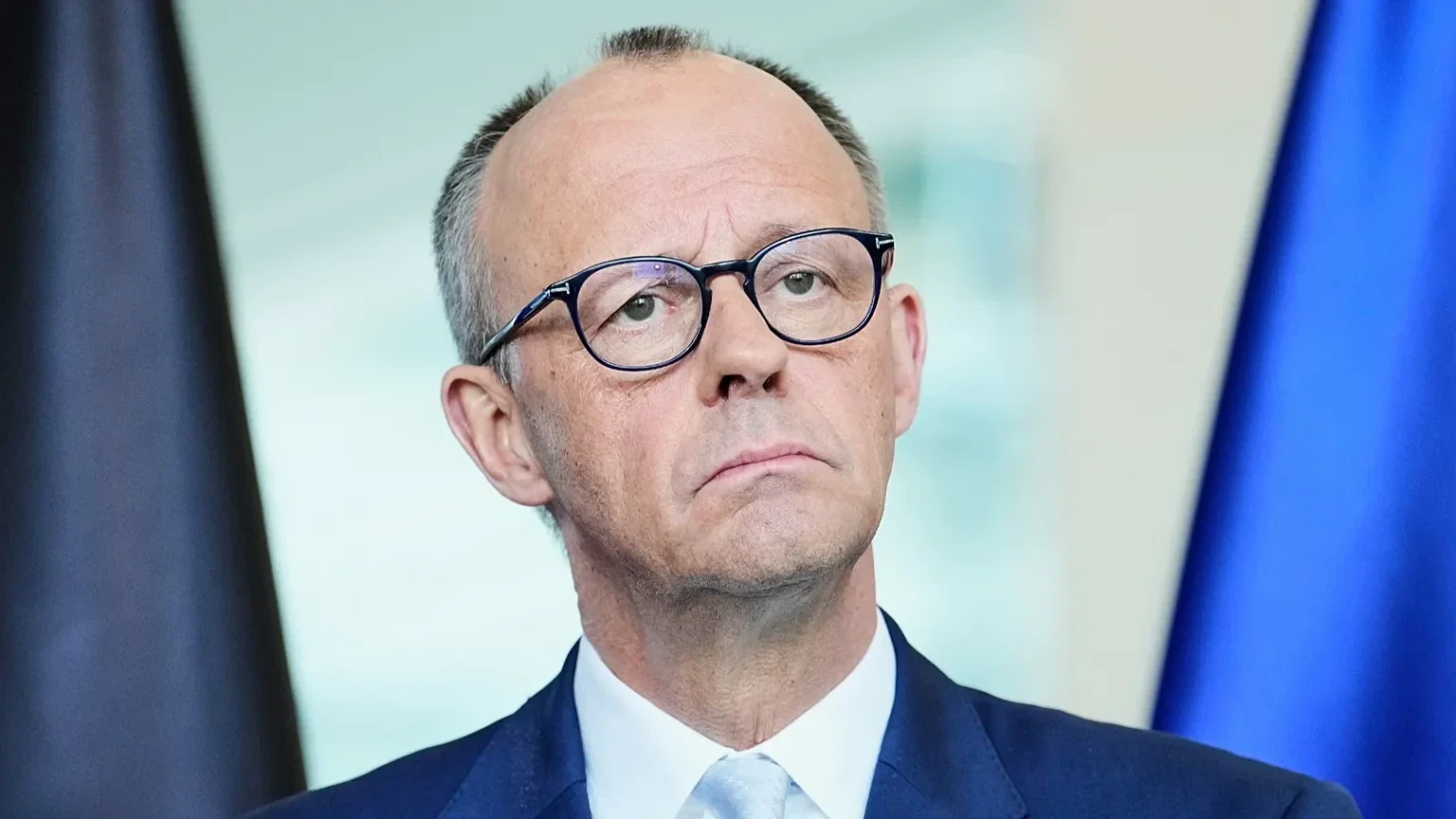
The Secretary General also emphasized Germany's case, which is on track to double its military investment compared to the levels recorded just a few years ago. He indicated that Berlin will allocate more than 150 billion euros annually to strengthen its defensive capabilities.
In general terms, Rutte noted that European allies and Canada have jointly increased their military spending by approximately 1.2 billion dollars over the last decade, reflecting a profound change in how Europe assumes its responsibility within the Atlantic alliance.
One of the central announcements of the summit will be the signing of new defense contracts worth tens of billions of dollars, aimed at expanding weapons production, strengthening supply chains, and modernizing the military equipment of member countries.
Rutte assured that Merz's government will allocate a large sum of money for strengthening Germany's military capabilities
According to Rutte, these investments will not only increase NATO's deterrent capacity but also boost the economy by creating hundreds of thousands of jobs in Europe and North America.
The leader described this process as the beginning of a true ''defense industrial revolution,'' although he warned that success will depend not only on the commitment of governments but also on the industry's ability to respond to the growing demand.
In this regard, he called for accelerating technological innovation, increasing production, and removing regulatory obstacles that hinder the manufacturing of military equipment both in Europe and the United States.
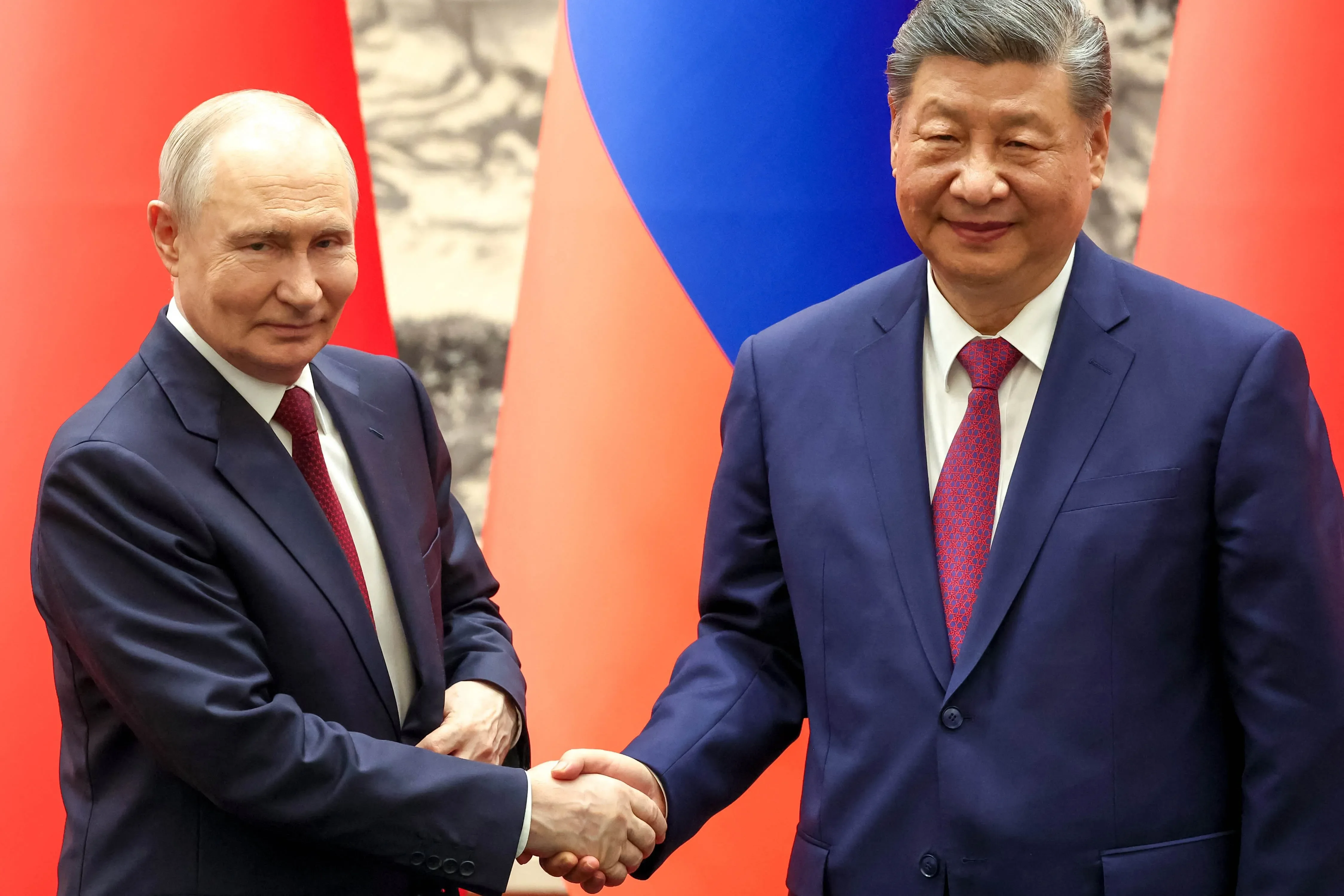
Rutte assured that the country led by Putin continues to represent the greatest threat to Europe
As an example of the pace the alliance seeks, he mentioned the new Rheinmetall ammunition plant in Germany, built in just over a year and capable of producing around 350,000 artillery shells annually. He also highlighted that American companies like Lockheed Martin, Northrop Grumman, and Boeing are expanding their production to meet NATO's new strategic needs.
Regarding the international landscape, Rutte stated that Russia remains the primary threat to the alliance's security, both currently and in the long term. He explained that Moscow allocates more than 40% of its national budget to military spending and maintains a constant production of weapons to sustain its military capabilities.
The Secretary General also expressed concern about China's rapid military strengthening, noting that Beijing continues to expand its nuclear capabilities without sufficient transparency and invests enormous resources in new military technologies.
He added the ongoing development of North Korea's nuclear program and the military cooperation between Pyongyang and Moscow in the context of the war in Ukraine.
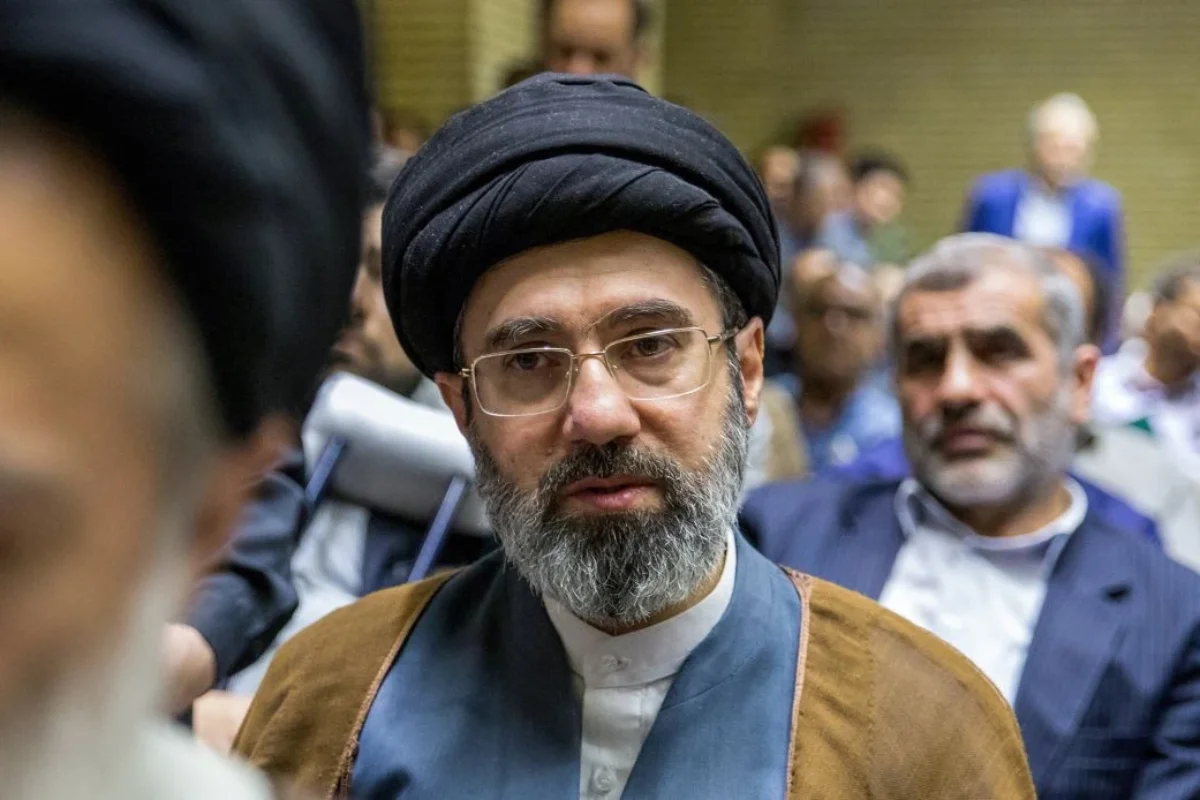
The Jamenei regime has seen its nuclear capabilities severely weakened following military operations carried out by the United States
In relation to Iran, Rutte stated that recent U.S. military operations have considerably weakened the Iranian regime's nuclear and ballistic missile programs. However, he insisted that the international community must remain vigilant regarding the evolution of that threat.
The Secretary General also warned that the growing cooperation between Russia, China, Iran, and North Korea represents a strategic challenge for the West, as these countries are increasingly strengthening their military and technological ties.
Finally, Rutte attributed much of the change in the allies' stance to the leadership of U.S. President Donald Trump. He recalled that since the time of President Dwight D. Eisenhower, several U.S. leaders have called for greater financial commitment from Europe, but he assured that it was Trump who managed to drive a concrete change in the distribution of responsibilities within NATO.
Rutte praised Donald Trump and stated that he is the only U.S. president in a long time who achieved a significant change in the alliance