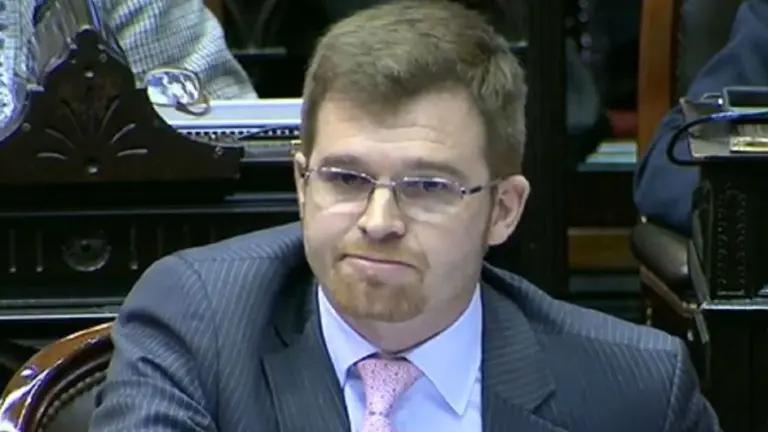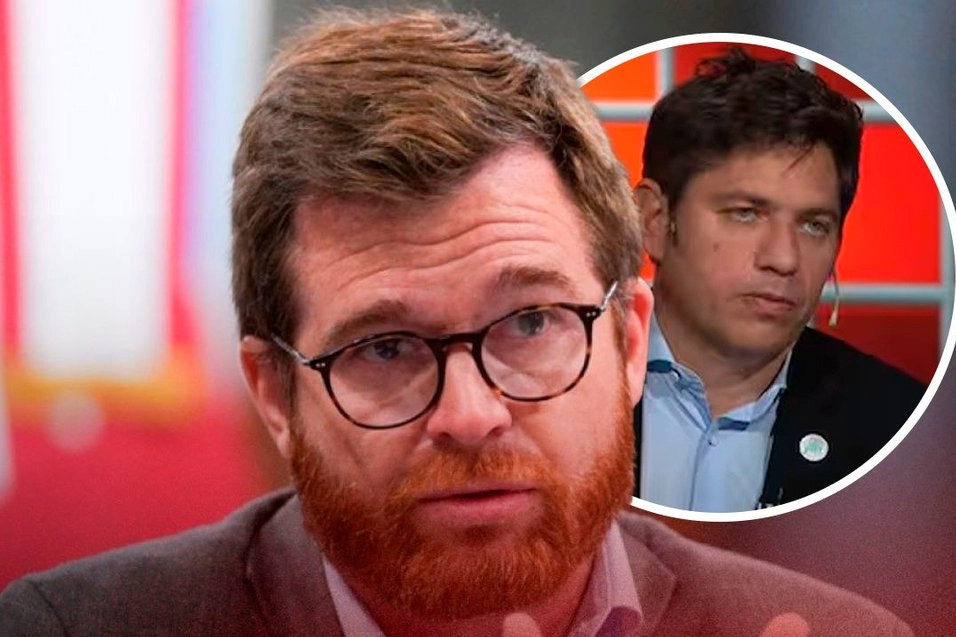

In the midst of a political scenario marked by the reconfiguration of leadership and the reorganization of the party system, the first movements of opposition sectors that seek to build an alternative to the economic and political direction promoted by the government of Javier Milei began to emerge. However, far from offering a clear proposal, these attempts are beginning to reveal implicit agreements with central figures of hard Kirchnerism. In this context, the national deputy of the Federal Encuentro, Nicolás Massot, was surprised to admit the need to articulate a political alternative and at the same time to praise the Buenos Aires governor Axel Kicillof, whom he described as a figure with greater pragmatism compared to
his past.“It is necessary to build an alternative to Milei. I saw Kicillof with his feet more on the ground. You can't build a coalition without political and economic consensus,” Massot said, evidencing an incipient alignment with the Kirchner space ahead of the presidential elections of 2027. The legislator also stated that any opposition attempt must be based on a common diagnosis and a shared road map, even recognizing some pillars of the current economic model: “Before talking about any electoral strategy, the opposition must make a common diagnosis and a road map. Recognize the traits of current management that are worth maintaining, such as fiscal balance, beyond inequities, the consolidation of the Central Bank or an agenda of
deregulation.”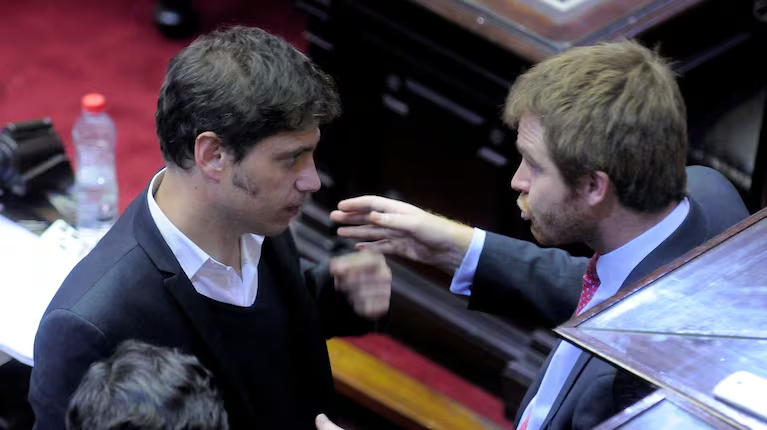
Despite this admission, Massot harshly criticized the ruling party, in what many interpret as a contradictory discourse: “It's a double discourse that doesn't stand up to the slightest analysis. It doesn't match reality,” he said. Along the same lines, he questioned the liberal economic vision, stating: “There are governments that incredibly believe in the theory of the spill and the invisible hand, as if everything were going to work itself out. We know that's not the case... there's too much concentration and the market doesn't balance as the books on macroeconomics say. University students are talking to us about theories that are not being fulfilled and, in the middle, people are left without jobs and without making ends meet.”
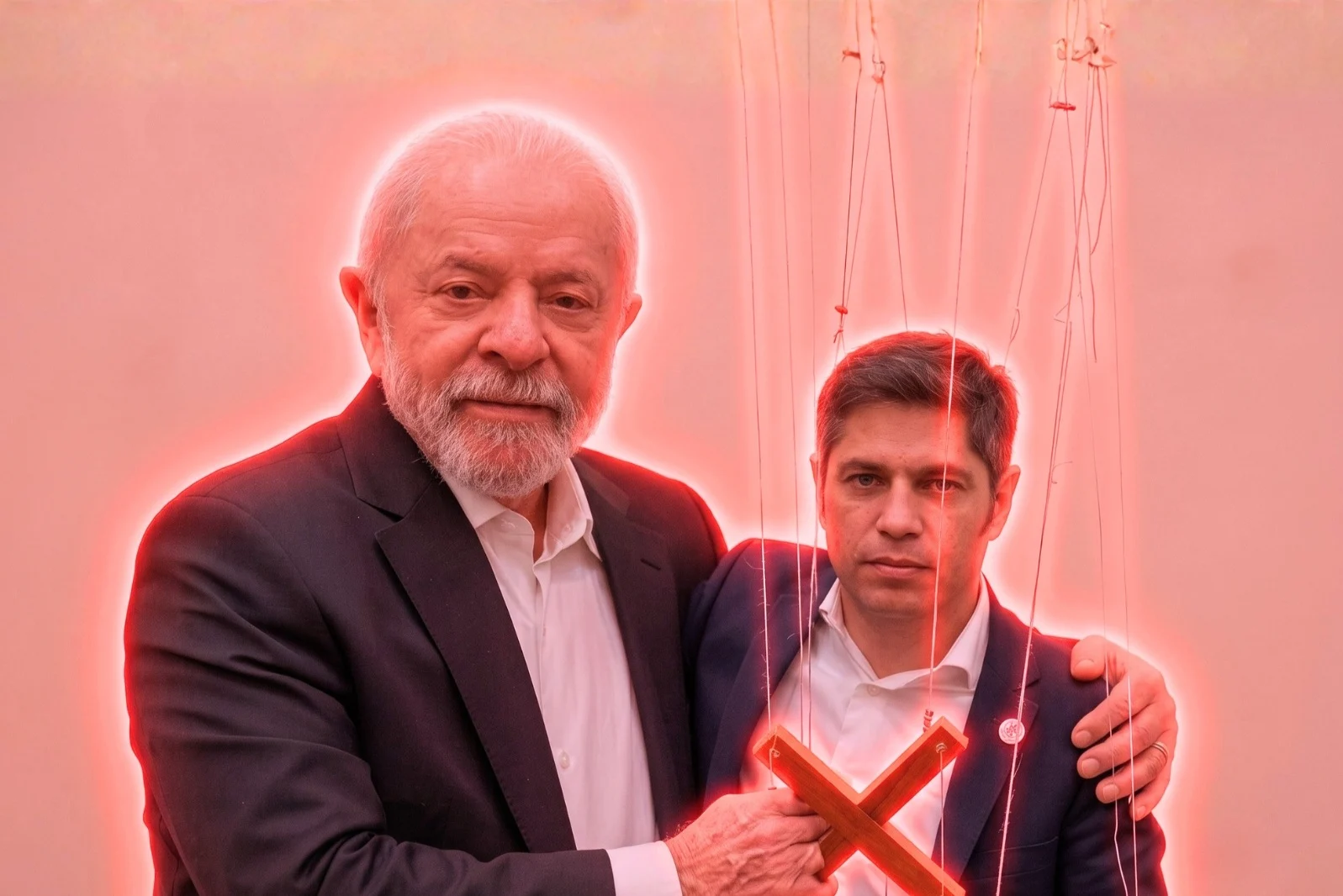
However, the central axis of his statements was marked by his approach to Axel Kicillof, with whom he had a recent meeting. Regarding that meeting, Massot explained: “In part, the conversation we went to seek was to try to understand if Kicillof is the same one who was Minister of Economy and found us so dissonant, or if the passage of time and certain self-criticism