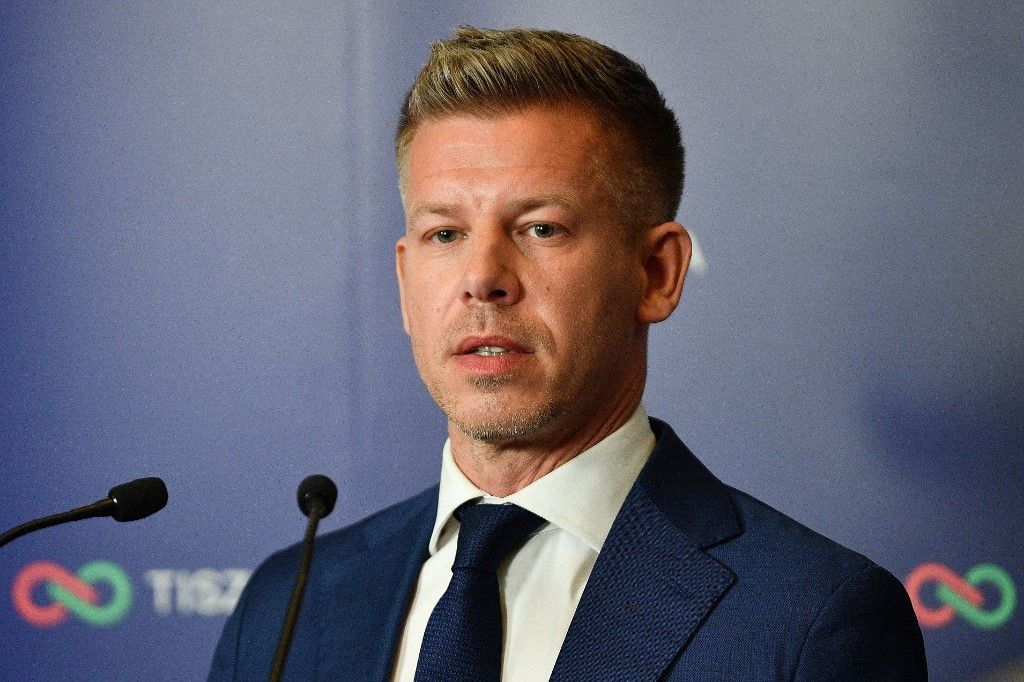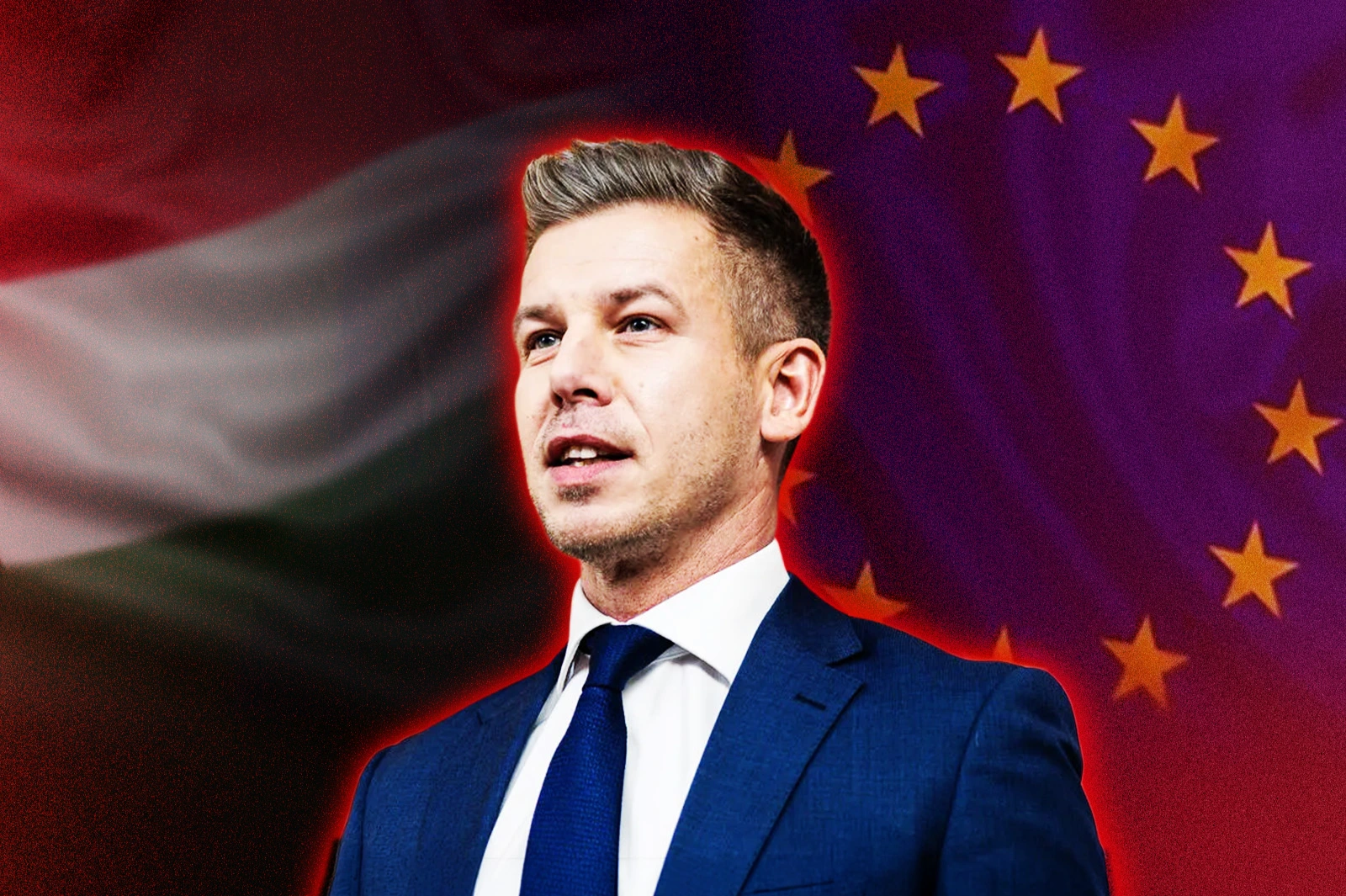

Péter Magyar, the progressive candidate of the European Union, has established himself as the new Prime Minister of Hungary after an electoral victory that ends more than a decade of government of Viktor Orban. His coming to power marks a significant change in the country's political orientation and opens a phase of profound transformations, both internally and in its international positioning
.Magyar, who until a few years ago was part of the political environment of Fidesz, Orbán's party, experienced a rupture in 2024 that catapulted him as an opposition leader. Since then, he has built his image as a reformist capable of channeling citizen discontent with the previous political model.
The new prime minister was elected on a platform focused on “change”, with promises to combat corruption, strengthen democratic institutions and improve public services. During the campaign, he placed special emphasis on the need to modernize key sectors such as education and health, areas that, according to his followers, have deteriorated in recent years. His message managed to connect especially with young and urban voters, who were demanding a renewal of the political system
.One of the central axes of his program is the approach to Brussels. Magyar has expressed his intention to align Hungary with the European Union, seeking to re-establish relations that had been strained during Orbán's term in office. This twist includes the intention to unlock frozen European funds. However, this approach has also aroused fierce criticism among those who fear a loss of national autonomy vis-a-vis
community institutions.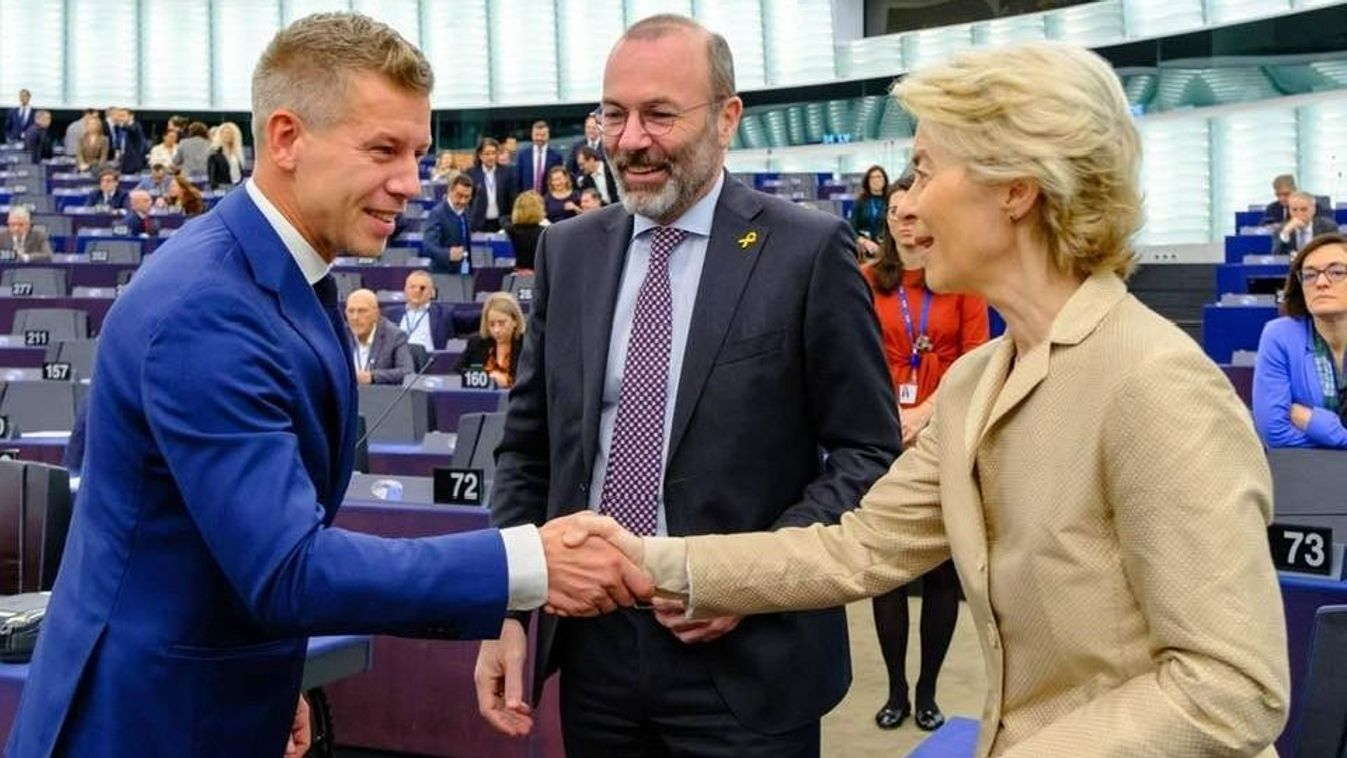
In terms of migration, the new government proposes a much more open policy, in contrast to the logical restrictions implemented in previous years. This position aims to make borders more flexible and align with European standards on asylum and mobility. However, the initiative has generated strong internal divisions, with sectors warning of potential negative impacts on security and social cohesion