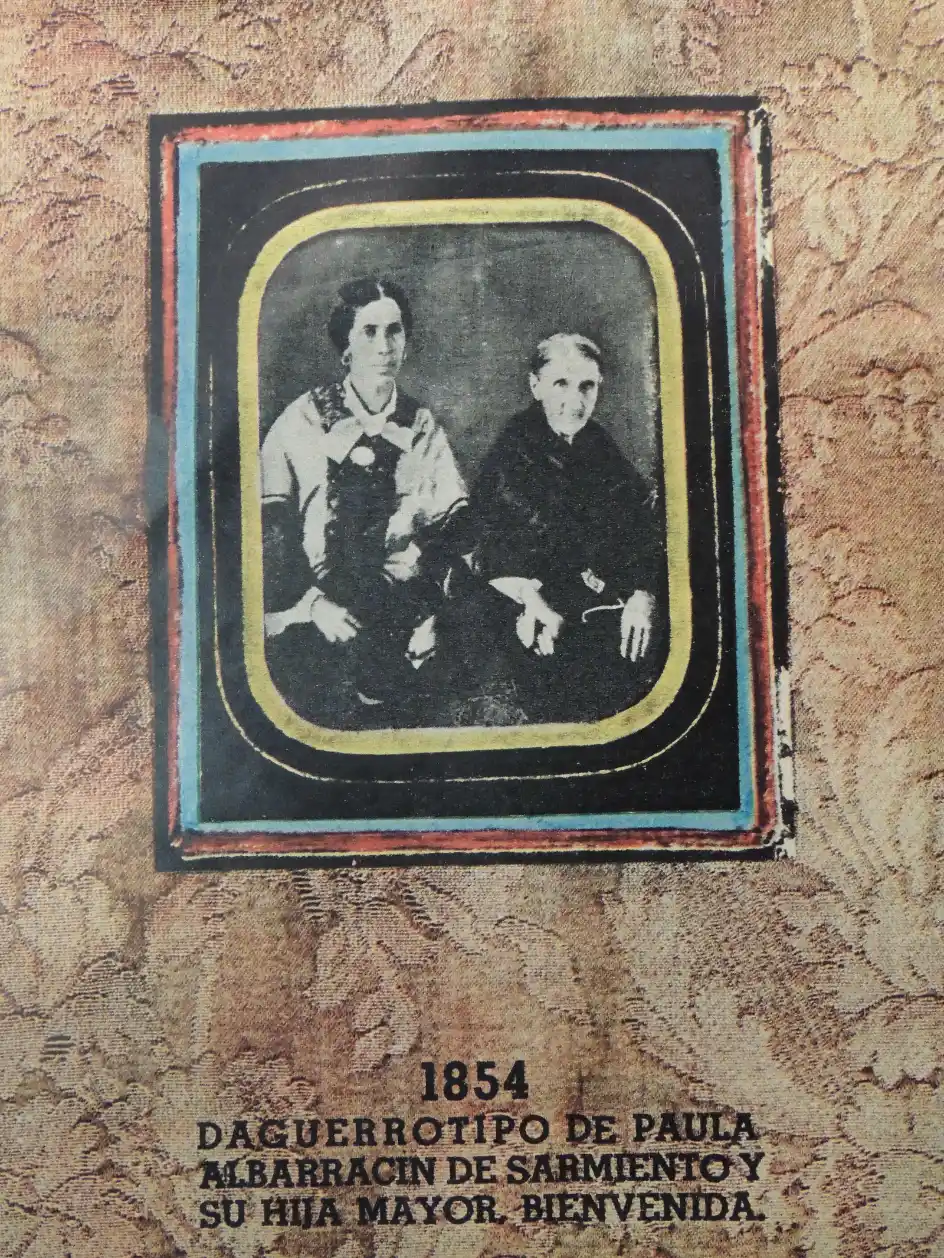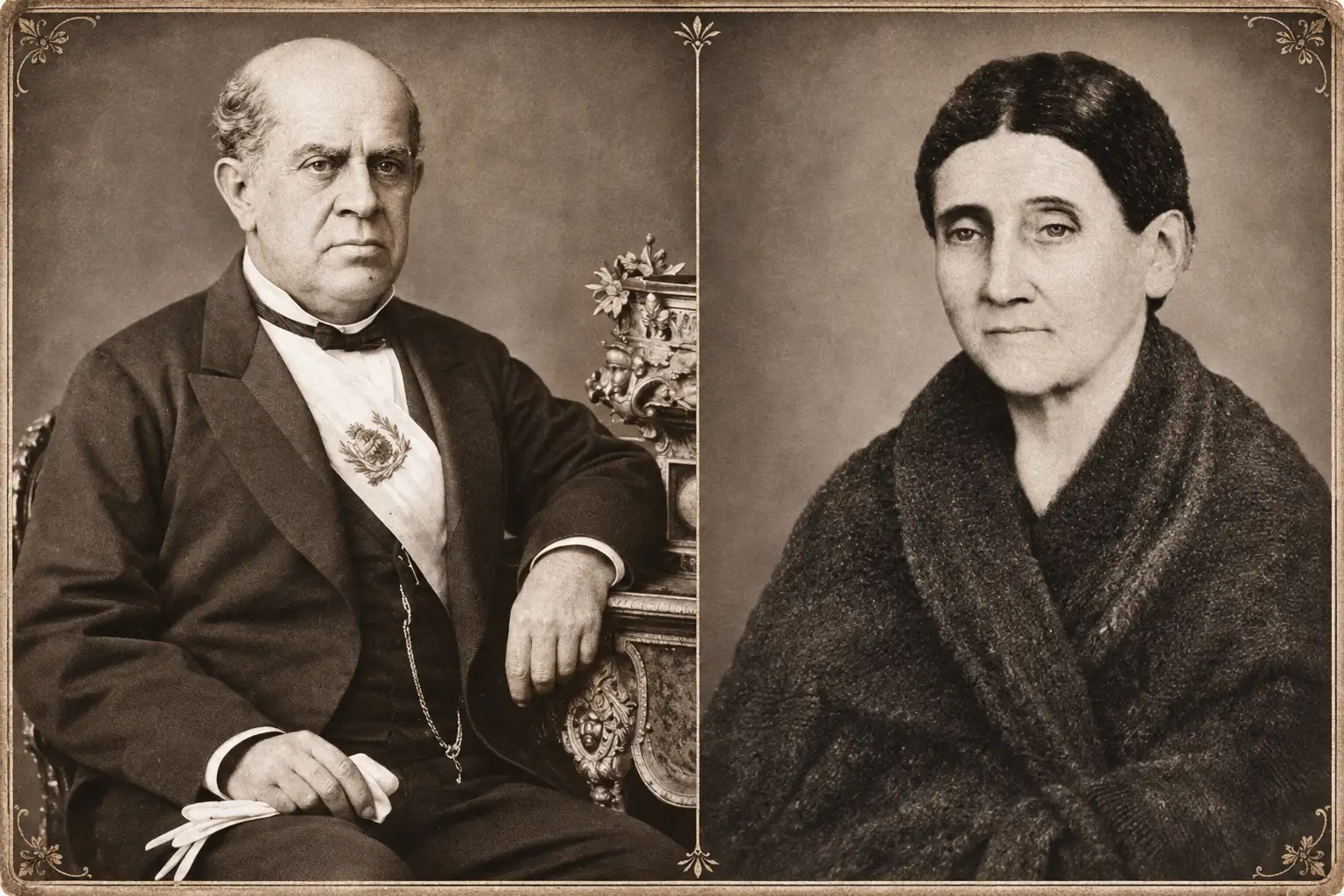

Paula Albarracín, Sarmiento's mother who built her own house and supported her family with a loom

Paula Albarracín, Sarmiento's mother who built her own house and supported her family with a loom

Orphaned at a young age, she built her home in San Juan, worked tirelessly to support her children, and had a decisive influence on the formation of Domingo Faustino Sarmiento

Share:

On November 21, 1861, Domingo Faustino Sarmiento was traveling to San Juan to reunite with his mother, whose health had deteriorated. On the way, a priest close to the family delivered the news he feared most: Paula Zoila Albarracín had passed away that very morning, at the age of 87.

The woman who had supported her family through artisanal work and played a fundamental role in shaping the future president died without being able to say goodbye to her son in person.

A childhood marked by economic difficulties

Paula Albarracín was born on June 27, 1774, in La Bebida, a locality situated between the city of San Juan and the Baños de Zonda.

She was the daughter of Cornelio Cipriano Albarracín and Juana Irrazábal. Her family descended from a Spanish lineage that had owned significant tracts of land, although over time they lost much of their wealth.
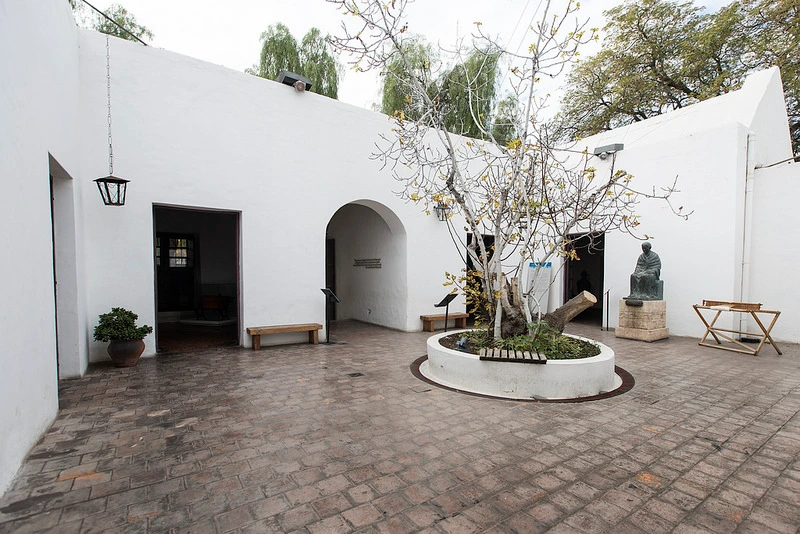
Imagen 1475394

The death of her parents worsened the economic difficulties at home and Paula had to take on the responsibility of caring for several of her siblings from a young age.

She learned to read and write thanks to the priest José Castro, who also served as a doctor and teacher. With him, she engaged in conversations about philosophy and politics, knowledge that was uncommon among women of her time.

The house she built before getting married

In 1801, while still single, Paula decided to build her own home in the San Juan neighborhood of El Carrascal.

To realize her project, she received help from two enslaved individuals who belonged to her sisters and relied on the income she earned from textile production.
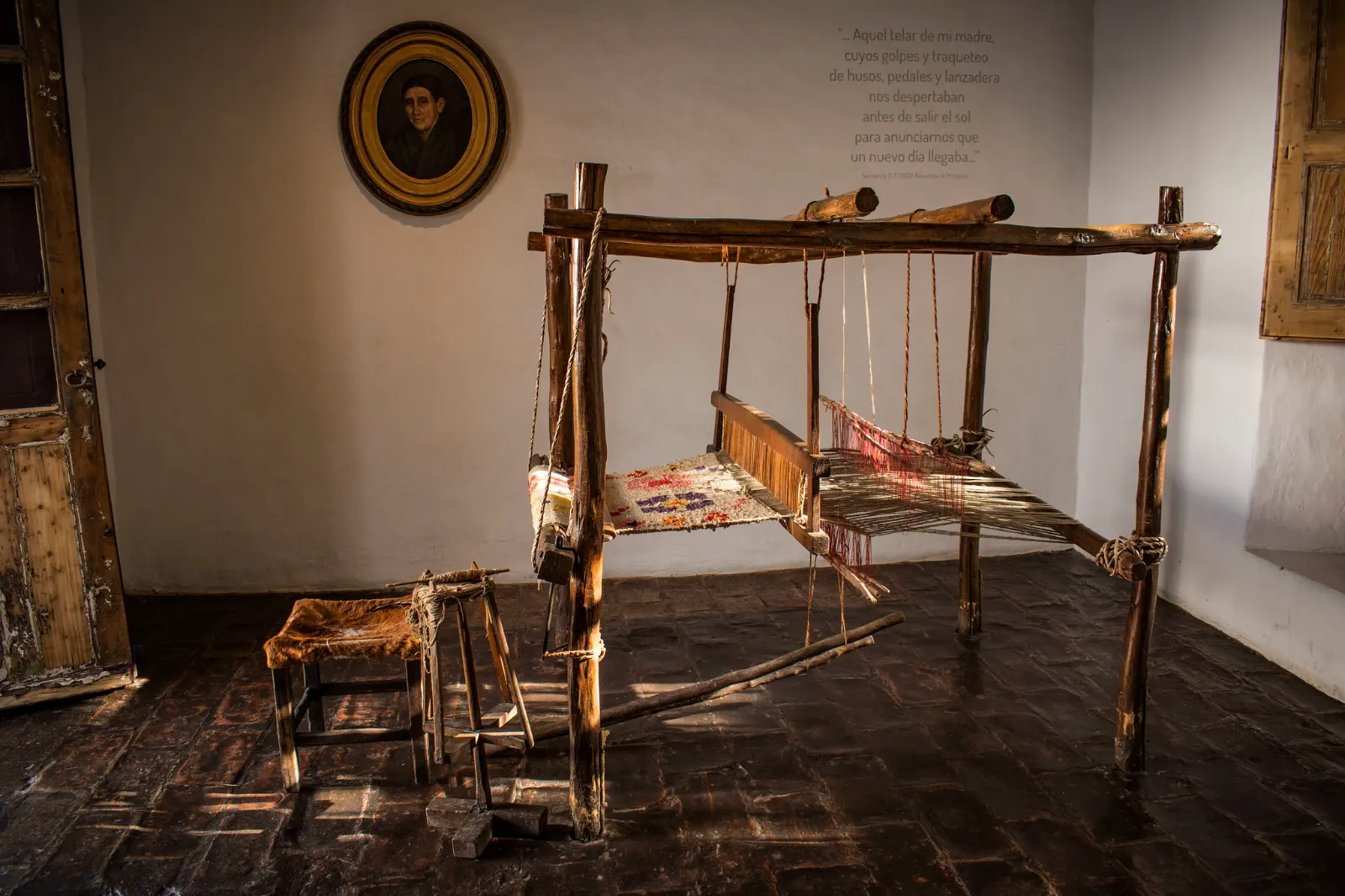
Imagen 1475397

Under a fig tree, she set up a horizontal loom of Spanish origin, with which she made anascote, a wool fabric primarily used to make religious habits.

Her weekly production reached approximately ten meters of fabric, earning her six pesos, money she used to cover construction expenses.

On December 21, 1802, she married José Clemente Sarmiento, a muleteer four years younger than her, whom she had met in La Bebida.

The couple had limited financial resources, and José Clemente's prolonged absences forced Paula to take on much of the family responsibilities.
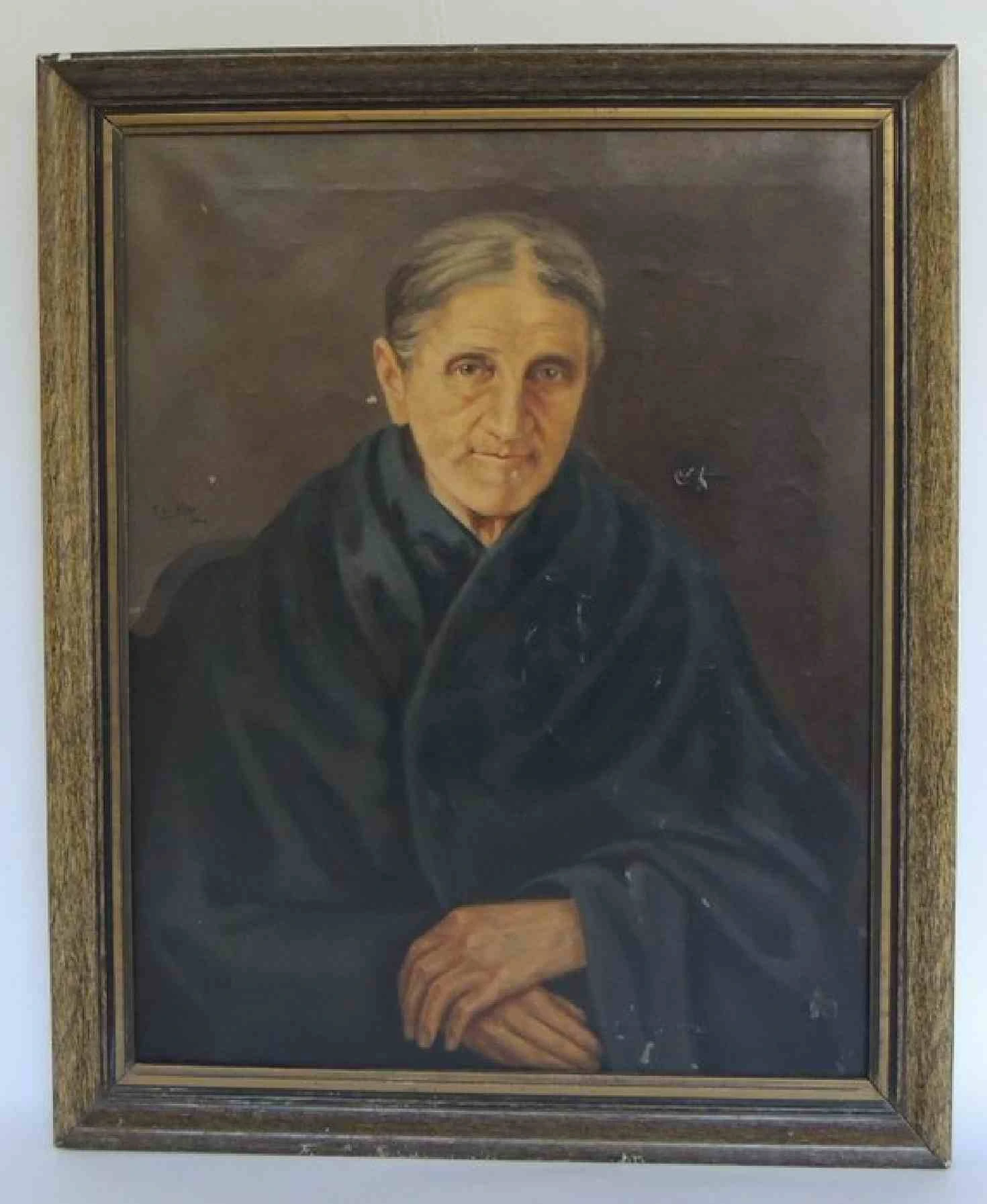
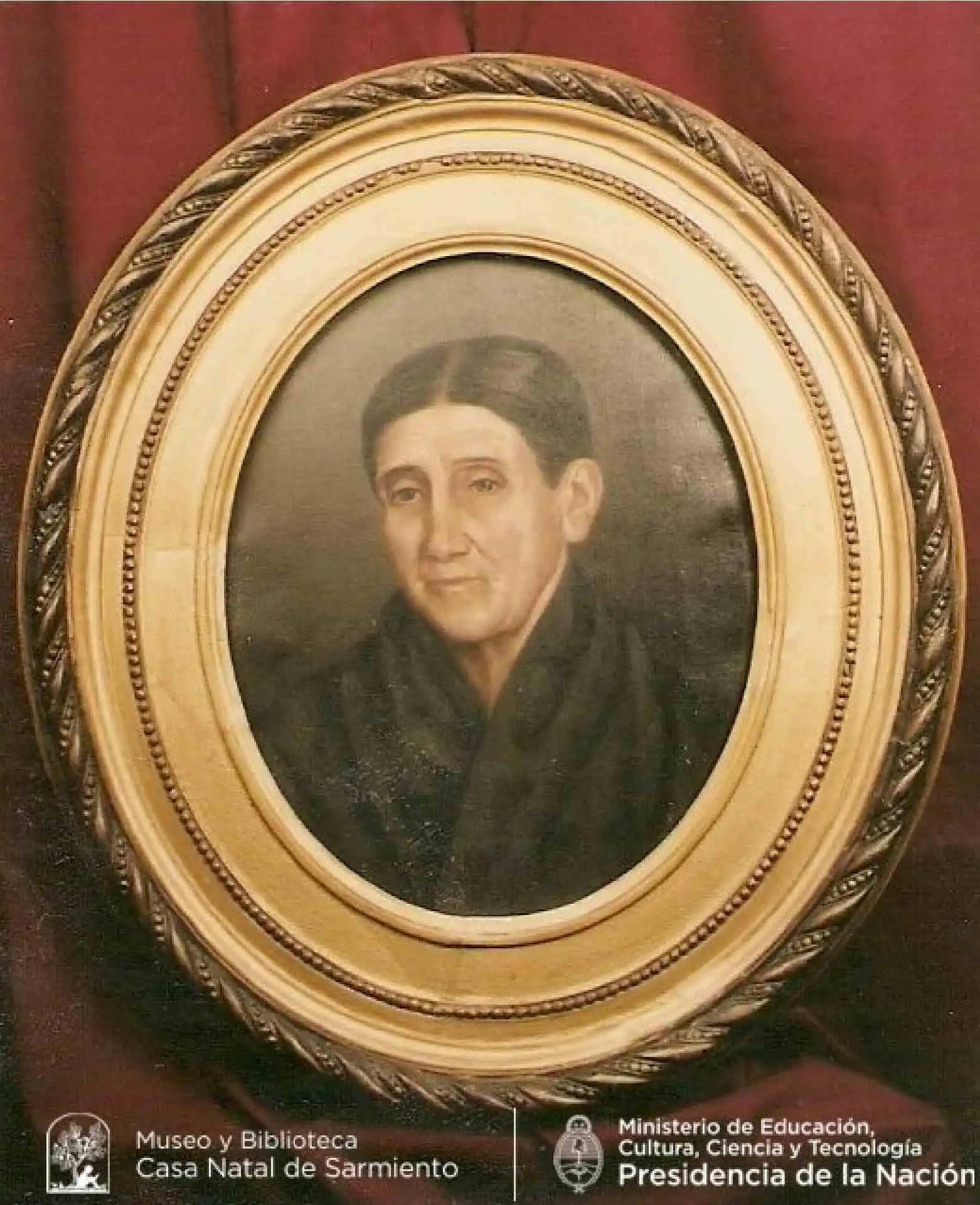
After the May Revolution, her husband collaborated with the Northern Army and participated in military campaigns for independence.

Imagen 1475396

The woman who shaped Domingo Faustino Sarmiento

Among the children of the marriage were Francisca Paula, Vicenta Bienvenida, María del Rosario, and Procesa del Carmen, who would become one of the first Argentine painters.

In February 1811, Domingo Faustino Sarmiento was born. Although his birth is traditionally commemorated on the 15th, various historical investigations indicate that he was born on the 14th and was baptized the following day.

The future president grew up in a home where work, austerity, and daily effort occupied a central place.

Imagen 1475395

In his autobiographical work Recuerdos de provincia, published in 1850, Sarmiento dedicated a chapter to reconstructing the history of his mother and the difficulties she faced in supporting her family.

Paula also took care, along with her daughters, of raising Ana Faustina, Sarmiento's daughter, who had been born during his exile in Chile.

A home that withstood the 1944 earthquake

The family home was expanded over the years. It had rooms, a kitchen, fruit trees, and a garden that contributed to domestic supply.

When Sarmiento served as governor of San Juan, between 1862 and 1864, he used part of the property as an office.

Imagen 1475393

The house survived the devastating earthquake of 1944, which destroyed much of the historical buildings in the capital of San Juan.

Declared a National Historic Monument in 1910, it currently operates as a museum and library. There, elements related to family life are preserved, including Doña Paula's loom.

165 years after her death, that house remains a testament to the efforts of a woman who managed to support her family through work and whose example left a profound mark on one of the main advocates of education in Argentina.


Born in a dusty wasteland, learned to read with a priest, and built a house that still stands: the life of Sarmiento's mother