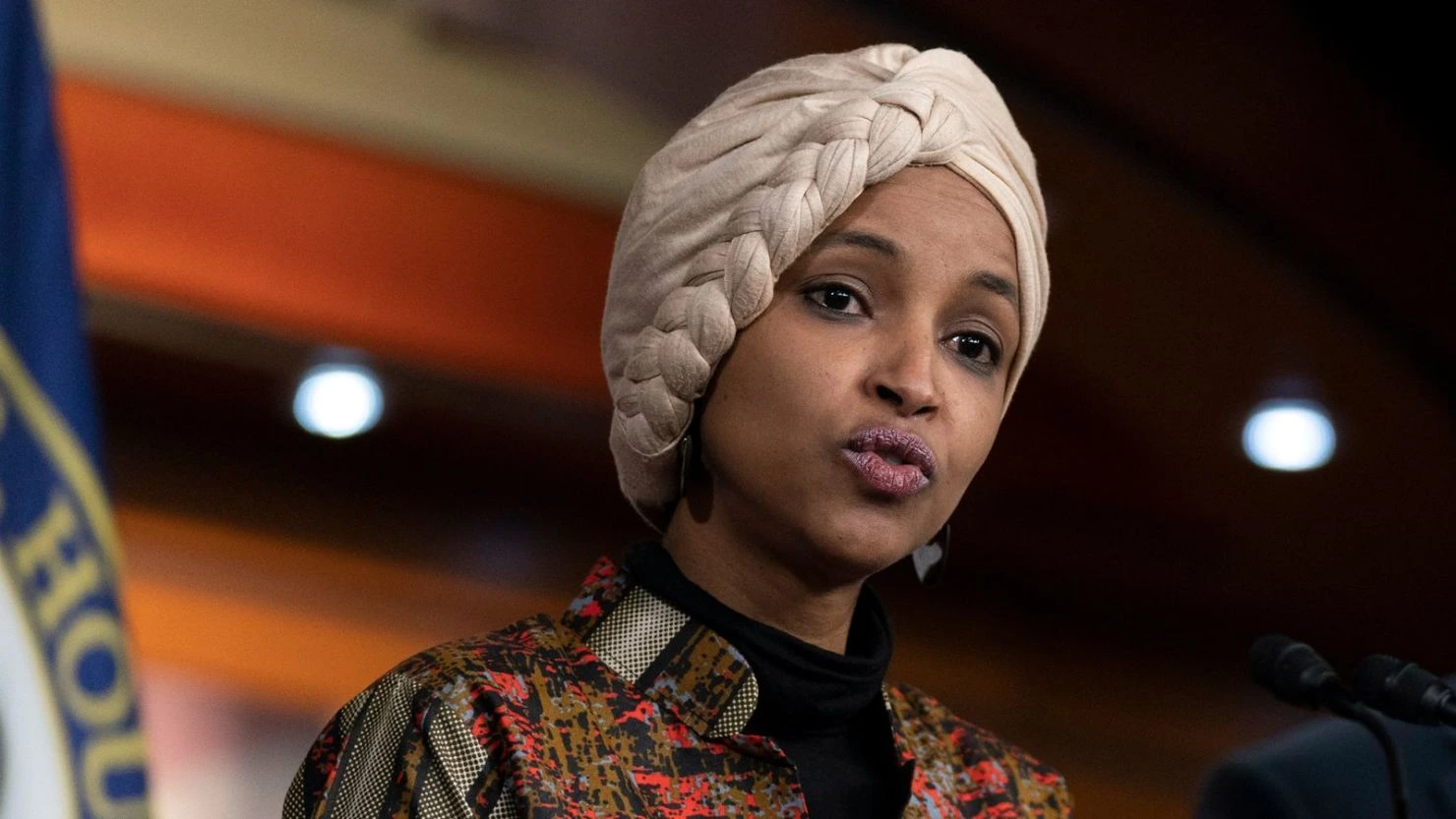

A judge appointed by the Democrat Barack Obama ordered the release of documents related to the search of the home of Democratic representative Ilhan Omar, in Washington D.C., revealing that investigators are seeking evidence of crimes dating back to 1980, long before the legislator arrived in Congress. The disclosure, made on Monday night, exposed new details of a federal investigation whose scope remains partially under wraps.
The court materials show that authorities are seeking evidence related to possible irregularities that would have spanned several decades. One of the most compelling passages states that investigators suspect Omar may have committed ''crimes for decades,'' with actions allegedly beginning long before she took office.
The search of the congresswoman's residence took place in the early hours of October 12, 2026. It has been confirmed that investigators are examining whether Omar or her father provided fraudulent information in documents related to their citizenship applications. So far, the full extent of the evidence gathered and the complete scope of the investigations are unknown.
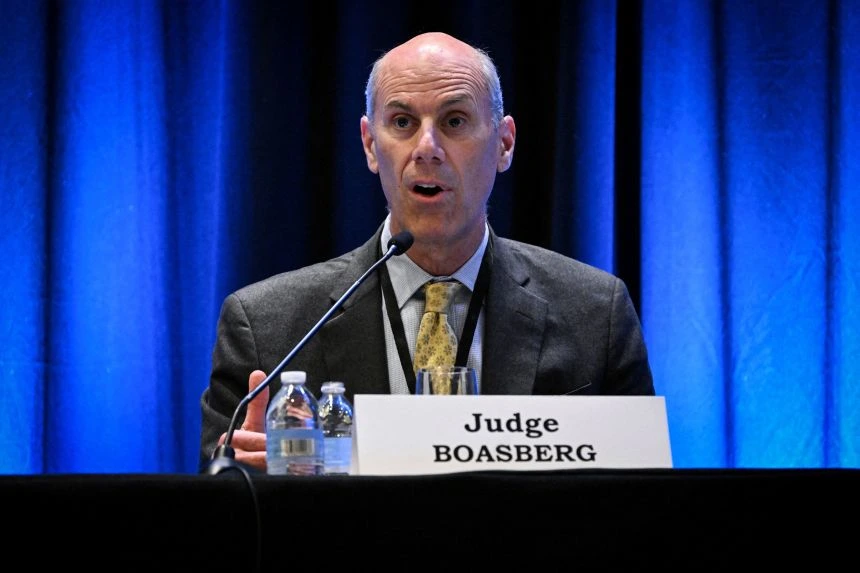
The release of the documents came after federal judge James Boasberg rejected arguments from the Department of Justice (DOJ), which had requested to keep the materials under seal to avoid potential harm to the investigation.
Government lawyers argued that the investigations remain active and that investigators have not yet completed executing the search warrant. For that reason, they considered that disclosing the documents at this stage was premature and could compromise the work of the authorities. The DOJ clarified that it did not oppose a potential release in the future, when the investigation had progressed sufficiently.
However, Boasberg ordered the release of the materials with the appropriate redactions. The Department of Justice submitted the redacted versions, and the documents became publicly available on Monday night. The only piece that the judge decided to keep sealed was the affidavit that the government presented to a magistrate judge to obtain authorization for the search.
The decision raised questions because the same judge had taken a different position in 2023, when media outlets requested access to documents from a search warrant linked to an investigation against President Donald Trump.