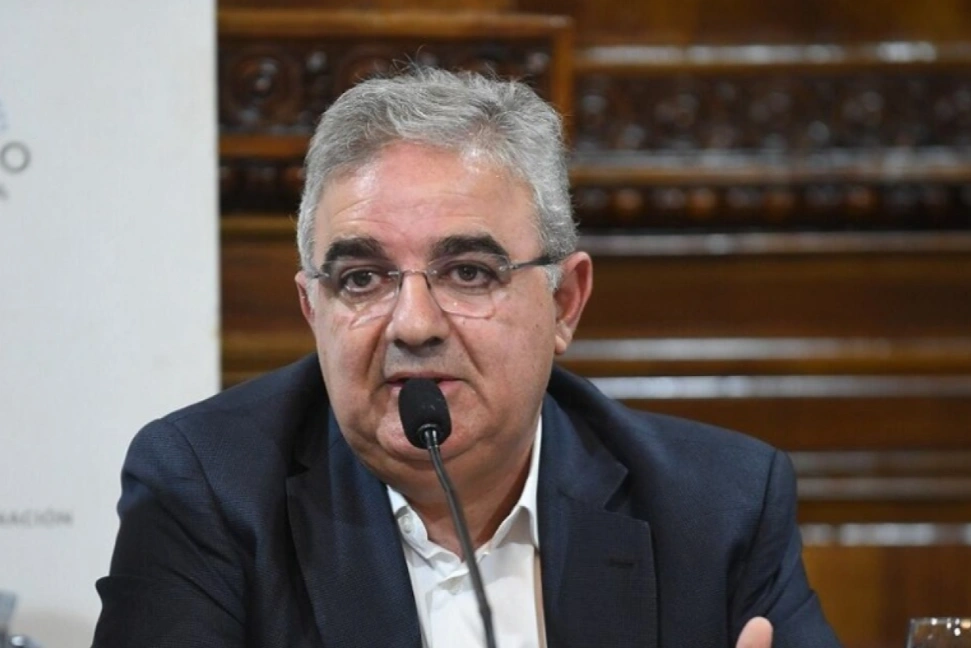
The governor of Catamarca, Raúl Jalil, defended the reform of the Glacier Law being debated by the Senate of the Argentine Nation and maintained that environmental analysis cannot be separated from the social reality of the Cordilleran provinces. “There is no more negative environmental impact than poverty,” he said in statements to Radio Mitre
.
The president argued that the debate must abandon ideologized positions that, under extreme environmental slogans, end up affecting employment and regional development. In provinces such as Catamarca, mining represents a central source of work, investment and fiscal resources
.
Mining, Employment and Productive Development
,
Jalil was clear in warning about the consequences of curbing activity. “If we didn't have mining today, we would have 7,000 fewer jobs,” he said. With this figure, he sought to measure the direct impact that a possible paralysis of the sector would have on a regional economy that depends heavily on mining production
.
The governor argued that all productive activity generates some level of environmental impact, but that the discussion should focus on balance. “Building a house, a hotel or a mining operation has an impact. What needs to be evaluated is the balance that this venture has in the economy and in environmental policy,” he explained.
Faced with questions from sectors that historically opposed mining, Jalil remarked that it is one of the most regulated activities in the country. As he explained, in order to grant an Environmental Impact Statement, at least three mandatory instances of control must be complied
with.
Controls and destination of resources
The first level is the environmental level, with technical evaluations and community participation. The second is the economic one, aimed at verifying that the project has a real positive impact on the province. The third is linked to comprehensive monitoring of compliance with the imposed conditions
.
In addition, Jalil stressed that the resources generated by the activity do not remain in the hands of companies without social return. “All the resources from royalties or extra royalty funds go to the communities,” he said, and explained that these revenues make it possible to strengthen infrastructure, tourism, agro-industry and strategic works in the Puna and the Cordilleran region
.
In a context in which the national government promotes an agenda of productive opening and investment promotion, Catamarca's support for the reform of the Glacier Law is part of a vision that prioritizes growth, employment and federal development over positions that, under the environmental argument, end up consolidating structural poverty in the interior of the country.