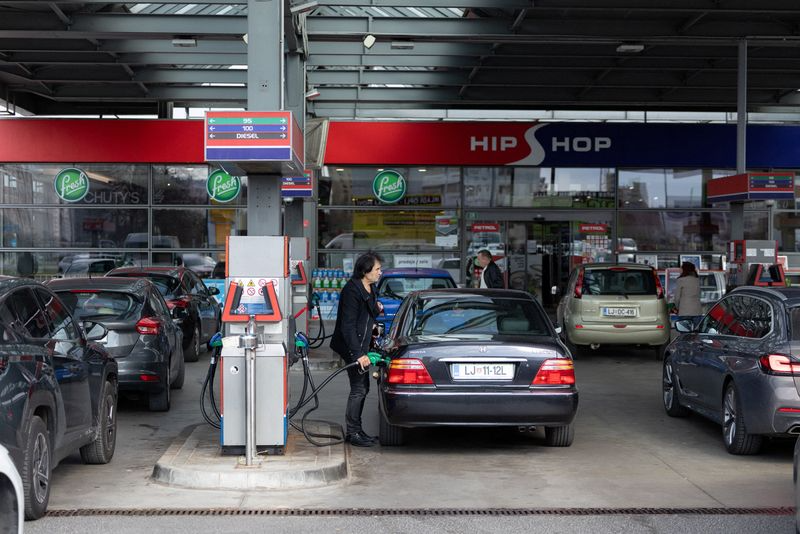
Under the provisions, individuals may purchase a maximum of 50 liters of fuel per day at the same station, while companies, self-employed workers and productive sectors, including agriculture, will have a limit of 200 liters per day. The restrictions will remain in effect until further notice, depending on the evolution of the supply
.
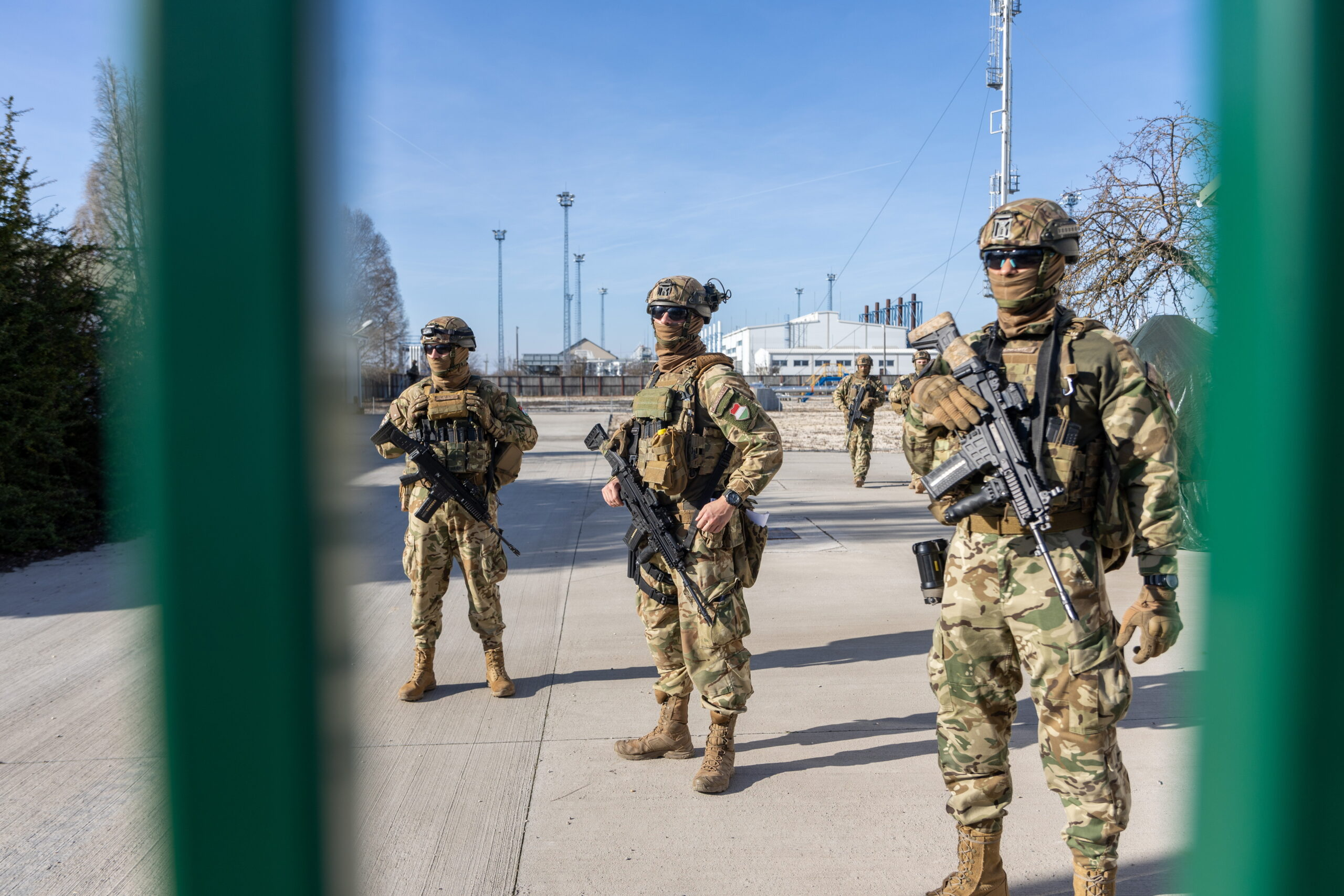
To reinforce logistics and ensure distribution, the authorities mobilized the Armed Forces, which are already involved in transportation and supply tasks. In parallel, the Executive urged distribution companies to improve coordination between storage centers and service stations, with the objective of streamlining deliveries and optimizing
available resources. Individuals will have a maximum purchase limit of 50 liters per day, while the limit for companies will be extended to 200 liters per day
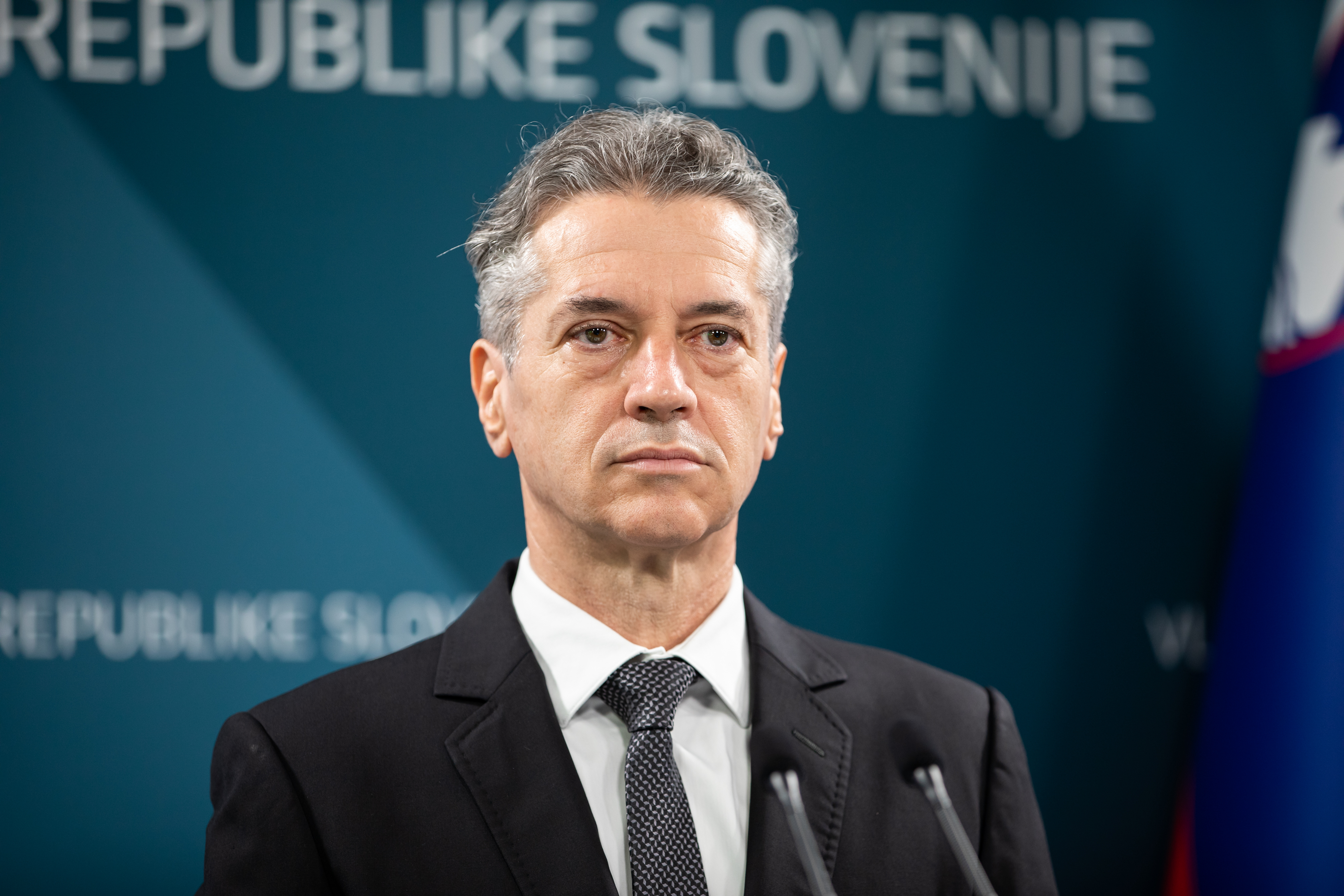
Prime Minister Robert Golob also warned that the government is evaluating new measures, including the possible restriction of fuel sales to foreign citizens. In this regard, he asked operators in the sector to prepare for the possible implementation of this type of provision
. The
supply difficulties have been especially concentrated on the network of the energy company Petrol, which was criticized by the head of government. However, the company assured that it is making every effort to maintain a stable supply at all its stations
.
As part of the package of measures, the government decided to release up to 30 million liters of diesel from strategic reserves and temporarily ban its export, in order to ensure availability in the domestic market. These actions seek to cushion the impact of the global energy crisis, which has worsened in recent weeks
. The Prime Minister of Slovenia assured that he is considering restricting the purchase of fuel to foreigners
In addition, the suspension of price regulation was ordered at stations located on highways and highways since March 20. The measure aims to reduce the pressure generated by international traffic at these points and to redistribute logistics capacity to other areas of the country, including the most remote regions
.
At the fiscal level, the Executive announced a further reduction in excise taxes on fuels to contain the rise in prices for the next 14 days. Without this intervention, the price of diesel and heating fuel would have increased by around 26 cents per liter, and that of gasoline by about 18 cents. With the tax cut, the increase will be approximately 12 cents in the case of diesel and lower in the case of
gasoline.
The package of measures reflects the Slovenian government's attempt to stabilize supply, contain prices and manage demand in the midst of a complex international energy situation.
The Slovenian government deployed the armed forces to ensure the correct supply of fuel at service stations