Financial entities are considering reducing or ending operations on the island due to fears of measures related to the military conglomerate that controls a large part of the Cuban economy.
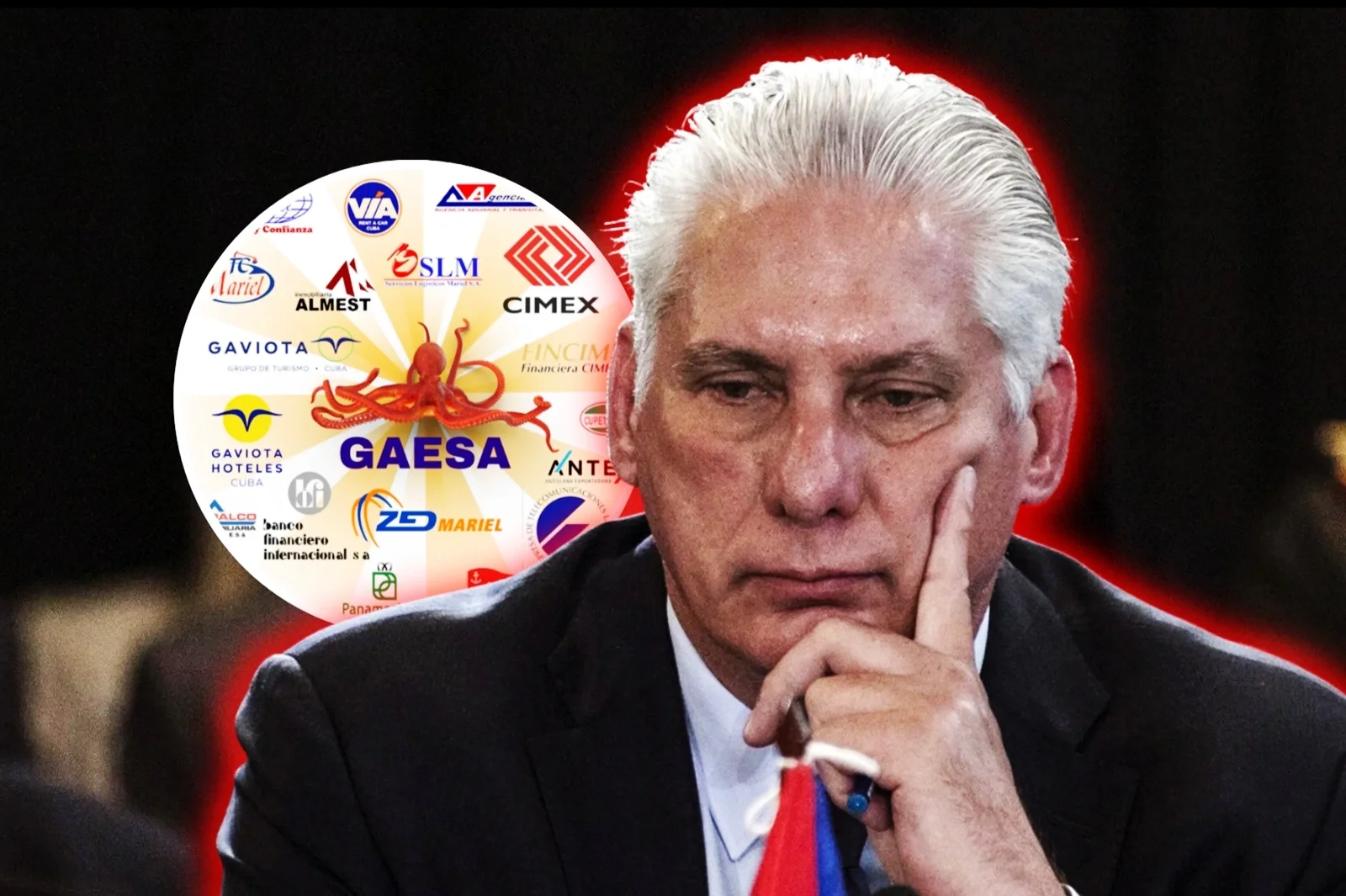
Diverse Spanish banks are preparing a gradual withdrawal from Cuba due to the growing risk of secondary sanctions from the United States against companies and entities linked to the military conglomerate GAESA, one of the most powerful economic structures of the Cuban regime.
According to various reports, financial entities are watching with concern the tightening of U.S. policy towards Havana and the increase in restrictions aimed at organizations controlled by the Cuban Armed Forces. GAESA, historically led by figures close to the political power of the island, manages strategic sectors such as tourism, ports, foreign trade, infrastructure, and financial services.
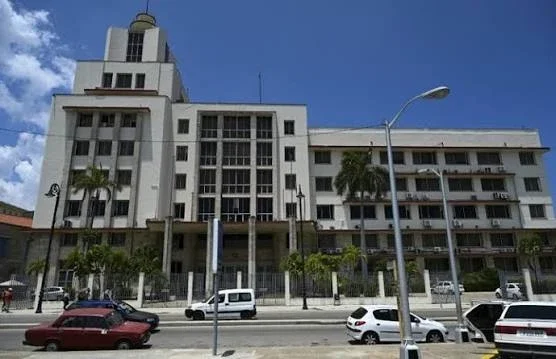
The headquarters of GAESA in Havana
The possibility of new sanctions raises concerns among banks and foreign investors because many economic operations within Cuba end up having some level of connection with companies controlled by the military conglomerate. This could expose international companies to financial restrictions or difficulties in operating within the U.S. banking system.
The movement occurs amid a deep economic crisis in Cuba. The island faces prolonged blackouts, fuel shortages, supply issues, and a sharp decline in productive activity. Additionally, the deterioration of energy infrastructure and the reduction of income from tourism have worsened the situation in recent years.
A potential exit of European banks could further complicate access to international financing and increase difficulties in conducting commercial operations from the Cuban regime. It could also affect foreign investments that rely on international financial services to operate.
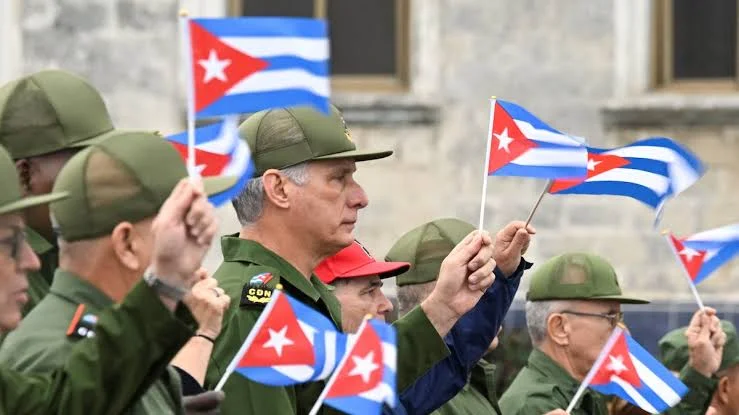
The Cuban dictator Miguel Díaz-Canel
From Washington, various political sectors have been calling for greater measures against economic structures controlled by the Cuban Armed Forces, arguing that a large part of the country's strategic resources remain under military administration. Meanwhile, Cuban opposition organizations argue that any process of economic opening should be accompanied by broader political and institutional reforms.
In the meantime, Cuban authorities continue to seek agreements with foreign partners to sustain economic activity and address the energy and financial crisis facing the country. However, uncertainty over possible new sanctions and the withdrawal of international financial actors could pose a new challenge for an economy that is already experiencing one of the most complex moments in recent decades.