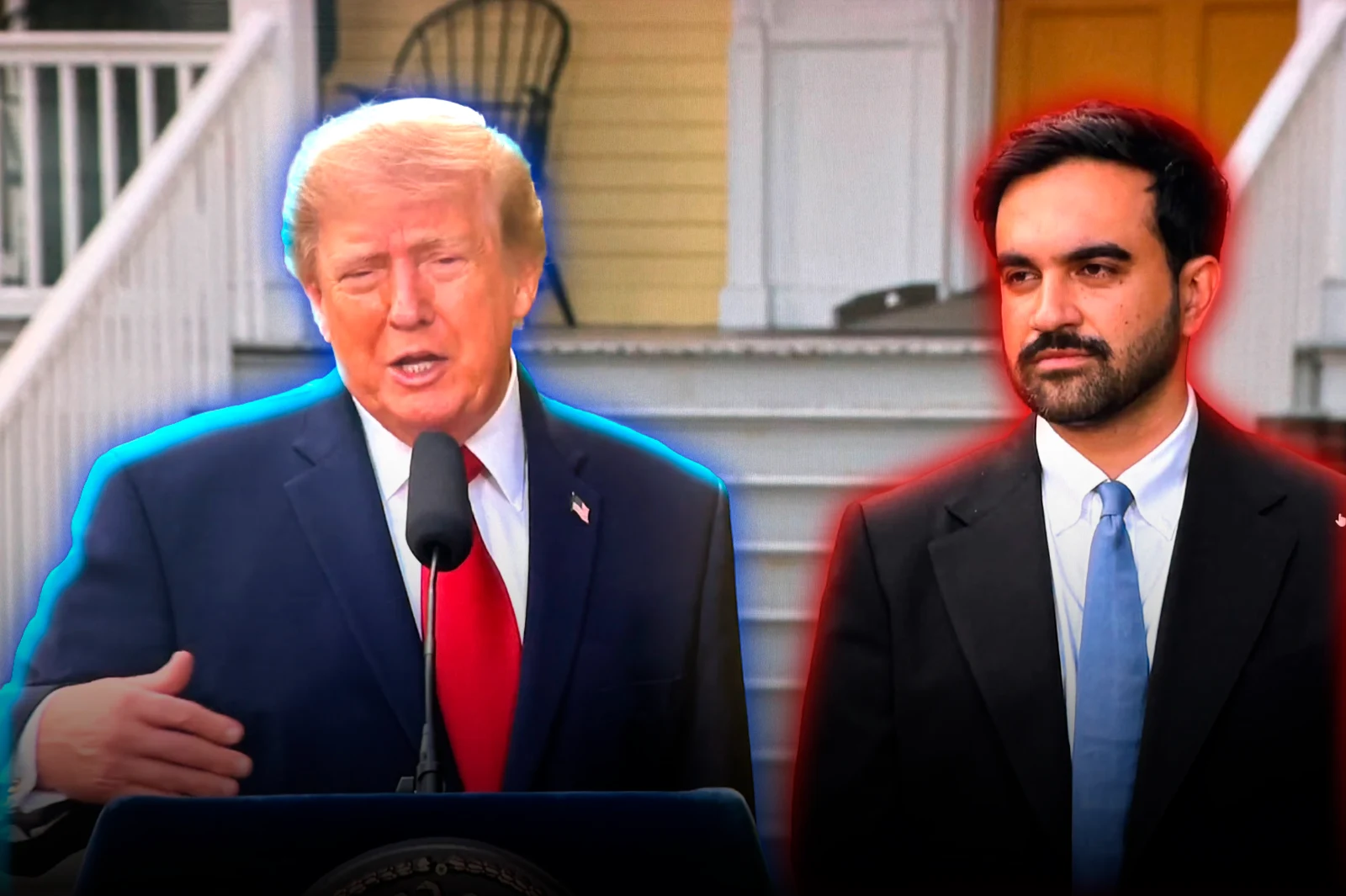
The United States government confirmed that it has already allocated 25 billion dollars to the war against Iran. The figure was presented to Congress as part of a clear strategy: to prevent the regime from moving towards the development of nuclear weapons.
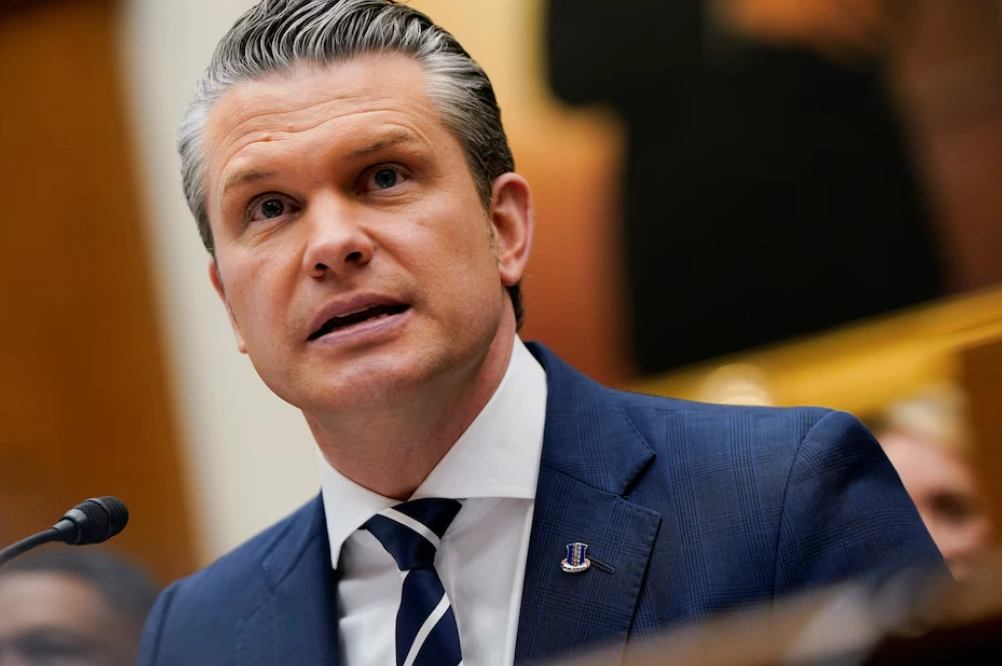
The Secretary of Defense, Pete Hegseth, strongly defended the policy promoted by Donald Trump.
An expenditure focused on defense and deterrence The Pentagon explained that the investment focused on
:
Replenishment of strategic munitions
Naval operations in
the Middle East
Maintenance of deployed forces Replacement of
military equipment
The objective is to sustain
operational capacity in
a high-tension scenario.
“It's not an eternal war,”
Hegseth was clear to lawmakers.
He assured that the conflict does not seek to continue indefinitely.
But he warned that firm action is needed to avoid a greater risk.
The priority is to prevent Iran from achieving nuclear capacity.
Record budget to strengthen defense During the
hearing, the Pentagon requested a budget of 1.5 trillion dollars
for 2027.
The plan includes:
Expansion of military drones
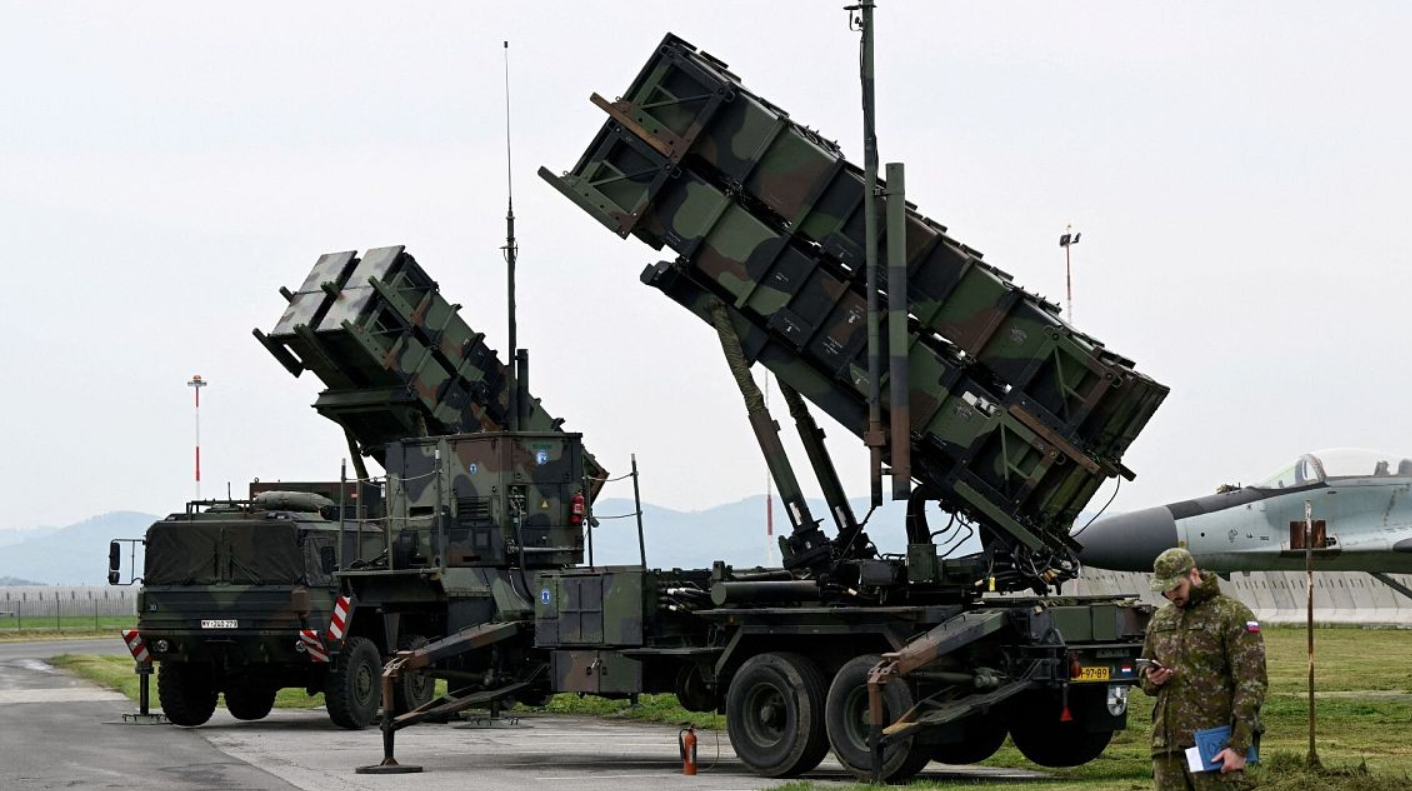
Development of anti-missile systems
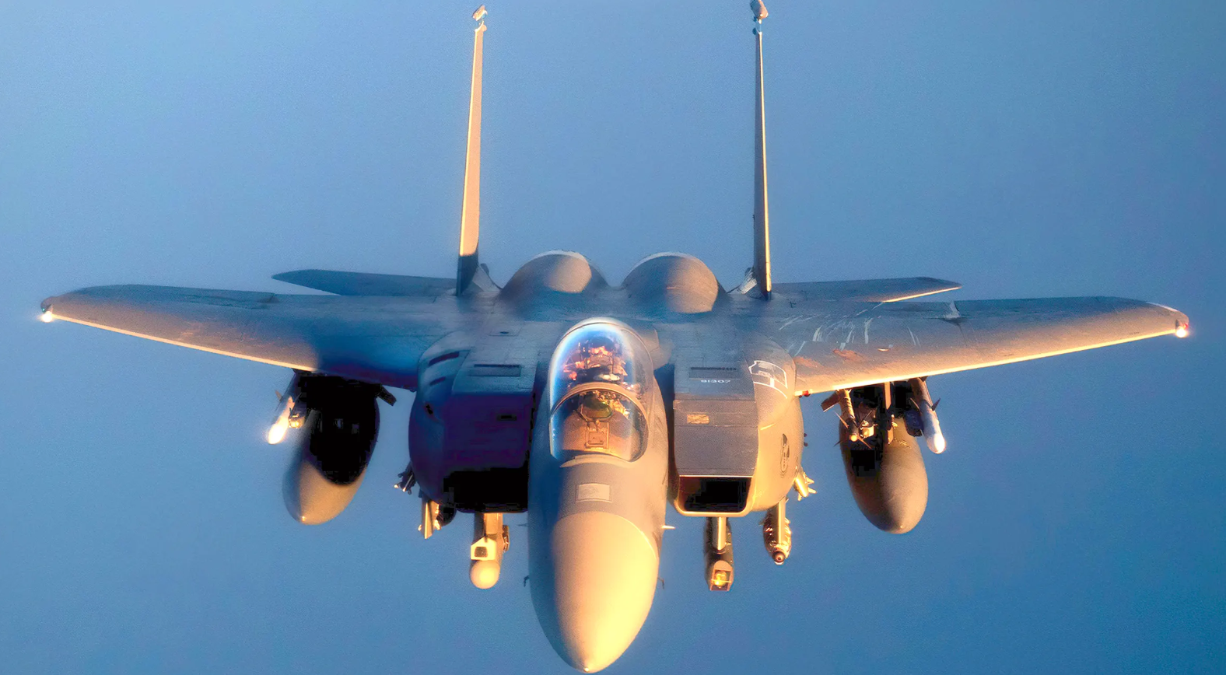
Reinforcement of the naval fleet
Investment in advanced technology
The strategy aims to address global threats in a comprehensive manner
.
Support for the maximum pressure strategy
The Trump administration maintains a policy of direct pressure on Tehran
.
It includes sanctions, naval blockade and military presence in the region.
The current deployment involves aircraft carriers and forces on multiple fronts.
Political criticism and strong response During the
session, democratic sectors questioned the approach
.
They raised questions about the cost and the strategy.
Hegseth answered harshly.
He noted that criticism weakens the effort at a key time.
A conflict with a global impact
The war is already affecting international markets.
The price of oil remains high because of the situation in the Strait of Hormuz.
This reflects the strategic importance of the conflict.
Global security as a central axis
From Washington, they argue that investment is necessary
.
The objective is not just military.
It also seeks to ensure international stability and security.
A strategic decision
The spending of 25 billion is part of a broader policy
.
The United States seeks to avoid higher-risk scenarios.
And consolidate its leadership in the face of global threats.
The Trump administration is betting on a strong stance.
And he believes that the current cost is lower in the face of the consequences of a nuclear Iran.