The United Arab Emirates (UAE) is urging the United States to forcibly reopen the strategic Strait of Hormuz and has offered to collaborate in any military operation that guarantee free navigation. The Gulf country is also seeking the approval of a resolution by the UN Security Council to support such action, while continuing to face Iranian attacks that threaten regional security and international
trade.
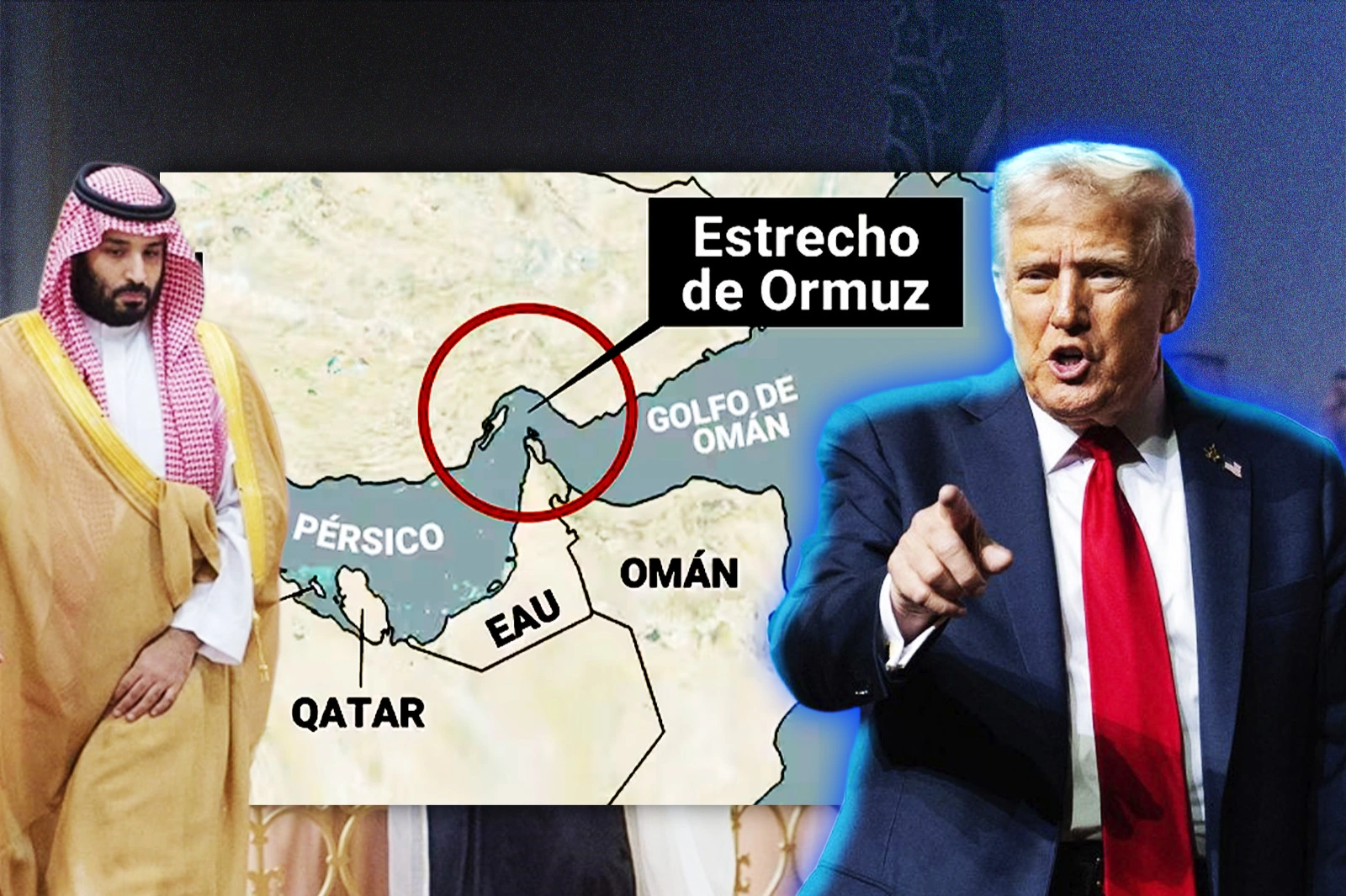
Emirati officials explained that they have asked the United States, together with unspecified European and Asian military forces, to form a coalition to ensure safe transit through Hormuz. In addition, the UAE is evaluating what military contributions it could offer to help break Iranian control over the strait. Among the proposals discussed is the occupation by the United States of islands under Iranian control, including Abu Musa, claimed by Abu Dhabi
.
The Strait of Hormuz is vital to the world economy, as approximately one-fifth of the global oil and liquefied natural gas circulates through it. Iranian aggression in the region has heightened tension: during the joint military campaign of the United States and Israel, several Gulf countries, which host American bases, were attacked by Iran. These incidents show Tehran's willingness to use strategic maritime routes as a tool for geopolitical pressure, putting regional security and global energy stability at risk
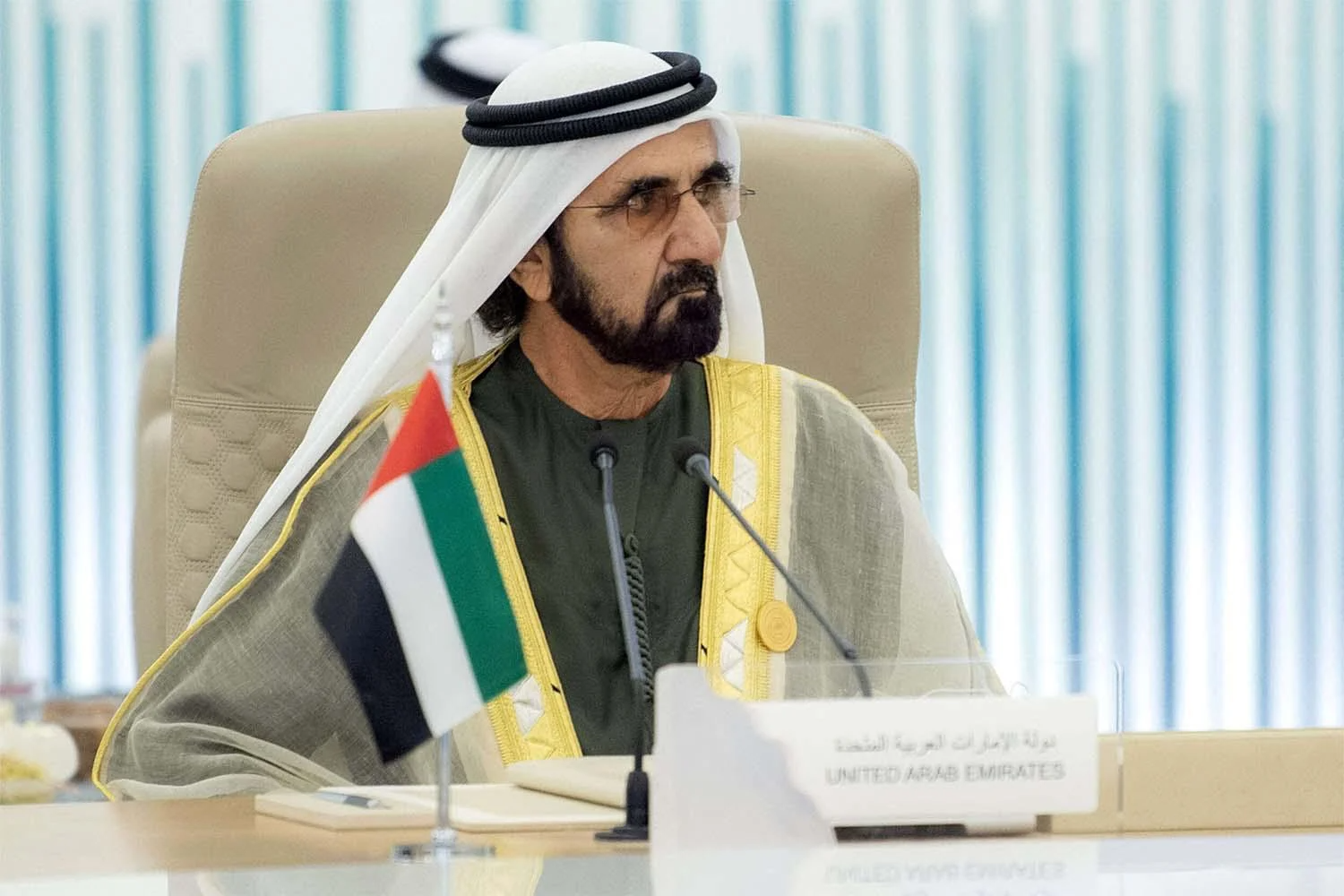
. The leadership of the United Arab Emirates has offered their help to the United States to release the blockade of the Strait of Hormuz
Allied Gulf countries consider that the current situation offers a historic opportunity to weaken the Iranian clerical regime and bring about significant changes in its leadership or behavior. Saudi Arabia, the United Arab Emirates, Kuwait and Bahrain have agreed that any military operation should not end until substantial transformations are observed in
Iran's behavior.
The recent Iranian attacks confirm the threat posed by Tehran. Earlier this week, drones hit fuel tanks at Kuwait's international airport, causing a major fire. In Bahrain, a fire was reported at an industrial facility attributed to an Iranian attack, while an oil tanker near Doha, Qatar, suffered damage to its hull by an unidentified projectile, although the crew was unharmed. These facts show the persistent Iranian aggression and its use of violence to pressure neighboring countries and affect maritime trade
. The
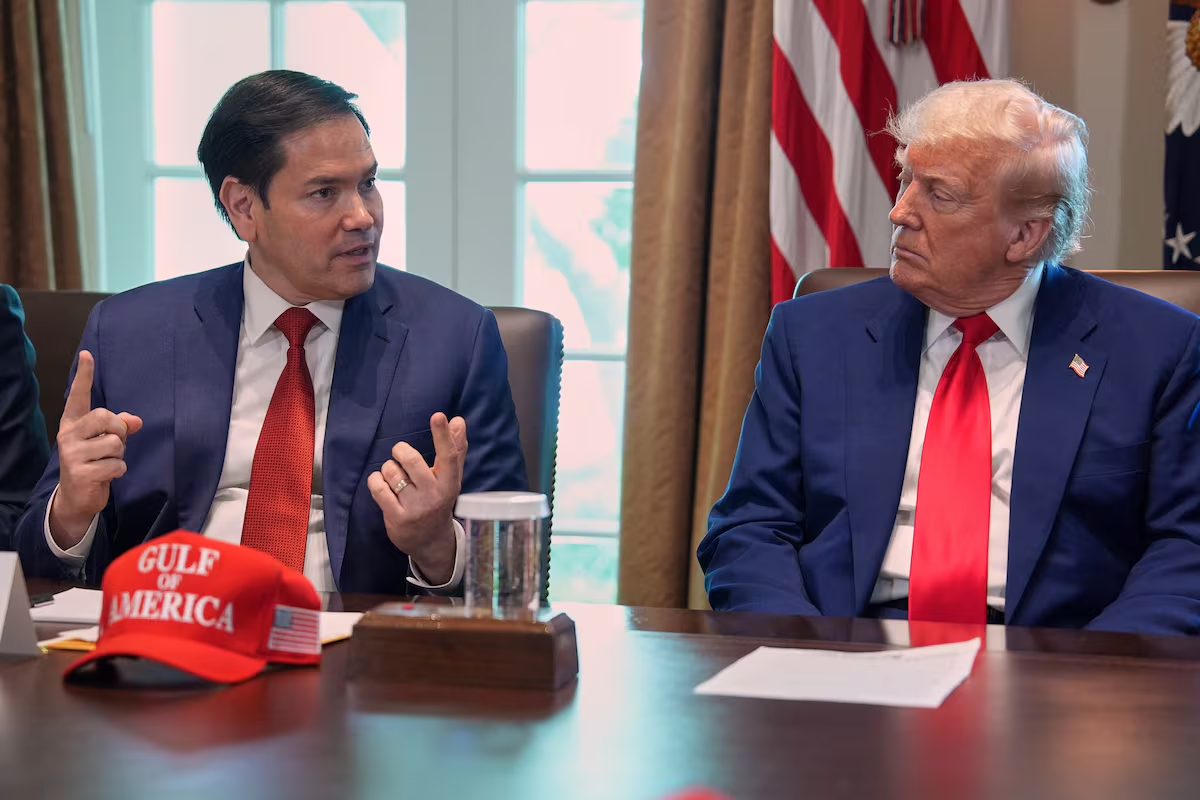
United States has reinforced its military presence in the region, sending marines for possible ground operations, including in the Strait of Hormuz. At the same time, Washington has indicated a willingness to maintain contacts with the Iranian leadership, although Iran has clarified that the current communications do not constitute formal negotiations. President Donald Trump and Secretary of State Marco Rubio said that the end of the conflict could be near, while maintaining pressure on behavior. aggressive from Tehran
.
Experts and allies have harshly criticized the Iranian strategy, stating that its actions seek to consolidate regional influence through coercive tactics such as the blockade of maritime trade and attacks on strategic infrastructures. In this context, the Emirates and other Gulf allies insist on the need to ensure that freedom of navigation in Hormuz is preserved, ensuring regional security and energy market stability
. Donald Trump and Marco Rubio said that the war with Iran will probably end very soon