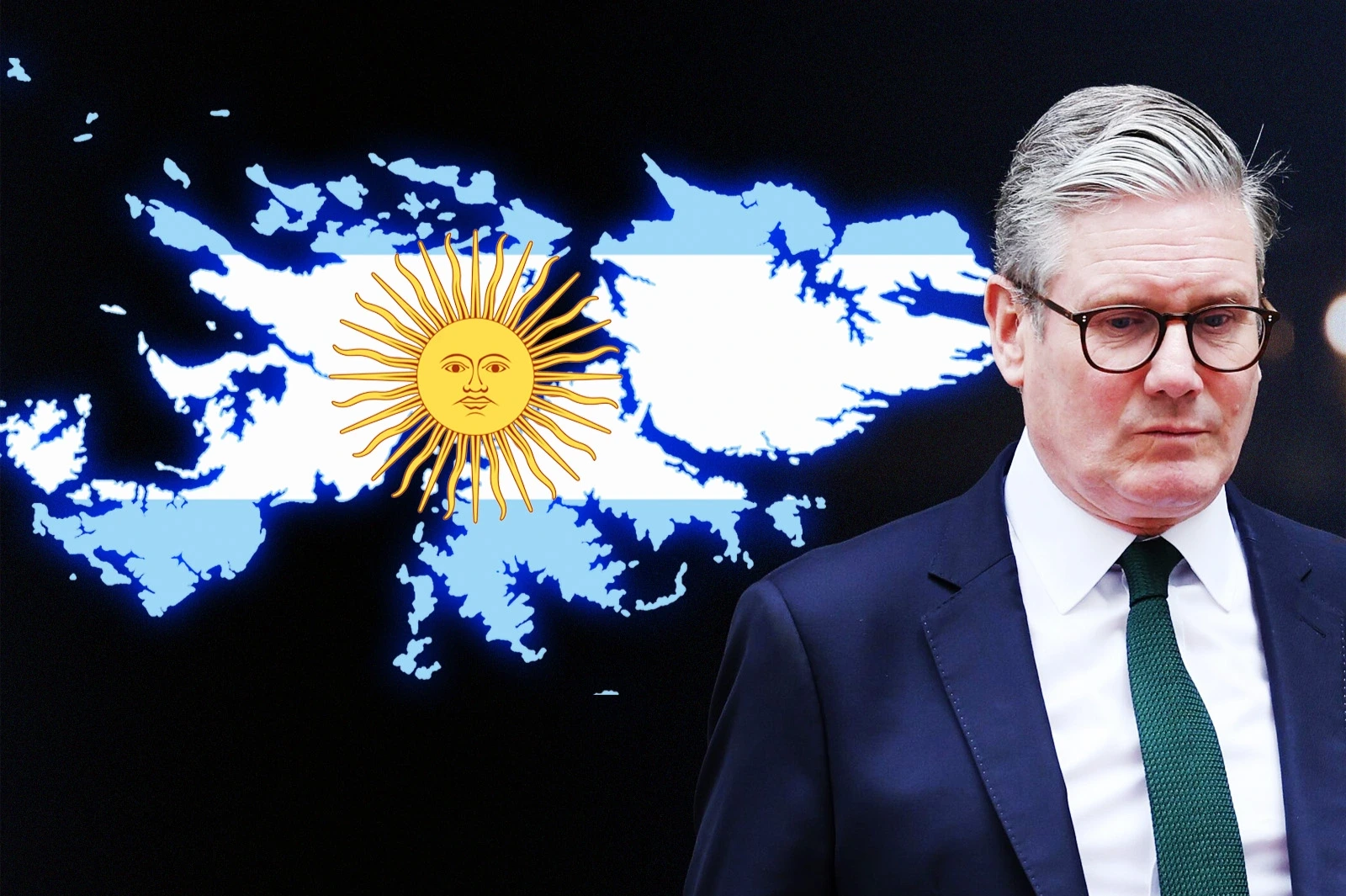
The Keir Starmen government once again closed the door to any instance of negotiation over the Falkland Islands, reaffirming that the sovereignty of the archipelago “belongs to the United Kingdom”. The statement, far from providing clarity, once again exposes the British refusal to comply with the calls of the international community to resolve a conflict that is still in force
.
London's response comes in a context of growing diplomatic pressure, after signs emerged of a possible change in the position of the United States regarding historic support for the United Kingdom in the dispute. This scenario reconfigures the international scene and reveals the isolation of the British position in the face of an Argentine claim that has legal and political support
. Presidents Javier Milei and Donald Trump
Since 1965, the UN has recognized the existence of a sovereignty dispute between Argentina and the United Kingdom and urges both parties to negotiate a peaceful solution. However, the British government remains firm in its rejection of dialogue, maintaining control over the islands that responds to a colonial logic incompatible with current international principles
.
Argentina, for its part, maintains a legitimate claim based on its territorial integrity and on the unfinished process of decolonization. The British occupation of the islands, which began in the 19th century, constitutes a clear case of colonialism that persists in the 21st century, in contradiction with international law
.
The argument of the United Kingdom based on the self-determination of the inhabitants of the islands is rejected by international doctrine in this specific case, since the population was implanted after the occupation and does not constitute an original people subject to that principle.
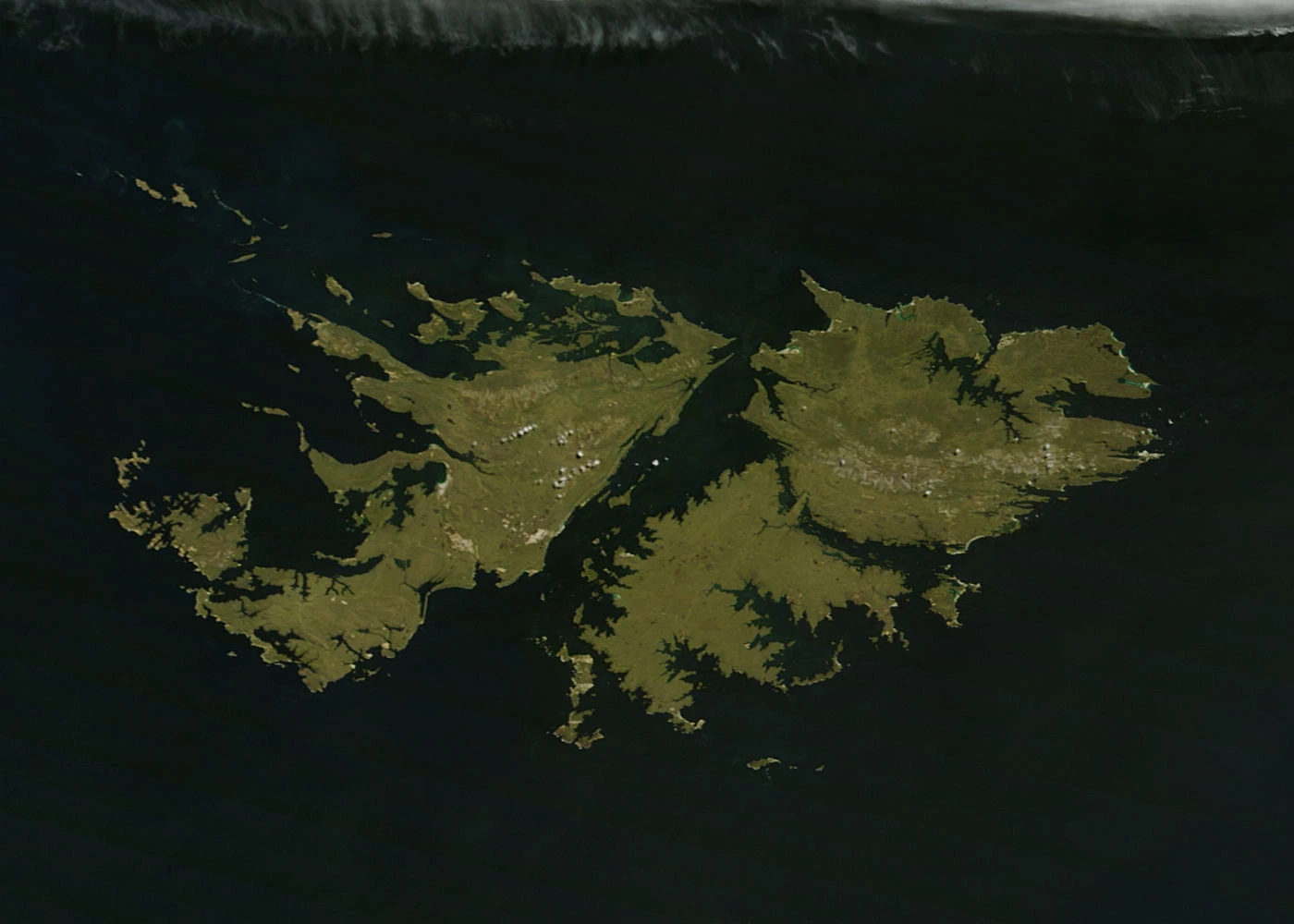
The Falkland Islands
In this context, the British refusal to negotiate not only prolongs the conflict, but also reinforces an increasingly questioned position at the global level. The possibility of key actors reviewing their position in the face of this dispute marks a turning point that weakens historic support for London
.
More than four decades after the armed conflict, the Malvinas question remains an outstanding debt on the international agenda. While the United Kingdom insists on maintaining a colonial situation, the Argentine claim is consolidated as a legitimate cause that requires a solution based on dialogue, law and historical justice